



US tech stocks fell sharply on Thursday as the Nasdaq Composite dropped 2.6 percent, marking its steepest decline since early June. The sell-off was driven by growing investor anxiety over the sustainability of enormous capital expenditures in artificial intelligence. The broader S&P 500 also slid 1.21 percent, reflecting a widespread retreat from high-growth technology shares.
Nasdaq Composite and Magnificent 7 losses
The Nasdaq Composite, which holds a heavy concentration of technology firms, recorded its worst single-day performance since tumbling 4.2 percent on June 5. The benchmark index is now approximately 5.8 percent below its all-time high reached on October 6. The decline was broad-based, affecting nearly every major player in the sector.
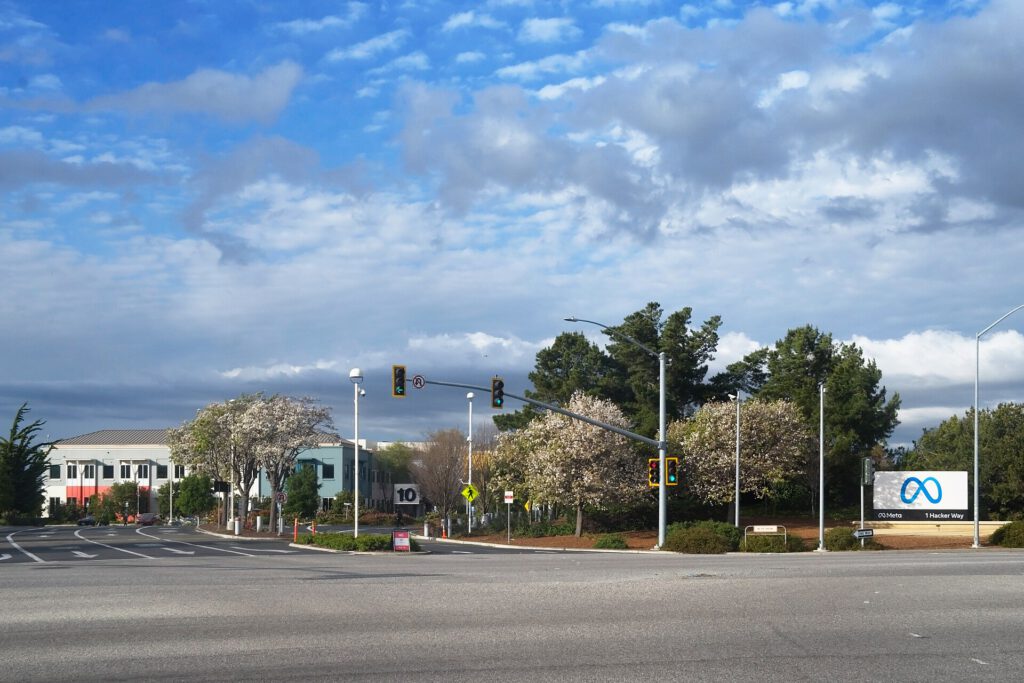
Apple was the only member of the “Magnificent 7” to avoid substantial losses. The other six companies, which collectively account for more than one-third of the total market capitalization, saw significant declines. Meta Platforms dropped nearly 7 percent after reporting that it would raise its projected capital spending for the year to between $135 billion and $145 billion. The company also reported that net profit fell short of analyst expectations.
Alphabet and Tesla each fell 3.1 percent, while Microsoft declined 2.2 percent. The weakness extended to semiconductor manufacturers, with Intel and Advanced Micro Devices both dropping about 8 percent. Broadcom slid 4.3 percent as traders reassessed the valuation of companies building the infrastructure for AI.
Oil prices and global market impact
External pressures compounded the negative sentiment in US markets. Brent crude futures rose 4 percent on Thursday, pushing the international benchmark above $114.20 a barrel. This is the highest level since May and reflects the ongoing economic fallout from the US-Israel war on Iran. Rising energy costs have added to the downbeat mood among investors.
The turmoil on Wall Street spilled over into Asian markets on Friday. Japan’s Nikkei 225 fell more than 2 percent in morning trading before recovering some ground. South Korea’s KOSPI dropped as much as 3.5 percent. Major stock markets across the region opened lower following the losses in the United States.
The debate over whether the current level of AI investment represents a sustainable growth driver or a speculative bubble has intensified. Global AI investment is forecast to reach $2.7 trillion in 2026 and $3.6 trillion in 2027, according to technology insights company Gartner. While some Wall Street analysts view these datacenter and graphics processing unit expenditures as unsustainable, others argue that AI will revolutionize society to a degree that justifies the costs.
Jay Goldberg, a senior analyst at Seaport Research Partners in San Francisco, suggested that the market swings were driven more by psychology than by changes in corporate fundamentals. “In short, nothing has changed. Investors have just decided to be afraid this week,” Goldberg told Al Jazeera. He noted that the shift in market direction was driven much more by investor sentiment than by any tangible reason.
Source: Al Jazeera
