


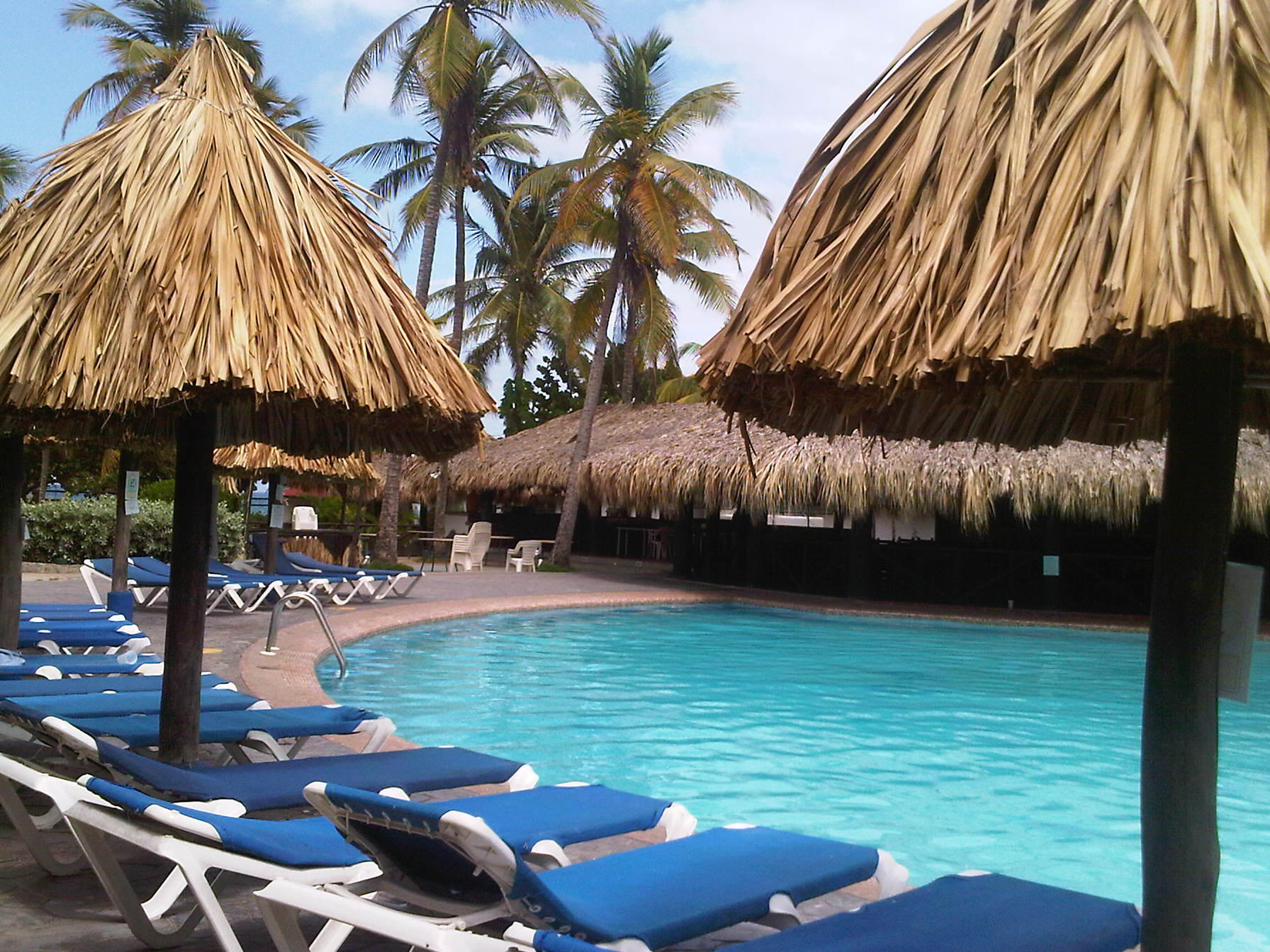
Adriana Cisneros sees a path for Venezuela to develop a unique, conservation-focused tourism sector before major international hotel chains enter the market. Her vision involves creating a network of high-end tented camps connected by small aircraft and boats, offering access to remote natural environments. This approach aims to bypass the need for extensive road and airport infrastructure that has deteriorated over decades of political and economic instability.
A Different Model for High-End Travel
Cisneros, whose family group holds interests in media, real estate, and hospitality, estimates it could be eight years before global luxury brands like Four Seasons, Rosewood, or Capella establish a presence in Venezuela. Rather than waiting for these conventional developments, she proposes a more immediate alternative. The plan centers on four or five base camps designed for ultra-high-end travelers, utilizing aircraft such as Cessna Caravans and Pilatus PC-12s to reach isolated areas.
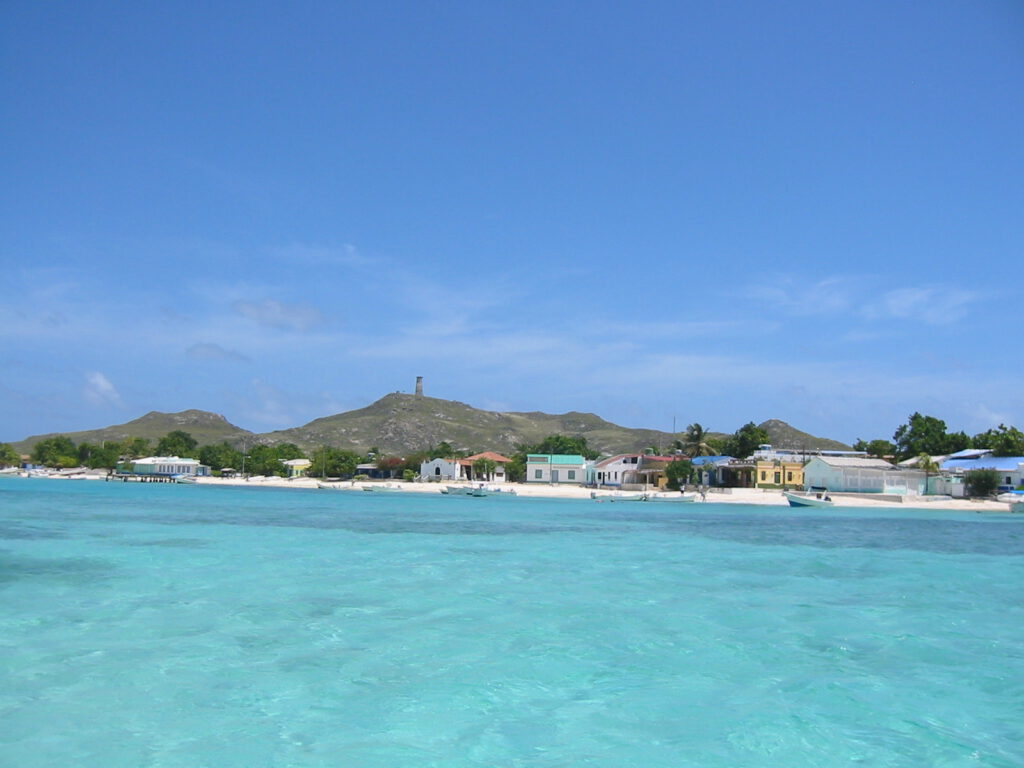
This strategy relies on the country’s remarkable natural landscapes, including the Los Roques archipelago, rather than traditional urban luxury amenities. Cisneros points to her Tropicalia project in the Dominican Republic, where a forthcoming Four Seasons is part of a conservation-focused development, as a model for this approach. She believes this method allows for a distinctive tourism experience that prioritizes environmental preservation over conventional resort infrastructure.
Significant Obstacles Remain
The proposal faces substantial hurdles. Venezuela’s political transition remains unresolved, with no confirmed election timetable. The U.S. State Department advises Americans to reconsider travel to the country and applies its highest warning level to several regions, including parts of the Amazon that are central to Cisneros’s concept. Reliable electricity, water supply, healthcare, and emergency response services cannot be assumed in these remote locations.
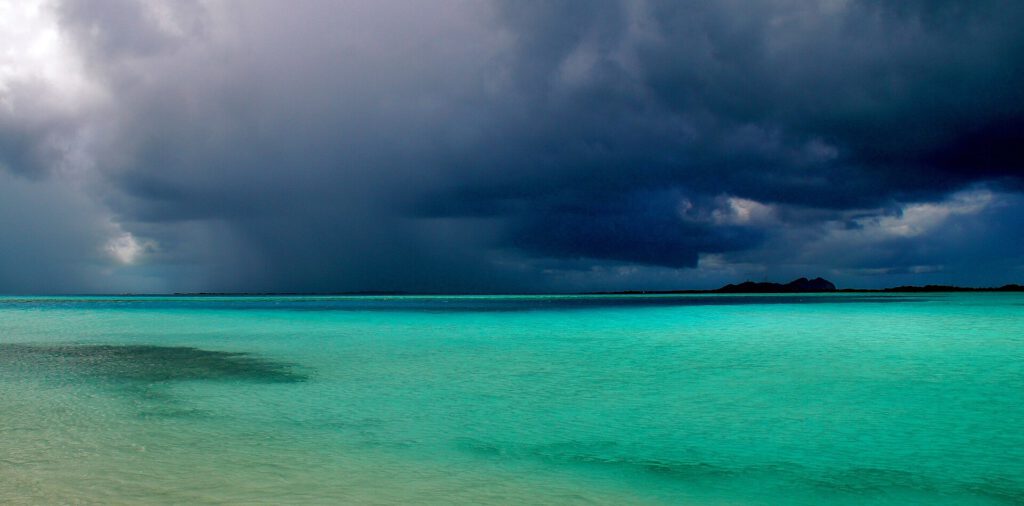
Security risks and deteriorating infrastructure further complicate the outlook. Cisneros anticipates that risk-averse wealthy travelers may require another two or three years to feel comfortable visiting. Despite these challenges, the country is not starting from zero. Independent operators, family-owned posadas, and lodges such as Waku Lodge and Campamento Ucaima have maintained a presence in the tourism sector through years of underinvestment.
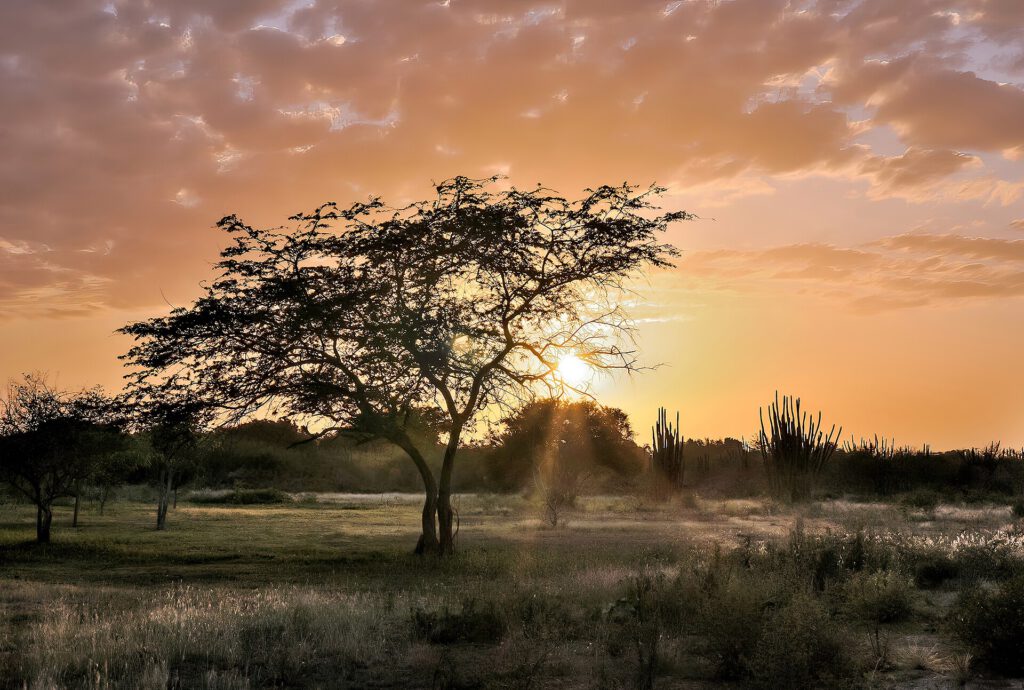
The success of this vision depends heavily on political stability, security conditions, and the decisions made by Venezuela’s tourism leadership. While the concept offers a potential alternative to traditional luxury travel, the path to realizing it remains uncertain given the current geopolitical and economic landscape.
Source: Skift
