


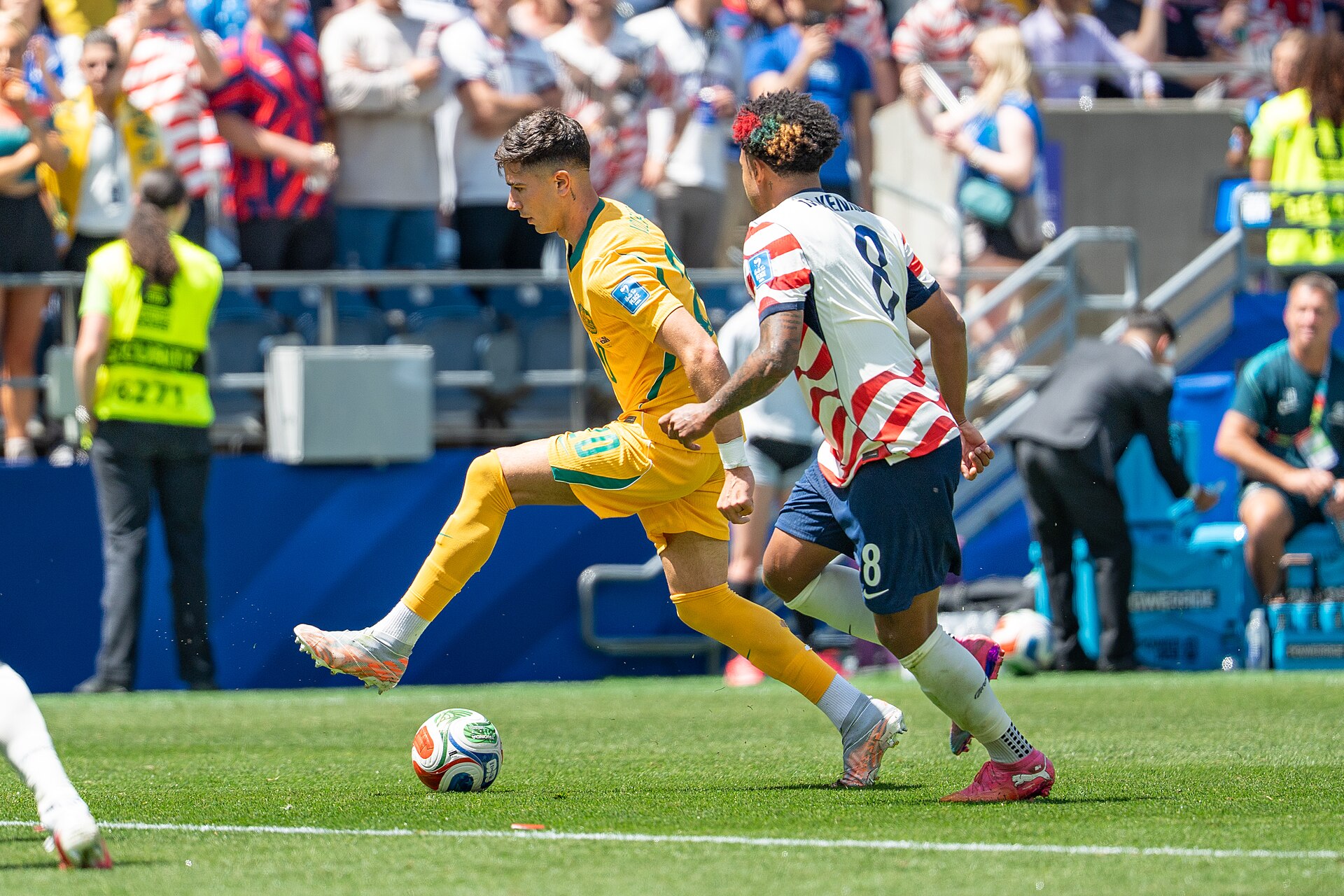
Cristian Volpato, the 22-year-old footballer for Italian Serie A club Sassuolo, has become the latest professional athlete to license his artificial intelligence likeness. The deal, struck in mid-September with the California-based firm Callandor, grants the company exclusive rights to Volpato’s digital image, voice, biometric profiles, and performance data.
The agreement allows Callandor to monetize Volpato’s “synthetic twin” through brand partnerships and content creation. In return, the company will help restrict the use of his likeness to only those instances that have received his explicit approval. This move comes as bookmakers, broadcasters, and brands increasingly generate AI content using athletes’ images without permission.
Callandor and the Synthetic Twin Model
Michael Fisk, co-founder of Callandor, describes the technology as a “synthetic twin” that can operate around the clock. Unlike a human athlete who must sleep, train, or spend time with family, a digital clone can be deployed for brand placements 24/7, provided the content is approved.
Callandor, founded in February, currently represents a small roster of athletes, including Brazilian footballer Jorginho and American sailor Chris Poole. The company is in the pilot phase of its campaigns but is exploring opportunities beyond traditional advertising. Fisk, a former executive at Sony Pictures and MGM, envisions AI-generated voiceovers for foreign language editions of content and apps that offer fans one-on-one interactions with athletes.
One such concept involves an app that monitors a user’s football skills. A digital clone of Volpato could provide real-time instructions, such as advising a user on ball handling, an interaction the real player could never facilitate individually.
Legal and Industry Context
Volpato’s deal highlights a growing tension between rapid technological advancement and existing legal frameworks. While player contracts in major Australian sporting leagues currently lack specific provisions for AI, the industry is reacting to unauthorized uses. Earlier this month, the Australian Football League instructed its gambling partner, Sportsbet, to cease using AI images of players without consent, following a complaint from the players’ union.
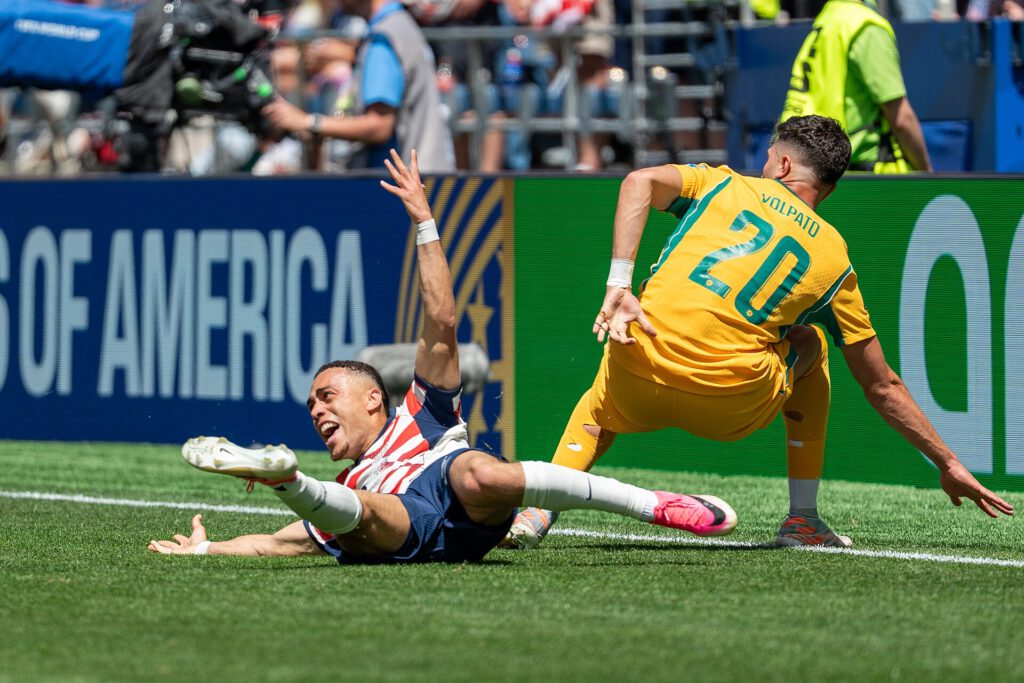
William Saunders, who leads the Sydney-based startup Hyperknown, argues that athletes must monetize their AI images before others exploit them. He notes that the next trust signal for content will not just be “made with AI,” but “made with this person’s permission.” This permission is becoming a new commercial requirement as AI makes content abundant.
Jonathan Harlen, an intellectual property law expert at Southern Cross University, describes the rise of AI brokers as the “obvious next step” in a global market. He notes that while copyright protects human-authored works, the legal landscape for AI-generated content is complex. Celebrities have some protection under “passing off” laws, but these only apply if they can prove economic loss.
The issue has gained international attention. In the UK, a campaign led by top footballers including Cole Palmer and Lucy Bronze, backed by the global player union Fifpro, highlighted concerns about deepfakes. Meanwhile, an offshore casino previously used a deepfake video of Manchester United player Bruno Fernandes in advertising.
Despite the risks, some industry figures see value in controlled fan engagement. Fisk suggests that a heavy-handed crackdown on fan-created AI content could be counterproductive, provided it avoids sensitive topics like religion or drugs. As technology outpaces regulation, athletes like Volpato are taking proactive steps to define their digital presence.
Source: The Guardian
