


When you think of tangled wires, you likely imagine a frustrating mess that slows down your day. Kinks and knots in cables can indeed cause performance drops or physical damage. However, the twists found inside the ethernet cables that bring internet into your home serve a very different purpose. These internal twists are essential for delivering the strongest possible signal to your devices.
The History of Twisted Pair Cables
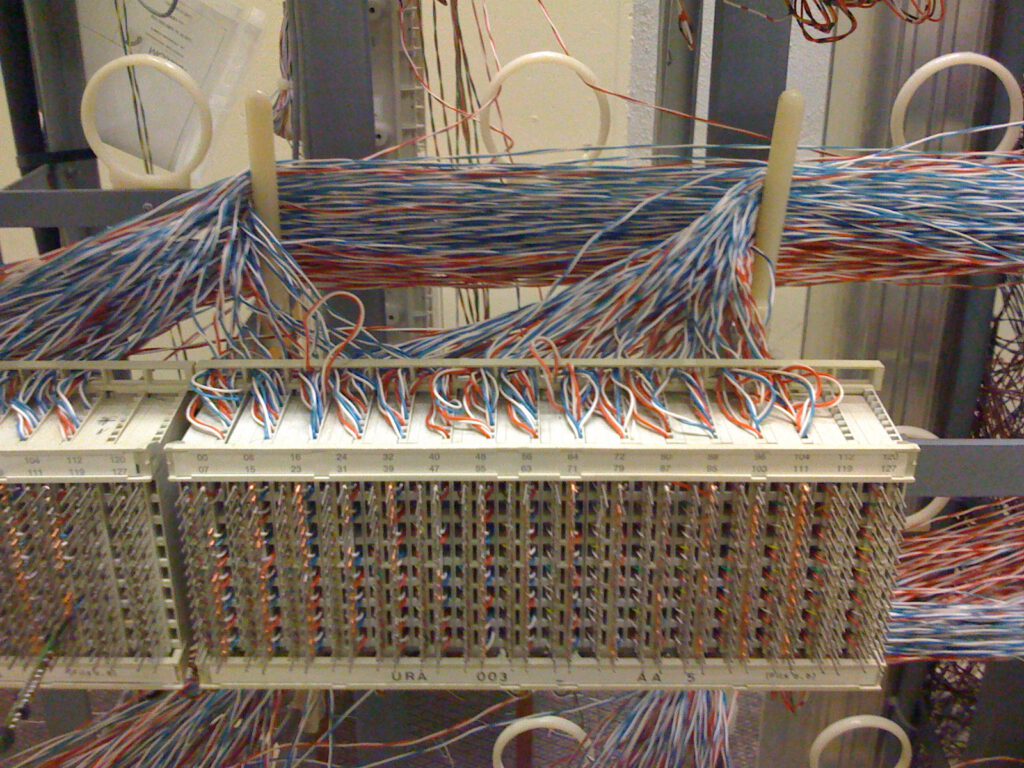
The concept of twisting wires together is not a modern invention. Alexander Graham Bell is credited with the idea, which dates back to the 1880s. Early telephone lines in the United States relied on this design to carry voice data over long distances. Decades later, this same principle became the industry standard for ethernet networking.
The benefit of this design comes down to basic electromagnetism. When electric charges move through a metal strand, they generate a magnetic field around the wire. If two wires sit parallel to each other, the magnetic field from one can disrupt the electricity in the other. This disruption slows down the signal. By twisting the wires together, the cable creates an opposing magnetic field that cancels out these disruptions. This allows electric signals to travel at their peak speeds.
Preventing Crosstalk in Modern Networks
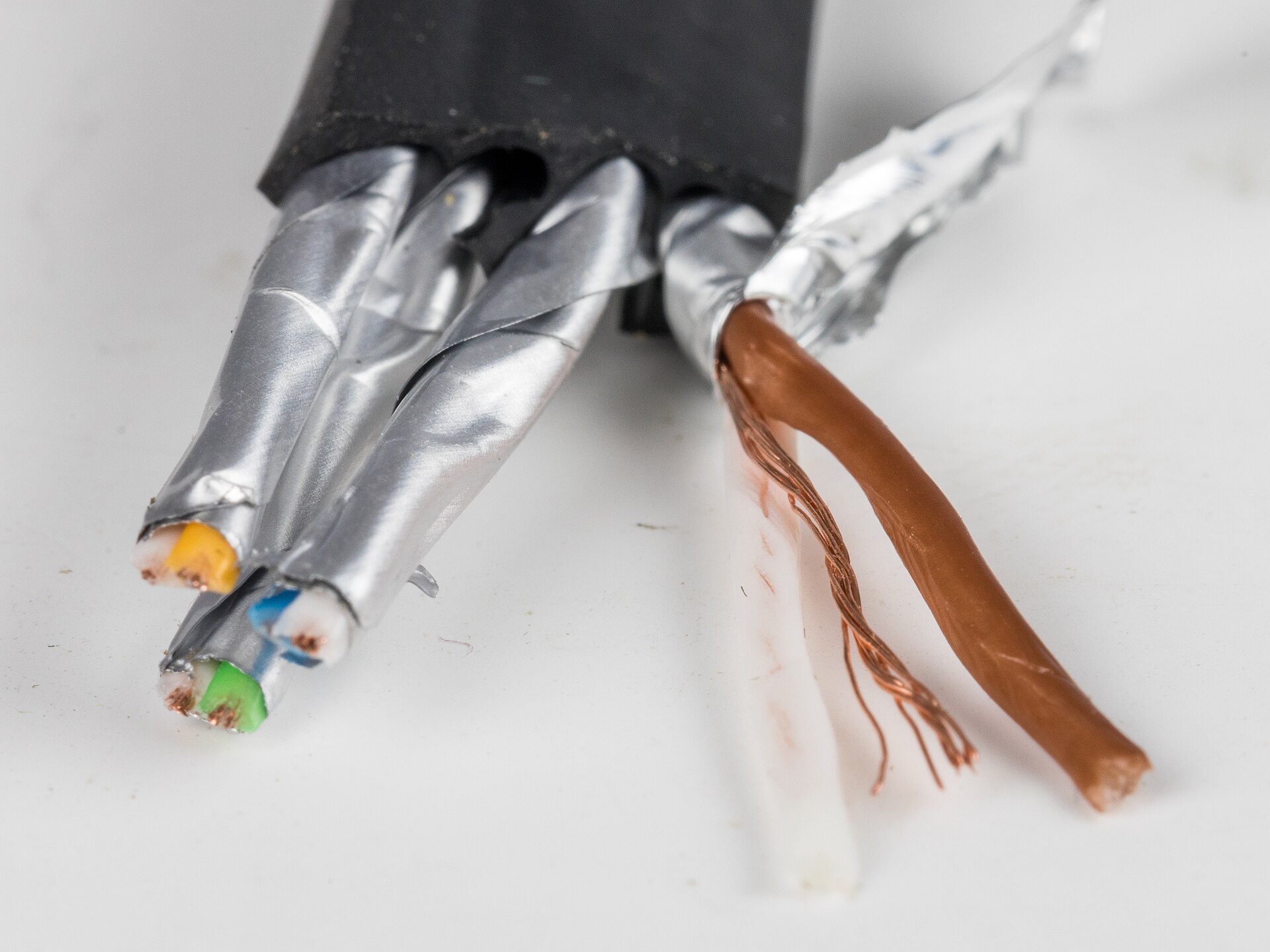
Most modern ethernet cables contain four pairs of copper wires. Depending on the data being transmitted, not all pairs may be active at once. For high-speed standards like gigabit internet, all four pairs work simultaneously. While a foil coating around the bundle helps block outside interference, the twisting is what stops the wires inside the same cable from interfering with each other.

This internal interference is known as crosstalk. To prevent it, each of the four pairs is twisted at a different rate. If every pair had the same twist density, the magnetic fields would still clash, creating new performance problems. Varying the twist rate ensures that the magnetic field from one pair does not cause issues for its neighbors.
You do not need to look for specific twisted pair cables when replacing lines at home, as this is the standard for almost all contemporary tech cables. The design is a quiet but critical component that keeps your connection stable and fast.
Source: Engadget
