


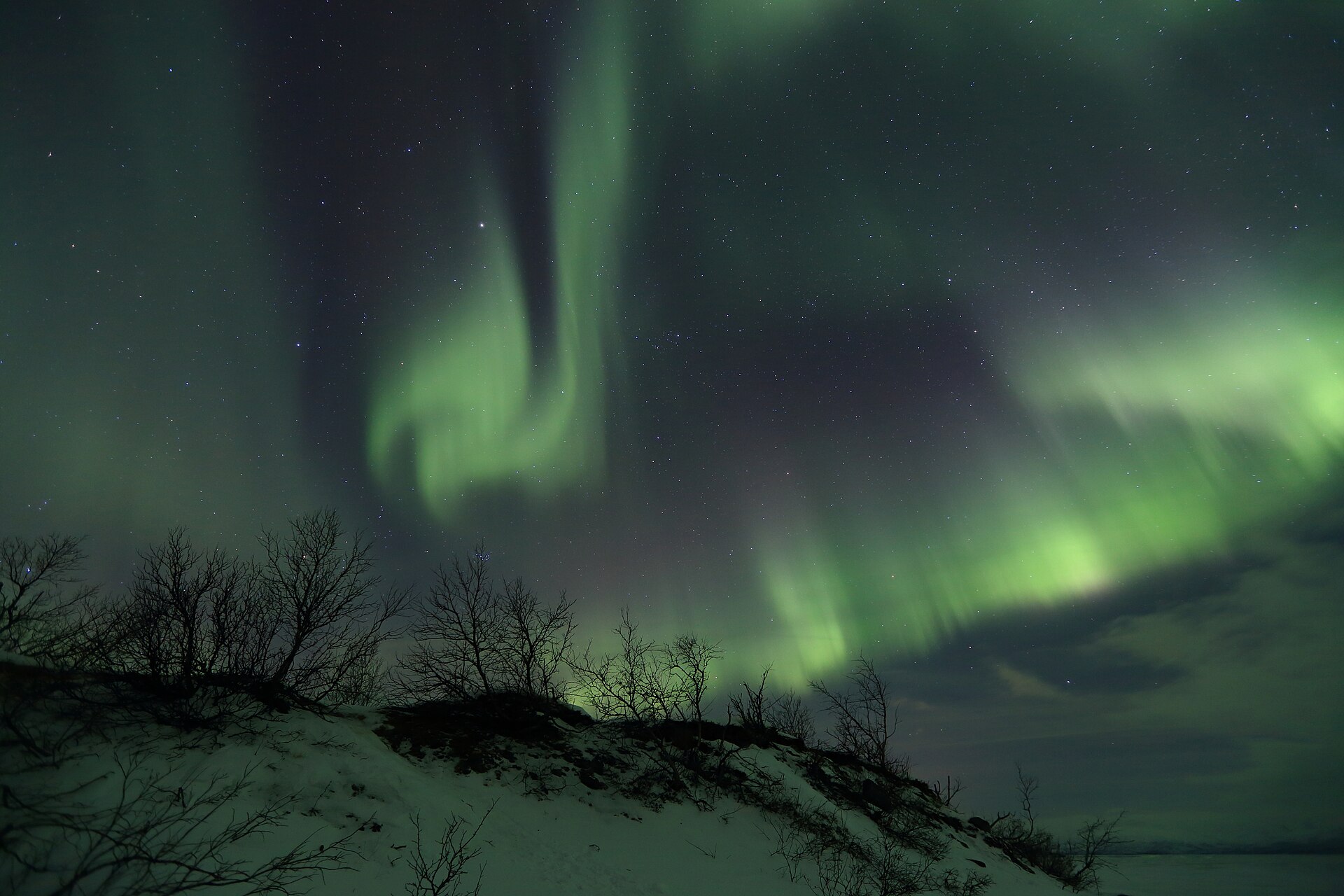
Visitors to Abisko in Swedish Lapland winter often report a surreal shift in their perception of time. With the sun remaining below the horizon for days, the conventional markers of morning, midday, and evening vanish. This phenomenon is particularly pronounced in Abisko, a small village in northern Sweden that has become a focal point for travelers seeking to experience the polar night.
The Abisko Blue Hole Microclimate
Abisko is situated in a unique geographical position that creates what locals call the “Abisko blue hole.” This microclimate results from the surrounding mountains and lakes, which frequently block cloud cover. According to travel reports, this clear sky condition makes the area one of the most reliable locations on Earth for viewing the aurora borealis.
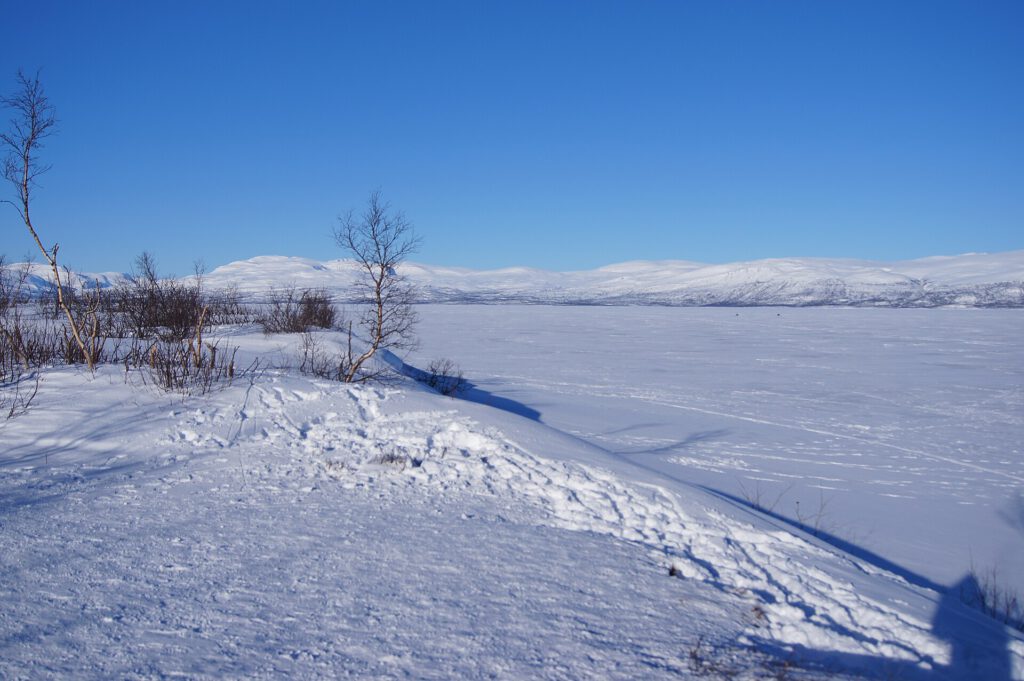
Travelers arriving by train at Abisko Ostra station often find themselves in a landscape of deep snow and low light. The station itself is minimal, featuring a single platform and a glass shelter. From there, the path to the Abisko Mountain Lodge winds through a white, misty environment where visibility can drop rapidly as daylight fades.
Navigating the Polar Night
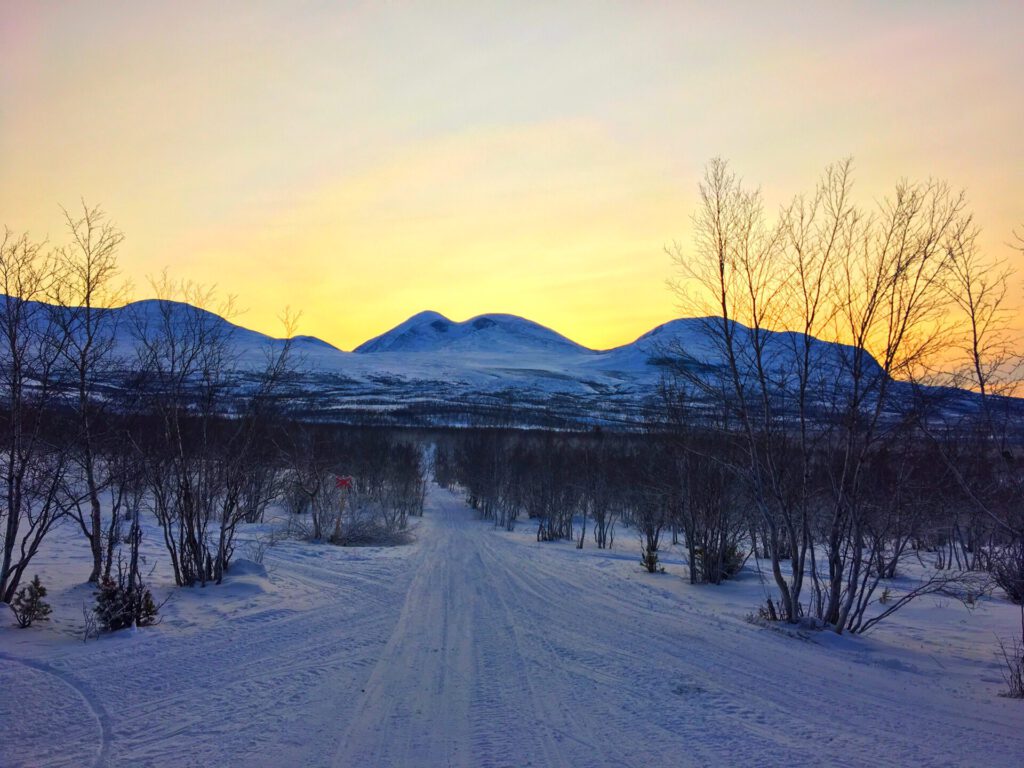
The lack of direct sunlight does not mean the sky is entirely dark. Instead, the horizon often glows with pink and orange hues for hours, creating a twilight that persists through what would normally be the middle of the day. This constant, dim light allows for extended periods of outdoor activity, such as hiking along the banks of Lake Torneträsk or walking through silver birch forests weighed down by snow.
Many visitors find that the absence of a strict day-night cycle offers a sense of freedom. Without the pressure of a setting sun, activities like sauna sessions, reading, or dining can extend naturally. The local infrastructure, including hotels and supermarkets, is designed to accommodate guests who may be staying for extended periods due to weather conditions or the desire to simply slow down.
Aurora Borealis and Local Culture
The primary draw for many is the northern lights. On clear nights, the sky above Abisko can display vibrant green curtains of light. When weather conditions prevent access to higher viewpoints like the Abisko Sky Station, guides often lead groups to lower outcrops near Lake Torneträsk. These alternative spots provide unobstructed views of the aurora and, during certain times of the year, meteor showers like the Geminids.
Local guides often share Sámi myths associated with the lights, such as the legend of a fox spirit running through the sky, its tail sweeping snow into the air. These stories add a cultural layer to the natural spectacle. Visitors are also advised to use forecasting apps like Aurora Buddy to track solar activity and cloud cover, increasing their chances of witnessing the phenomenon.
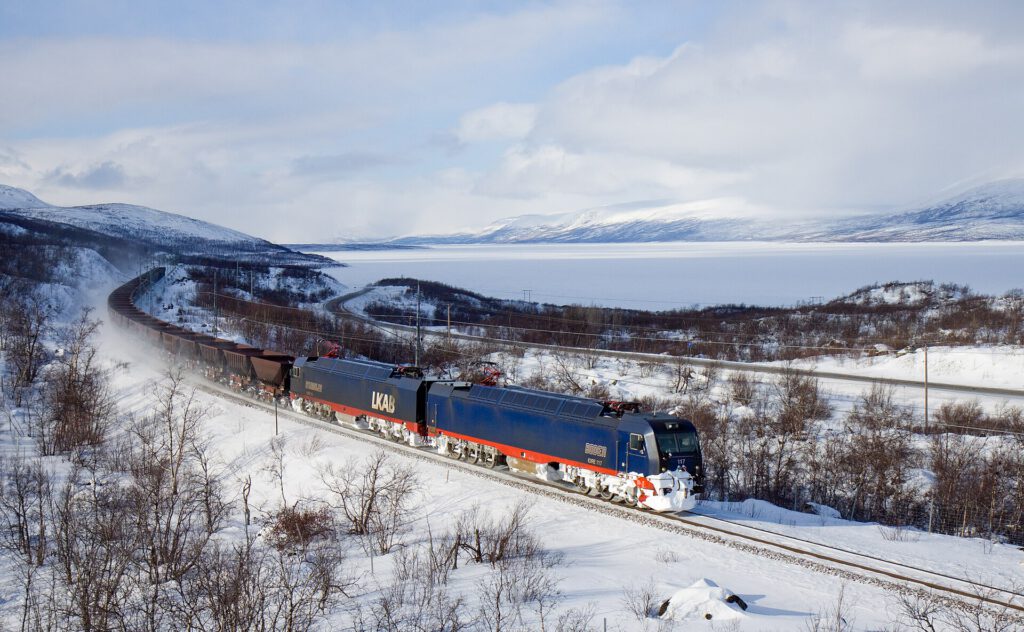
The experience in Abisko challenges the typical travel itinerary. Instead of rushing between sites, visitors often find themselves lingering in the cold, watching the sky, and adjusting their internal clocks to the rhythm of the Arctic winter. The result is a holiday that feels less like a checklist and more like a prolonged, immersive observation of the natural world.
Source: The Guardian
