


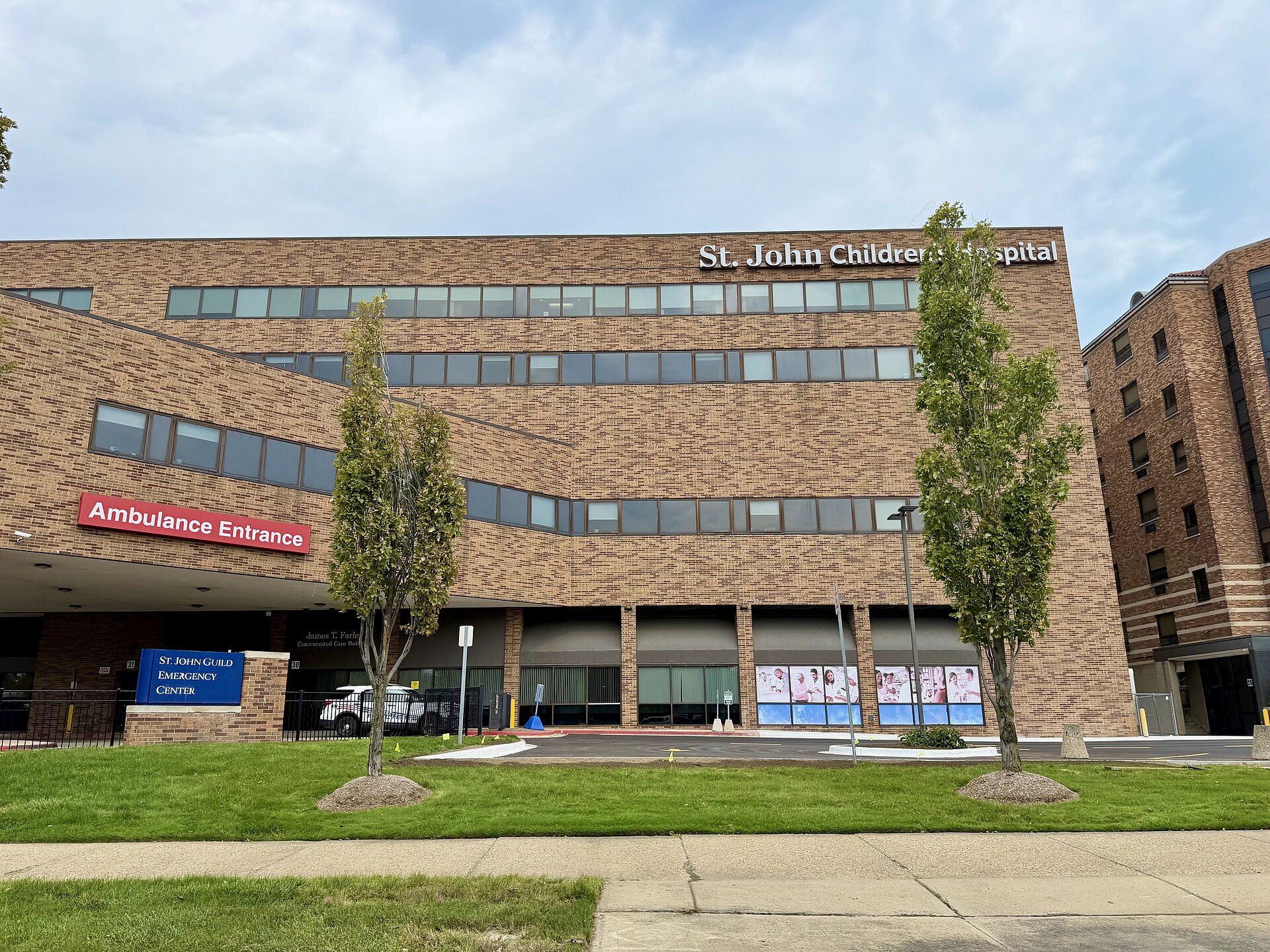
Maternity wards across the United States are closing at an accelerated pace as federal Medicaid funding reductions begin to impact hospital budgets. According to an analysis by the non-profit Protect Our Care, 52 maternity units have shut down since the HR1 bill was announced in July 2025. An additional eight facilities have announced they will permanently cease labor and delivery services.
The closures are driven by the impending full implementation of spending cuts scheduled for the new year. The legislation introduces stricter work requirements for Medicaid recipients and reduces federal financial support for state Medicaid programs. Hospitals that rely on these reimbursements to cover the high costs of obstetric care are facing immediate financial strain.
Protect Our Care Analysis Shows 52 Closures
The Protect Our Care report highlights that the financial pressure is already forcing difficult operational decisions. Hospitals such as Centra Southside Community Hospital in Virginia and St Mary’s Sacred Heart Hospital in rural Georgia have cited the upcoming federal policy changes as the primary reason for shutting down their maternity departments.
These closures are part of a broader trend affecting rural healthcare infrastructure. The non-profit March of Dimes has identified 31 rural hospitals with labor and delivery services that are at risk of closing. If these facilities shut their doors, 96 counties would be left without local access to specialized maternity care.
Erin Jones, senior director of legislative and strategic counsel at the March of Dimes, stated that the changes are worsening an existing crisis. She noted that reduced funding and restrictions on state financing will put additional pressure on hospitals, increasing the risk that communities lose essential services.
Impact on Rural Communities and Maternal Health
The loss of local maternity units forces patients to travel longer distances for care, which can be dangerous during emergencies. About 40% of births in the US are paid for by Medicaid. The country already has one of the highest maternal mortality rates among high-income nations, with 17.9 deaths per 100,000 live births according to the Centers for Disease Control and Prevention.
Benjamin Sommers, a professor of healthcare economics at the Harvard TH Chan School of Public Health, warned that the new law adds financial strain to providers and the insurance program. Although the legislation exempts pregnant women from new work requirements, Sommers said many women are not enrolled in the specific Medicaid pregnancy pathway. This means the state may not know a patient is pregnant, leading to a loss of coverage despite the exemption.

“It’s not true that this law in any way protects Medicaid for pregnant mothers, for low-income parents,” Sommers said. “It adds financial strain to the providers and the insurance program that they rely on.”
Vaishu Jawahar, director of policy and programs at Protect Our Care, explained that cutting Medicaid by a trillion dollars removes money directly from hospitals. She said these institutions are going into the red and are forced to close maternity wards because they are extremely expensive to operate.
Data Gaps Widen Health Disparities
Compounding the financial crisis is a significant loss of public health data. In early 2025, the Trump administration placed the entire team behind the CDC’s pregnancy risk assessment monitoring system on administrative leave. This system has collected data on women’s experiences before, during, and after pregnancy for over four decades.
An upcoming report by academics and former CDC staff states that these actions disrupted the collection of critical information on maternal and infant health. Rita Hamad, a professor at the Harvard TH Chan School of Public Health, said there are no other datasets like it. She warned that without this data, researchers cannot study recent trends in maternal health.
“We’re very worried that the cuts to US safety net policies or barriers that keep people able to access those programmes are going to have detrimental effects on maternal and infant health,” Hamad said. “I think we’re going to see those geographical and maternal disparities widening. Or we’re not going to see it because we don’t have the data, but that’s what is going to happen.”
Source: The Guardian
