


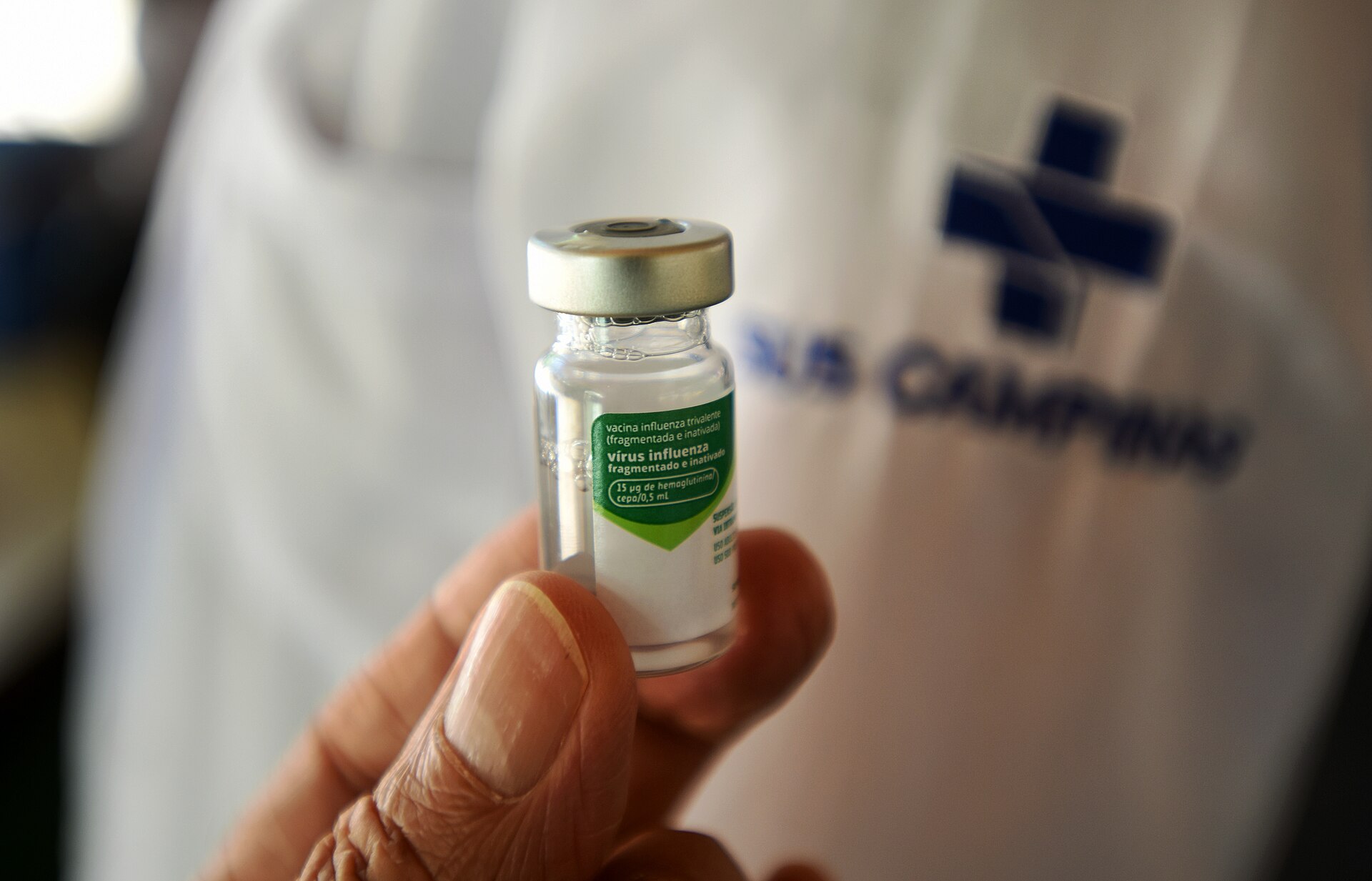
Flu season early rise in England has been confirmed by health officials, with the UK Health Security Agency (UKHSA) reporting above-average activity for September. While current levels remain low, multiple indicators show a clear upward trend that has persisted since August.
Metrics including positive test rates, general practitioner consultations for influenza-like illness, and emergency department attendances all exceed seasonal expectations. The agency noted that activity throughout September was higher than in the same period during the previous four winter seasons.
UK flu vaccination targets at-risk groups
Prof Sir Andrew Pollard, director of the Oxford Vaccine Group, emphasized that vaccination remains the most effective defense. He advised individuals at risk due to age or underlying health conditions to receive the shot as soon as possible, before transmission peaks.

Free vaccines through the National Health Service are currently restricted to children and higher-risk groups. Pollard noted that those ineligible for free NHS shots might access them through workplace schemes or private pharmacies. Private doses typically cost around £20, with some retailers offering prices under £10 for members.
Antonia Ho, a professor of infectious diseases at the University of Glasgow, warned that the vaccine takes several weeks to provide full protection. She stated that an early rise in cases could signal a more intense season overall, as earlier onset often leads to a longer period of community transmission and higher cumulative case numbers.

Influenza activity England driven by young adults
UKHSA data indicates that the current increase is largely driven by individuals aged 18 to 24. The virus circulating in England is a mix of two influenza A subtypes: H1N1 and H3N2. The standard flu vaccine covers both of these subtypes as well as influenza B.
Although H1N1 appears to have drifted slightly from the strain used in this year’s vaccine, Ho said it is too early to determine if this will impact effectiveness. Pollard added that an early start does not necessarily mean a worse season, citing weather, viral spread capabilities, population immunity, and social behavior as variable factors.
Last winter, the vaccination program in England is estimated to have prevented approximately 100,000 hospital admissions and 7,000 deaths, despite the season also starting early. John Tregoning, a professor of vaccine immunology at Imperial College London, observed that early starts often prompt behavioral changes, such as increased vaccination uptake, which can subsequently lower case numbers.

Health experts also highlighted rising coronavirus levels and urged eligible individuals to get their jabs. Tregoning stressed the importance of vaccination against respiratory syncytial virus (RSV). Ho recommended that anyone with flu-like symptoms stay home, practice hand hygiene, and avoid contact with others to limit spread.
Source: The Guardian
