


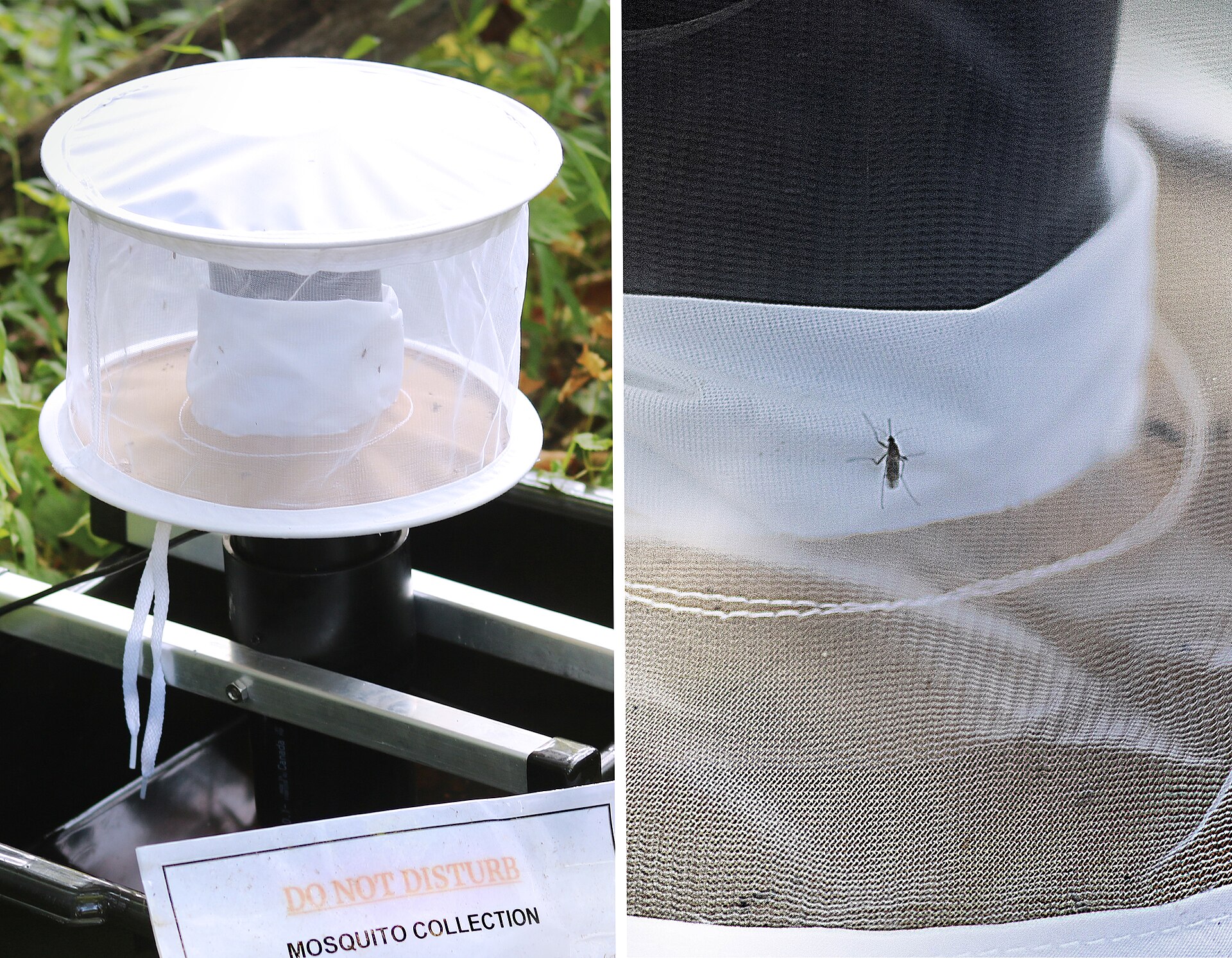
Los Angeles is currently enduring what residents and officials describe as one of the most severe mosquito infestations in recent history. The combination of record-breaking heat and high humidity from a powerful El Nino has created ideal breeding conditions, leading to a surge in mosquito populations and a corresponding spike in West Nile virus cases.
The city, typically known for its clear skies and beaches, has become a hotspot for these pests. Local authorities report that 2026 is shaping up to be a particularly difficult year, with mosquito activity remaining high well into the fall. The mild winter and early spring heatwaves allowed mosquitoes to stay active longer than usual, while the subsequent moist summer provided ample standing water for reproduction.
West Nile Virus Cases Reach Ten-Year Peak
According to the Los Angeles County public health department, the region has documented more than 180 cases of West Nile virus this year. This figure represents the highest number of cases in nearly a decade. The virus is primarily spread by Culex mosquitoes, often called quinx, which feed on birds and can transmit the disease to humans.
Anais Medina Diaz, communications director for the San Gabriel mosquito and vector control district, noted that the area has seen higher mosquito and disease activity this year. She attributed the increase to environmental factors, specifically the unusually warm winter that prevented mosquito populations from declining during the colder months.
Mosquito activity typically drops when overnight temperatures fall below 50 degrees Fahrenheit. However, forecasts indicate that temperatures will remain too warm to halt breeding cycles, and upcoming rains are expected to create new breeding sites. The Orange County mosquito and vector control district has also reported significant activity, with approximately 850 traps testing positive for the virus.
Invasive Aedes Mosquitoes Dominate Suburbs
While Culex mosquitoes are the primary carriers of West Nile, the invasive Aedes genus is the species most likely to bite humans. These mosquitoes, known locally as ankle biters, first appeared in the region in 2014 and have since proliferated. Unlike Culex, Aedes mosquitoes target humans and can transmit diseases such as dengue, chikungunya, Zika, and yellow fever.
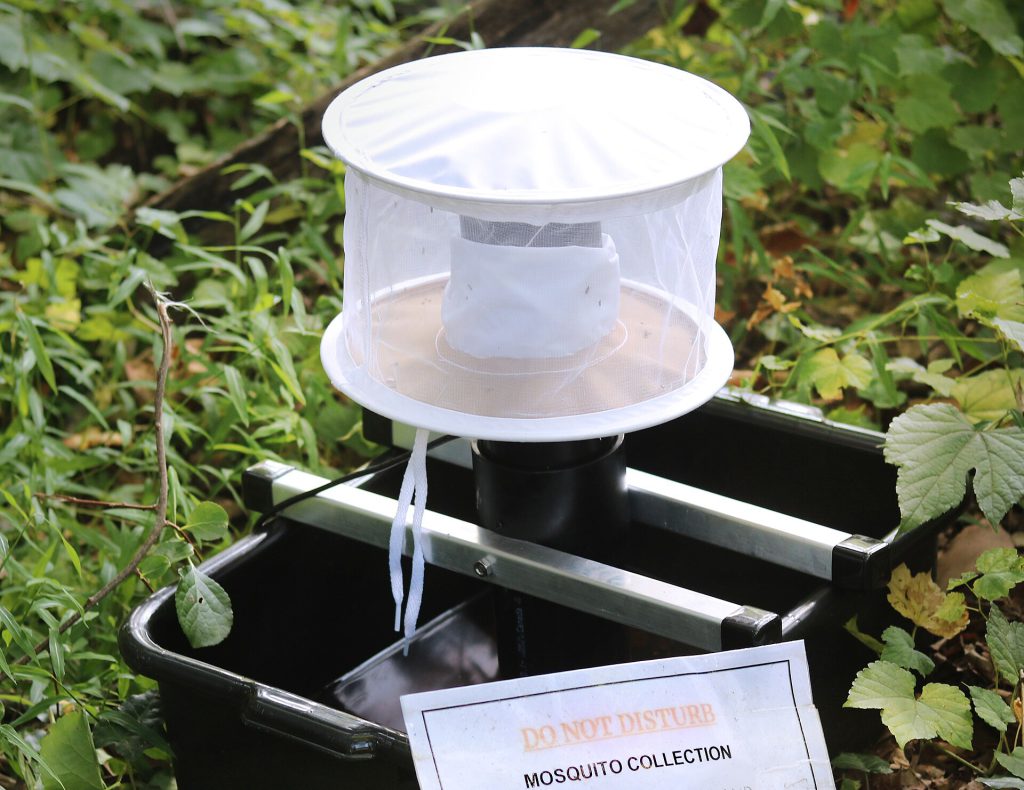
Aedes mosquitoes are particularly adept at thriving in suburban neighborhoods and valleys. They can reproduce in tiny amounts of standing water, such as the water in saucers under potted plants or unattended pet bowls. This behavior makes them difficult to control through large-scale environmental management alone.
Angela Caranci, a scientific-technical manager with the greater Los Angeles County vector control district, highlighted the challenges of combating these pests. She noted that property owners are often reluctant to allow officials onto their land to eliminate standing water, creating hurdles for containment efforts. “Not everyone wants us on their property,” Caranci said, adding that convincing residents of the necessity of these inspections is a significant part of the battle.
Control Measures and Future Outlook
Vector control districts employ several strategies to manage the outbreak. These include spraying adulticide, an insecticide diluted to about two tablespoons per acre, to reduce adult mosquito populations. Proactive spraying has helped prevent West Nile cases from exceeding 2014 levels despite the high number of mosquitoes.
More advanced techniques involve sterilizing male mosquitoes using X-rays and releasing them into targeted areas. This method has successfully reduced local populations by more than 80% in experimental sites. However, it is expensive and currently limited to specific species like Aedes aegypti. An experimental program in the San Gabriel Valley cost approximately $30,000 to cover just 25 acres, and local businesses have shown reluctance to support tax increases for such programs.
For residents, the best defense remains personal protection. Officials recommend wearing long sleeves and using repellents containing Deet, picaridin, IR3535, or oil of lemon and eucalyptus. Medina Diaz emphasized that the region must adapt to a new normal where mosquitoes are a constant presence. “Most of our residents are used to not having mosquitoes, and that has now changed,” she said. “If you’re going to avoid mosquito bites, you’re going to have to make wearing repellent a part of your routine.”
Source: The Guardian
