


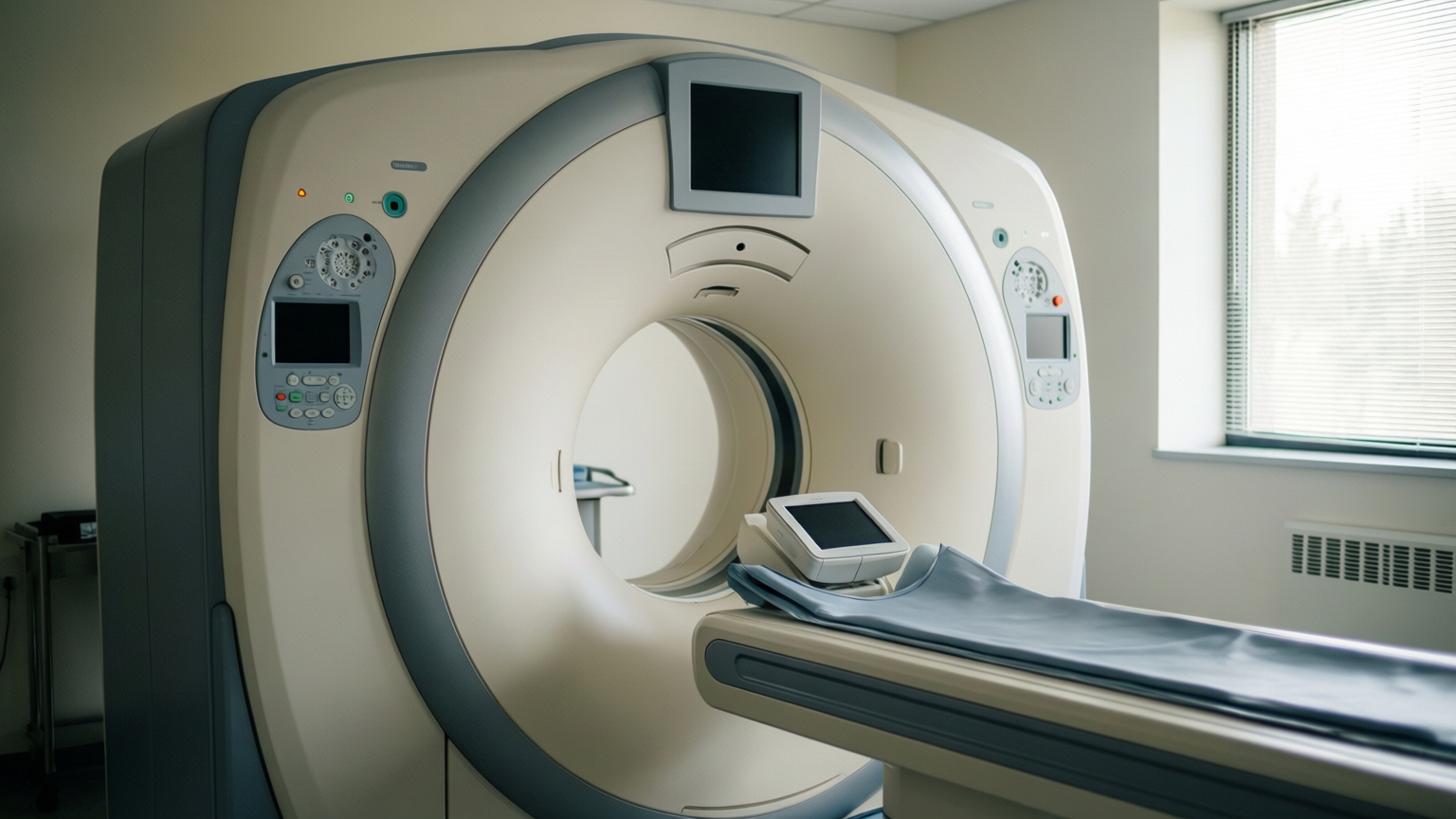
The business of offering full-body MRI scans to healthy individuals is facing increased scrutiny as critics question the value and safety of the procedure. A recent investigation by the BBC’s Audio Science Unit highlights the divide between clinic proponents, who argue that early detection of diseases before symptoms appear is beneficial, and medical experts who warn that the practice can create unnecessary anxiety and waste thousands of pounds.
The Debate Over Full-Body MRI Scans
Proponents of these clinics suggest that scanning the entire body can identify potential health issues early. However, the investigation reveals that many of these findings may never develop into actual problems, leading to what critics describe as a waste of money and a source of undue stress for patients. The report features a visit to one such clinic to examine the risks and benefits firsthand, providing a balanced view of a growing industry that promises peace of mind but may deliver confusion instead.
Stroke Rates Increase in Black Communities
Separate research presented in the same broadcast highlights a concerning trend in public health: stroke rates are increasing among black African and black Caribbean people in the UK at a faster pace than in white populations. The primary driver identified for this disparity is high blood pressure. To understand the underlying causes and prevention strategies, the program features Dr Iain Marshall, a general practitioner who specializes in researching stroke risk factors.
The report also includes the personal account of Sheila Chingono, who suffered a stroke at the age of 32. Her story underscores the urgency of addressing these health disparities. By combining expert analysis with personal testimony, the broadcast aims to shed light on why these specific groups are being disproportionately affected and what steps can be taken to mitigate the risk.
Practical Advice for Emergency Food Stockpiles
While health crises and medical technologies dominate the news, the broadcast also addresses the practical side of emergency preparedness. The concept of an emergency food stockpile often conjures images of unappetizing tins stored in dark cupboards. However, the program challenges this notion by speaking with a nutritional scientist who demonstrates how to maintain a healthy and tasty diet using non-perishable goods.
The advice provided is particularly relevant for scenarios where running water or cooking facilities are unavailable. The scientist emphasizes that emergency eating does not require sacrificing flavor or nutrition, and notably, it does not mean giving up treats like biscuits. This segment offers actionable advice for those looking to prepare for potential disruptions in daily life without compromising on dietary quality.
The broadcast was produced by Gerry Holt with editing by Ilan Goodman and sound engineering by Mary Stone. It was created by the BBC’s Audio Science Unit in collaboration with The Open University, ensuring that the scientific and medical information presented is grounded in rigorous research and expert review.
Source: BBC
