


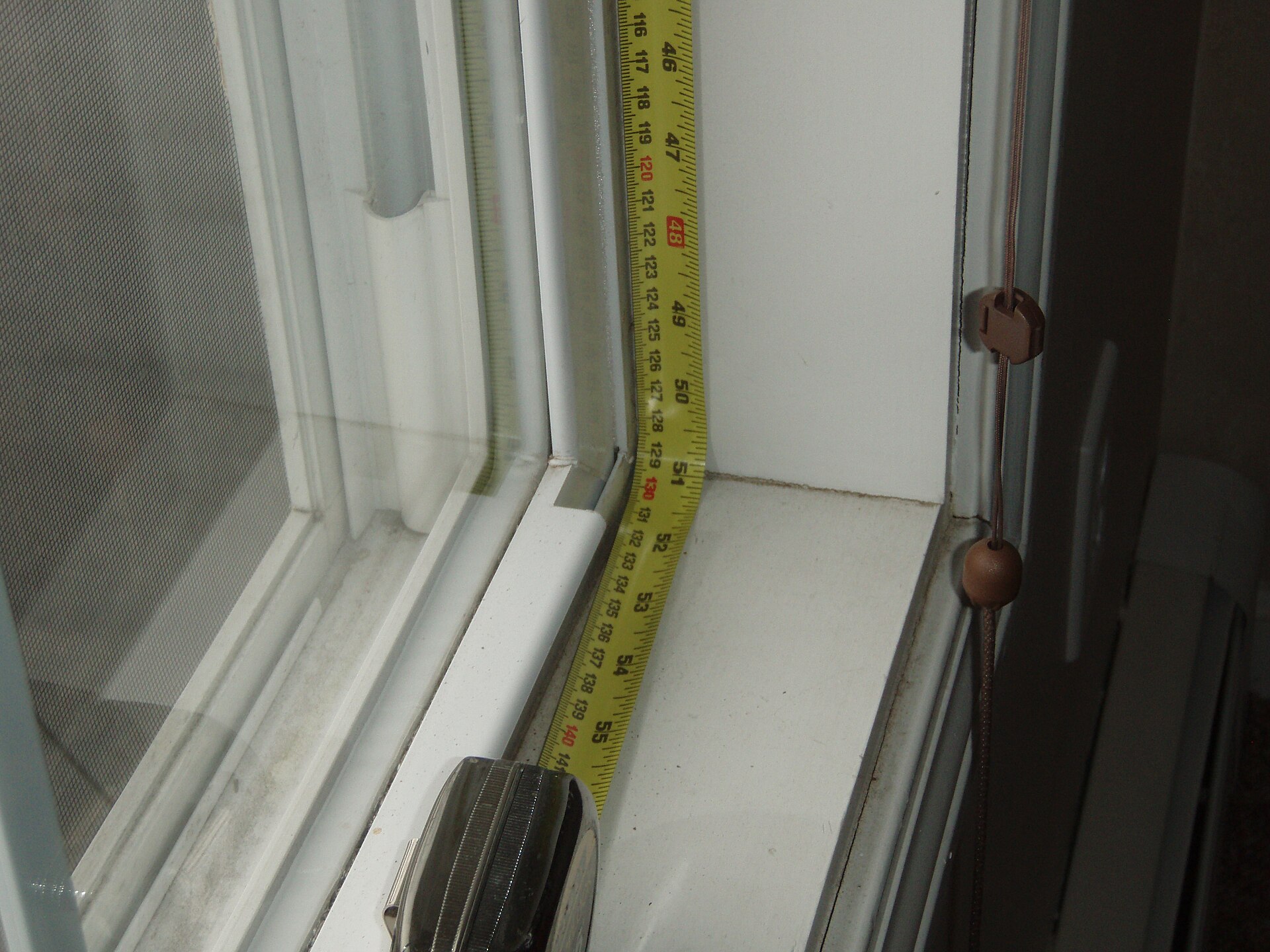
Identifying heat loss through windows
Condensation appearing on the inside of windows, especially in the early morning, often signals that heat is escaping through cold glass surfaces. According to Oliver Novakovic, the technical and innovation director at Barratt Redrow, this issue can stem from poor ventilation or older single-glazed windows that allow more heat to escape.
Antony Heath, marketing and development director at Glevum Windows, notes that misting or water trapped between the panes of double glazing points to a failed sealed unit. Once the seal breaks, the window loses its ability to insulate effectively, forcing heating systems to work harder to maintain comfort.
Testing for draughts and uneven warmth
Homeowners can perform simple checks to locate draughts. On a breezy day, heat the house to its normal temperature and walk through with a candle or a smoke pen, which costs around £20. Alternatively, a thermal leak detector can be used; these devices flash blue for cold areas, green for normal temperatures, and red for warm spots where heat is escaping.
Uneven room temperatures may indicate that heat is escaping faster in certain areas or that radiators are not functioning correctly. Novakovic states that the better a home retains warmth through insulation and airtightness, the less energy is required to keep it comfortable.
Roof heat loss and insulation checks
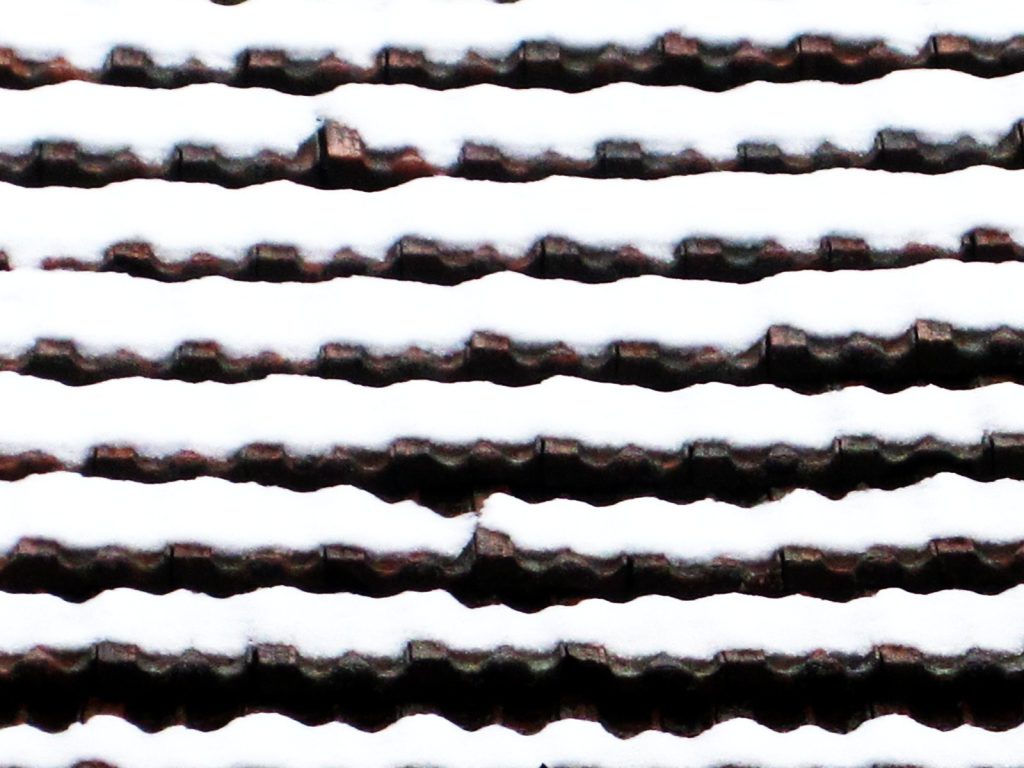
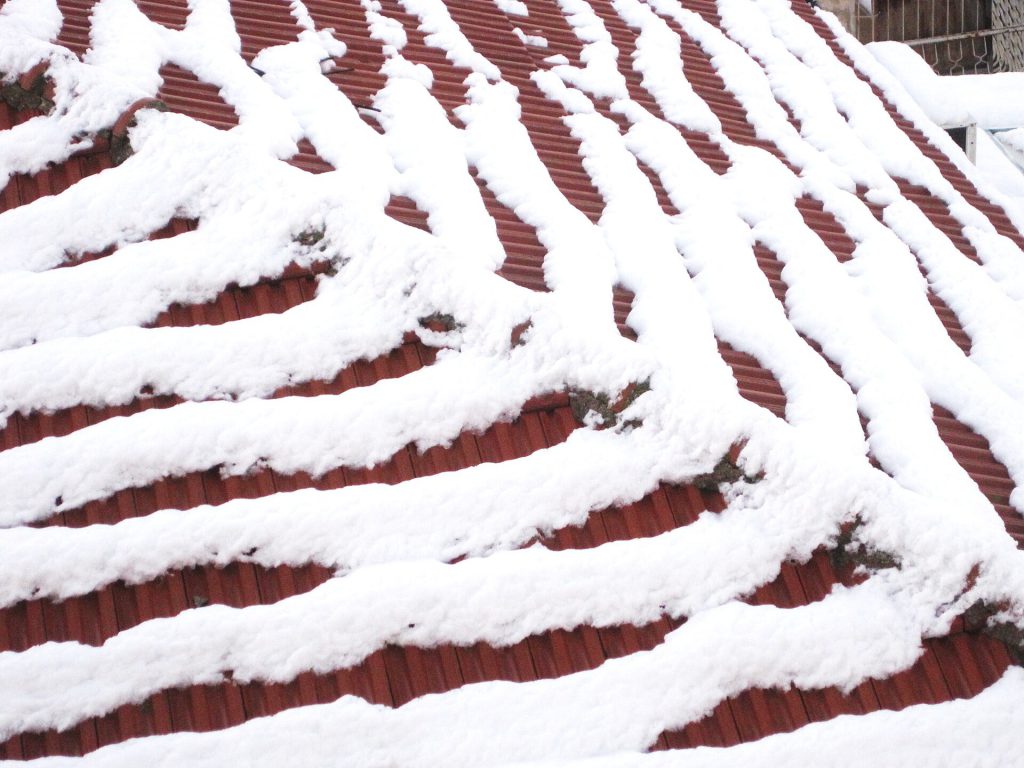
Observing the roof can reveal significant heat loss. If snow melts quickly on your roof while nearby properties remain covered, it suggests heat is escaping from the building. An older or uninsulated home can lose up to 25% of its heat through the roof, making this a critical area to inspect.
Roofs that are hotspots for birds during winter may also indicate warmth escaping from inside. Addressing these issues through improved insulation and airtightness can help reduce energy bills and maintain a consistent indoor temperature.
Source: The Guardian
