


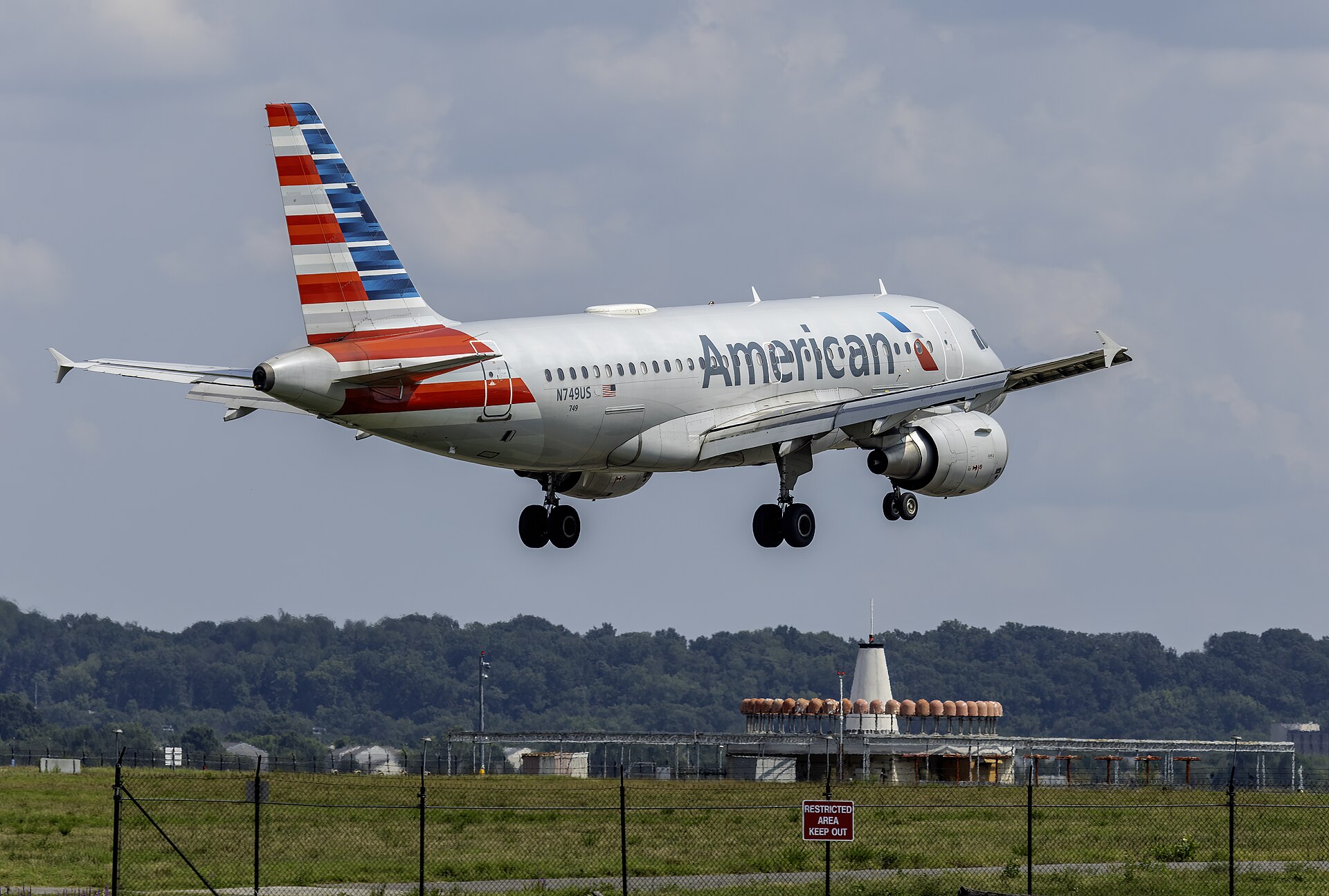
Twenty-five US lawmakers have signed a letter urging the Federal Aviation Administration to pause the use of a new artificial intelligence system at three major Washington area airports. The legislators expressed deep concern over the rapid deployment of the tool, which began operations roughly a month ago, and demanded greater transparency regarding its safety protocols and testing procedures.
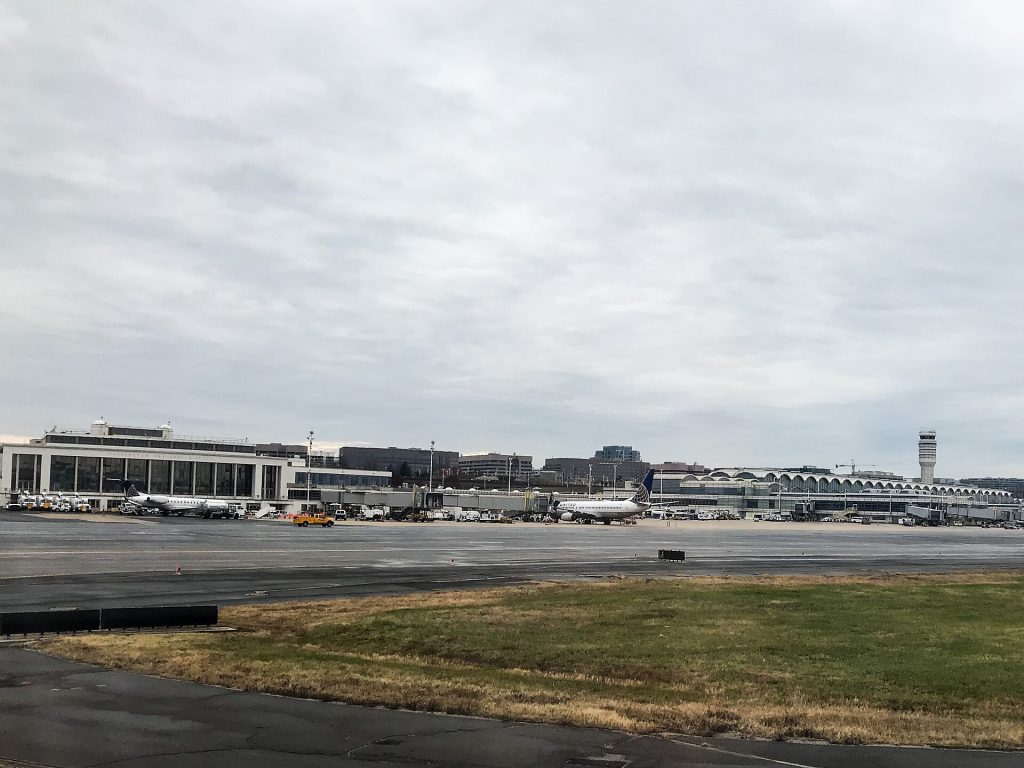
The system, known as SMART (Strategic Management of Airspace Routes and Trajectories), is currently active at Baltimore-Washington International (BWI), Washington Dulles (IAD), and Ronald Reagan Washington National (DCA) airports. While the technology is designed to assist air traffic controllers by processing data streams to create visualizations and schedule recommendations, it does not directly control aircraft in the sky.
SMART System Rollout and Oversight
SMART is operated from FAA facilities in Warrenton, Virginia, rather than from the control towers at the affected airports. The system utilizes data to help manage airspace routes and trajectories, with an initial focus on optimizing flight rescheduling during adverse weather conditions. The FAA awarded a 12-year contract for the project to Air Space Intelligence in June, valued at approximately $875 million.
Transportation Secretary Sean Duffy stated that the technology is intended to provide additional tools for controllers to manage weather and other issues, emphasizing that human operators retain full control of the airspace. However, the lawmakers argue that the rollout proceeded without adequate preparation for the frontline workers who must interact with the system.
The letter, addressed to Duffy and FAA Administrator Bryan Bedford, highlights that air traffic controllers received only a few days’ notice before the system went live. The legislators also noted that safety staff have not received sufficient training to handle the new technology. They described the lack of transparency surrounding the initial launch as egregious and requested a pause until they can better understand the decision-making process and evaluation plans.
Air Traffic Control Safety Concerns
The timing of the SMART deployment has drawn particular scrutiny given the recent history of air traffic incidents in the National Capital Region. In January 2025, a mid-air collision occurred near Reagan National Airport involving an American Eagle regional jet and a US Army helicopter. This event marked the deadliest US air disaster in nearly 25 years.
The lawmakers pointed out that local officials were not informed about why the Washington DC area was selected as the pilot test region, especially so soon after the tragic collision. They noted that there has been significant public concern regarding the use of AI in critical infrastructure systems, and they believe the FAA has not provided any safety evaluation or testing reports to the public or to Congress.
The 25 signatories, comprising both US Senators and Members of Congress, have outlined 18 specific questions across three categories: Pre-Deployment Testing & Evaluations, Stakeholder Consultation & Training, and Assessments & Oversight. They are seeking a response from the FAA by October 19.
The legislators clarified that they are not opposed to the modernization of air traffic control systems. Instead, they are calling for a more rigorous and transparent approach to integrating AI into such a sensitive environment. They hope to ensure that all safety measures are in place and that all stakeholders are properly consulted before the system is expanded beyond the Washington DC area.
The FAA has not yet publicly responded to the letter, but the lawmakers’ demands highlight the growing tension between technological innovation and safety regulation in the aviation sector. The outcome of this inquiry could influence how AI tools are deployed in other critical infrastructure sectors across the United States.
Source: Simple Flying
