


Post-workout muscle soreness is a familiar sensation for anyone who exercises. The discomfort often peaks hours after a session and can last for days, making simple movements difficult. In response, many recreational gym-goers have adopted recovery techniques once reserved for elite athletes. Social media and professional sports have popularized tools ranging from ice baths and compression gear to specialized supplements.
While these products promise faster recovery and reduced pain, the scientific evidence supporting them is often more complex than marketing suggests. Some strategies may actually interfere with the body’s natural adaptation processes, potentially limiting long-term fitness gains.
Ice Baths and the Inflammation Trade-off
Ice baths are among the most discussed recovery interventions. This practice involves immersing the body in water below 15 degrees Celsius to reduce inflammation. Research indicates that this cold exposure can effectively lower inflammation markers, which helps alleviate muscle soreness and restores muscle function more quickly within the first 24 hours.

However, there is a significant biological trade-off. Inflammation is not merely a source of pain; it is a critical signal that triggers muscle adaptation and growth. By dampening this inflammatory response, ice baths may blunt the long-term benefits of training. Experts suggest that side-stepping short-term pain can sacrifice long-term muscle gains. Consequently, ice baths are best reserved for situations where rapid recovery is absolutely necessary, such as during multi-day competitions.
Compression Garments and Placebo Effects
Compression garments are widely worn after exercise with the goal of speeding up recovery. The theory is that external pressure supports circulation, enhances blood flow to muscles, and reduces swelling. A 2022 study tested these claims by comparing a group wearing compression garments to a group taking a placebo tablet.
The study found that compression garments did improve circulation and muscle blood flow, while the placebo had no such effect. This confirms that the benefits are physiological rather than purely psychological. Despite these measurable changes, the evidence that compression garments meaningfully improve performance or restore muscle function is less convincing. The primary benefit appears to be the subjective feeling of being recovered, rather than actual physiological restoration.

Supplements and the Limits of Soreness Relief
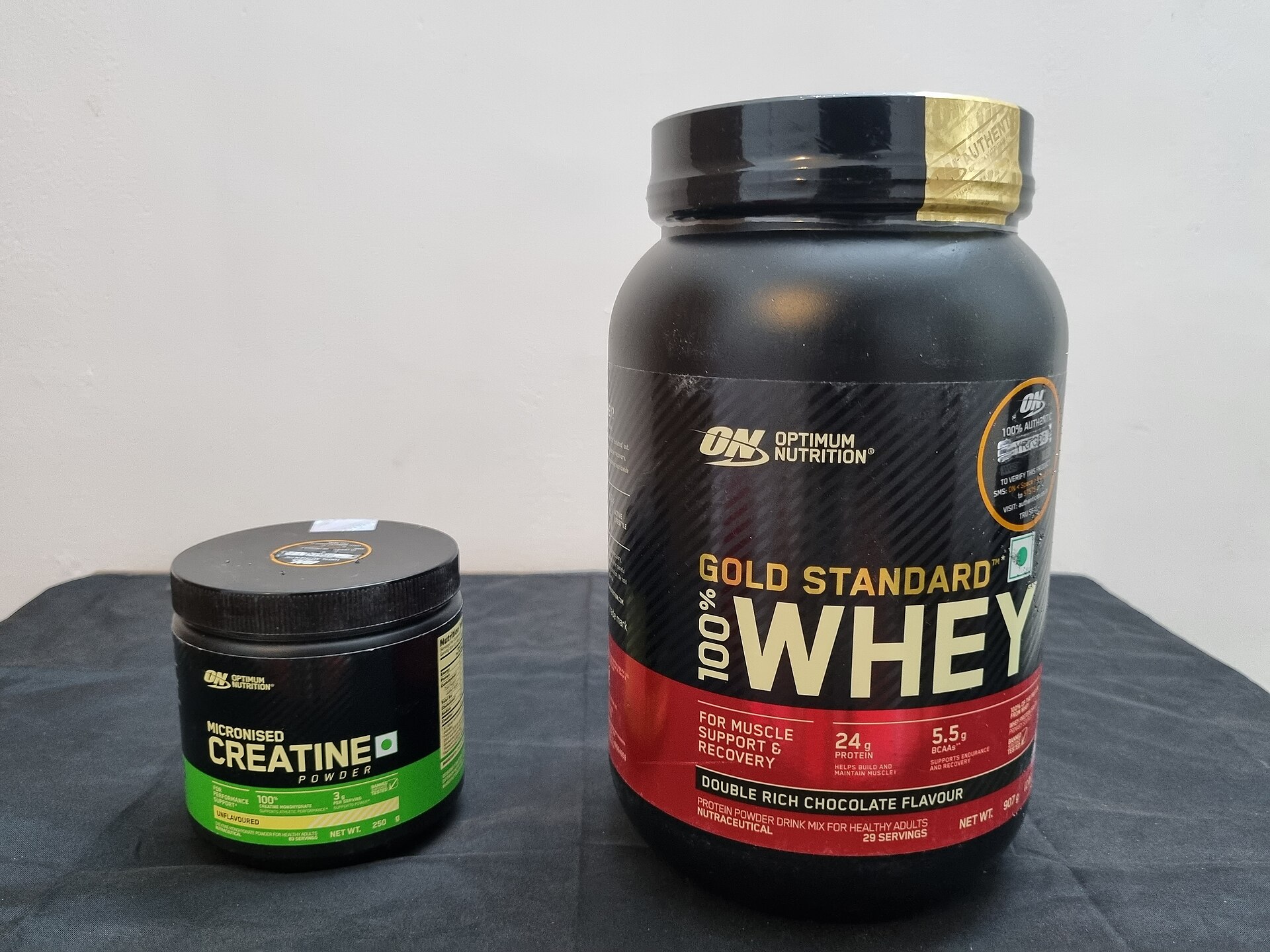
The nutrition supplement market is vast, with countless products promising reduced soreness and faster recovery. Not all supplements offer equal benefits. Whey protein, for instance, is well-researched and stimulates muscle protein synthesis. It offers small-to-moderate benefits for recovery, though evidence for its ability to alleviate soreness is inconsistent.
Branch chain amino acids (BCAAs) are another popular choice. These supplements contain leucine, isoleucine, and valine, which are believed to trigger protein synthesis. However, BCAAs are less effective than complete protein sources for muscle recovery. Muscle repair requires all essential amino acids, not just the three found in BCAAs. Whole food sources like chicken, beef, salmon, and tofu provide a complete amino acid profile.
Tart cherry juice and omega-3 supplements are also marketed for their anti-inflammatory properties. Tart cherry juice contains polyphenols that may reduce soreness and help restore strength, showing small-to-moderate effects. Omega-3 supplements may modestly reduce soreness and preserve muscle function, but results are inconsistent. Science consistently shows that obtaining these nutrients from a balanced diet is superior to relying on expensive supplements.
Massage is one of the few recovery interventions with relatively consistent scientific support. It can reduce soreness and improve perceived recovery by reducing muscle stiffness and boosting relaxation. However, objective measures of performance and muscle function remain modest and inconsistent. Massage eases discomfort but does not deliver miraculous performance restoration.
The strongest evidence for effective recovery points to the basics. Recovery cannot be bottled or sold in a capsule. The most reliable methods for restoring muscle function remain adequate sleep, proper nutrition, and time.
Source: ScienceDaily
