


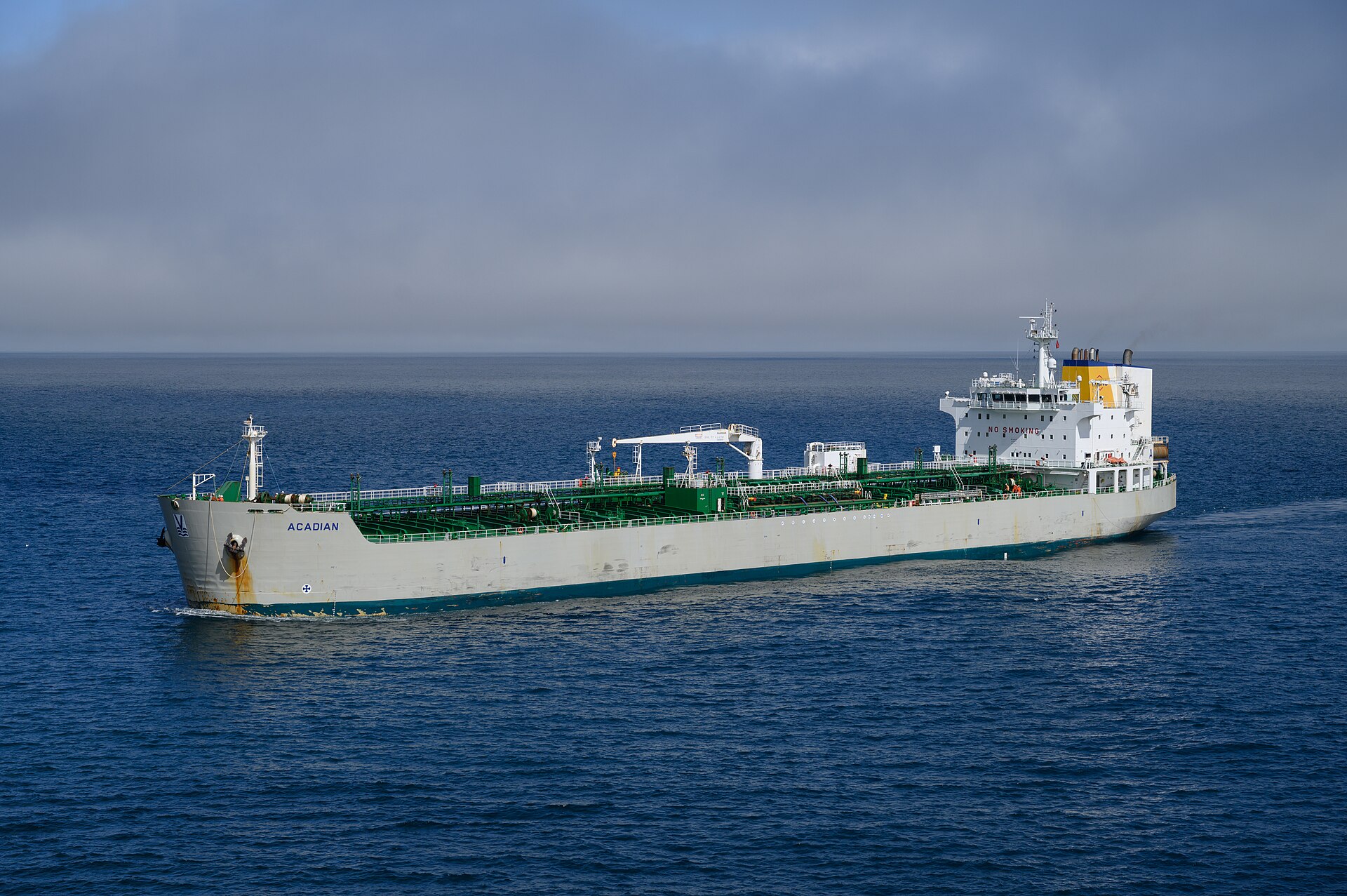
The number of vessels reporting attacks in and around the Strait of Hormuz has reached a record high, according to an analysis by BBC Verify. Data from the UK Maritime Trade Operations (UKMTO) agency indicates that twelve ships were struck between October 5 and October 11. This figure surpasses the previous weekly record of ten attacks reported in the days following the start of the US-Israeli war with Iran.
Weekly Strike Timeline
Maritime intelligence firm Vanguard confirmed that six of these incidents occurred on a single day last Sunday, marking a significant spike in violence. The attacks continued into the current week, with four additional reports logged. One notable incident involved the container ship GFS Pride, which sank after being hit by an unknown projectile on Tuesday. Twenty-one crew members were safely evacuated from the vessel.
Iran’s Islamic Revolutionary Guard Corps (IRGC) released footage of the sinking, claiming the ship was carrying contraband and had taken an unauthorized route. However, the UKMTO does not validate these claims in its incident reports, which focus on the timing and location of the strikes.
Oil Flow Disruption
The surge in violence has directly impacted energy markets. Trade intelligence firm Kpler reported that oil throughput through the strait dropped to approximately 12.6 million barrels per day on October 13. This represents a decline from the 15 million barrels per day recorded at the end of September and falls well below the pre-war baseline of 17 million barrels per day.
Industry experts attribute the slowdown to the increased risk of transit. The US military has responded by expanding its escort operations. Data from US Central Command shows that assisted transits, where naval forces shepherd tankers through the waterway, increased by 85% in the first ten days of October compared to August.
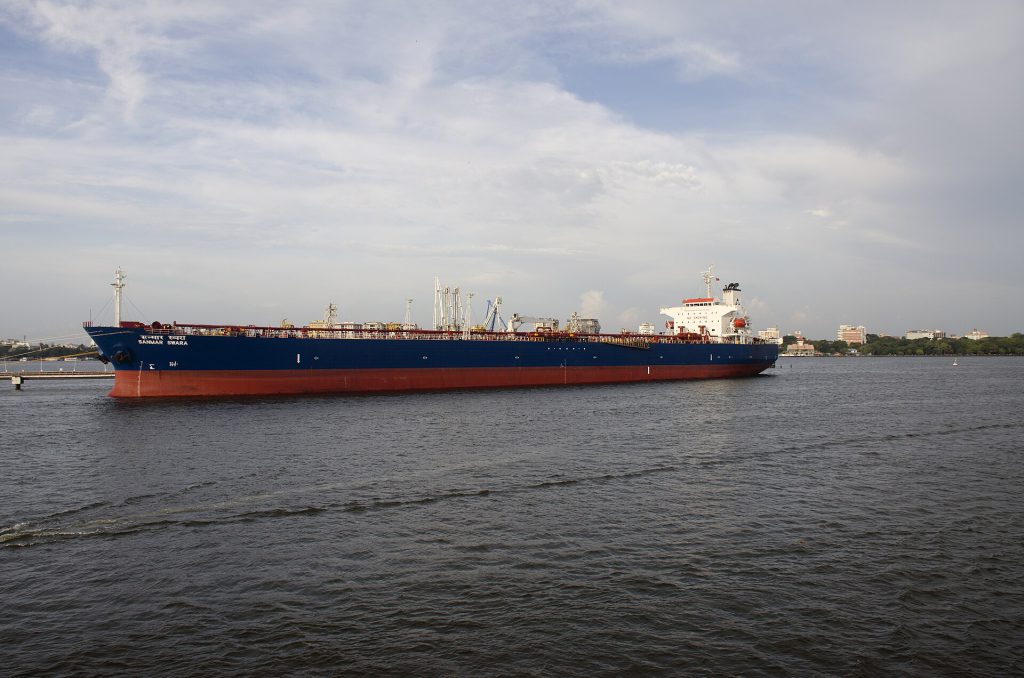
Most oil from Gulf Arab states is now moved using a shuttle system. Tankers load near Oman and transfer cargo to larger vessels in the Gulf of Oman. Iran considers this route unauthorized and has targeted ships using it. Martin Kelly, CEO of Orbital Risk Intelligence, stated that Iran has evolved its strategy to deter commercial traffic through near-daily attacks.
Wider Regional Impact
Iran is also extending its operations beyond the immediate vicinity of the strait. Vanguard reported that a tanker was struck by multiple projectiles north of Qatar on October 8, more than 500 kilometers from the strait. Another attack occurred near the UAE town of Al-Jazirah al-Hamra on October 9.
Verified footage from the Oman incident showed the Nicaragua-flagged tanker Petro Dolphin on fire after a drone strike. Eleven Indian seafarers were rescued, but two remain missing. The IRGC has warned that strikes will not be limited to the Strait of Hormuz and announced a new deployment formation across the region.
Despite the heightened danger, the US military maintains that commercial traffic continues to flow with coordinated protection from regional partners. The conflict has also completely stalled Iranian oil exports due to a US blockade of its ports and ships.
Source: BBC
