


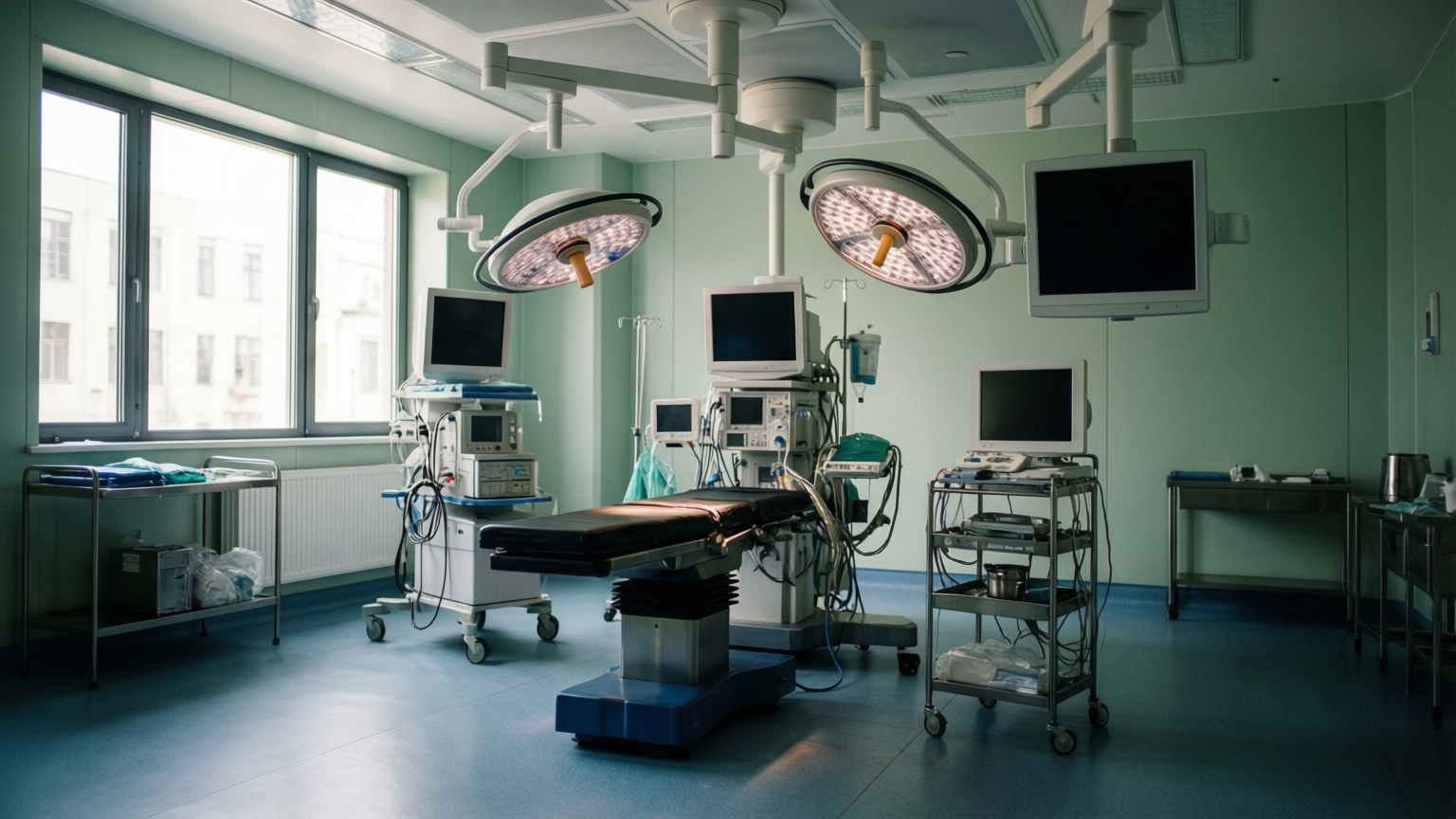
Surgeons in Rome removed the lower section of Pope Leo’s right lung on Tuesday following a routine health examination. The procedure, identified as a lobectomy, was conducted after medical tests confirmed the presence of lung cancer. The Vatican stated that the diagnosis suspected from earlier scans was verified during the operation itself.
Understanding the lobectomy procedure
The human lungs consist of five lobes, with three located on the right side and two on the left. A lobectomy involves the removal of the entire lobe containing the tumor rather than just the growth itself. This approach allows surgeons to excise the cancer along with a margin of healthy tissue, providing the best chance of eliminating all cancer cells. Patients typically live full, active lives with the remaining four lobes, which adapt and expand over time to compensate for the lost volume.
The operation utilized a video-assisted thoracoscopic surgery (VATS) technique. This minimally invasive method uses a camera and small incisions, offering benefits such as reduced pain, smaller scars, and a faster recovery period compared to traditional open surgery. Historically, these procedures required large incisions between the ribs, but modern keyhole techniques have become the standard for early-stage cases.
During the surgery, doctors also removed nearby lymph nodes to check for signs of spread. These small glands drain the lung, and their status is critical in determining the stage of the disease. If the lymph nodes are clear, surgery alone is often curative. The Vatican has not yet released the results of these specific tests.
Diagnosis and tissue analysis
The confirmation of cancer during the operation likely involved a technique known as a frozen section. In this process, a sample of the removed lung tissue is rapidly frozen, sliced, and examined by a pathologist while the patient is still under anesthesia. This allows the medical team to receive results within minutes, helping them decide the extent of tissue removal needed. A more comprehensive pathology report will follow in the coming days.
The specific type of cancer identified is adenocarcinoma, which accounts for the majority of non-small cell lung cancers. This form typically develops in the outer parts of the lungs and is the most common type found in individuals who have never smoked. While total case numbers are higher among smokers, adenocarcinoma remains a significant health concern across all demographics.
Many small lung cancers are discovered incidentally during scans or X-rays performed for unrelated reasons. Once a nodule is detected, detailed CT scans determine its size and position, while PET scans check for any signs of metastasis. When a nodule appears highly suspicious, doctors may proceed directly to surgery without a preliminary biopsy.
Recovery and next steps
Following the surgery, a chest drain tube remains in place to allow air and fluid to escape while the lung heals. Patients are encouraged to get out of bed the following day to reduce the risk of blood clots and chest infections. Pope Leo is expected to remain in the hospital for approximately one week.
The final pathology report will determine if further treatment is necessary. Adenocarcinomas are routinely tested for genetic mutations that can be targeted by specific drugs. Some patients receive immunotherapy or chemotherapy to lower the risk of recurrence. Most patients are advised to wait two to three weeks before flying, provided the lung has fully healed. This timeline leaves a narrow window for the pontiff to prepare for his planned overseas trip in November.
Source: The Guardian
