


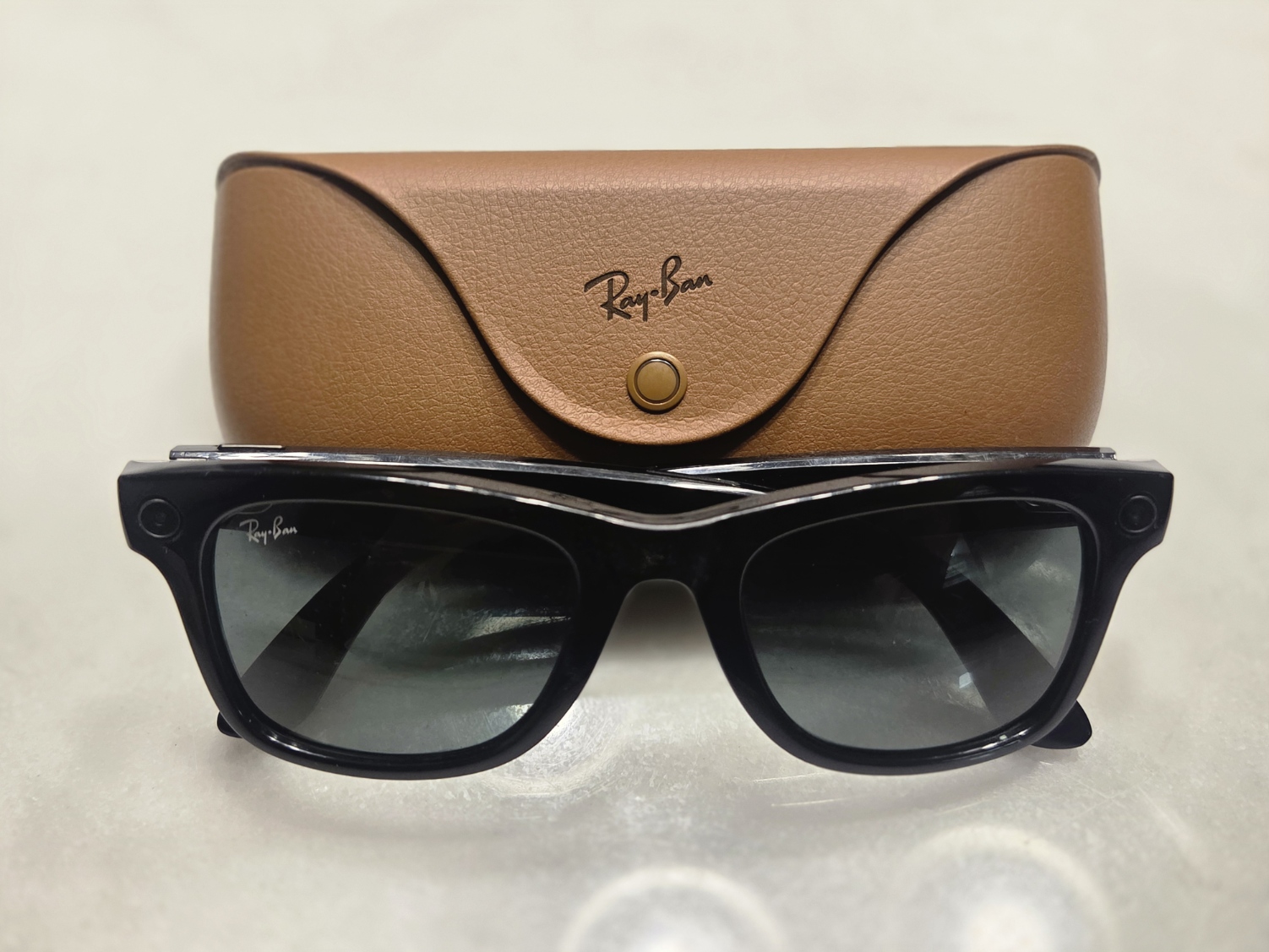
Fraser Fleming approaches a busy street corner in Glasgow and asks his smart glasses to describe the road ahead. A voice from tiny speakers in the arms of the specs tells him there are parked cars and a person walking in his direction. For the 44-year-old, who is registered blind, this information is essential for navigating public transport and reading street signs.
However, Fleming has started to think twice about wearing the AI-powered Meta smart glasses in public. He says people are calling them “pervert glasses” due to reports of the devices being used to secretly film and harass people, particularly women and girls. The footage is often shared online, creating a hostile environment for legitimate users.
“We are definitely not using them to record people in dodgy situations,” Fleming says. He notes that the stigma is having a negative effect on anyone wearing them for accessibility. He often takes the glasses off if he fears a confrontation, which forces him to rely on other senses and makes getting from one place to another much more difficult.
Event bans overlook disability needs
The backlash has led some venues to restrict or ban the devices. Monopoly Events, which runs major comic and entertainment conventions in the UK, announced in July that it would ban Meta glasses and other wearable recording devices to stop secret filming. This decision affects attendees like Gordon Brown, who is severely sight-impaired.
Brown has attended ComicCon Scotland in Edinburgh with his family for the past three years. He says the impact of the ban on people with disabilities has been overlooked. Even if he were to put the glasses on quickly to read a sign, he would not feel comfortable. He views the ban as a matter of principle, noting that the company is not willing to engage with or listen to a minority group.

Tracey Rogerson, who uses the technology to help with her sight loss, shares these concerns. She says the devices are a big part of her independence. She was shocked to hear they were being labeled pervert glasses, emphasizing that they are vital tools for maintaining autonomy in daily life.
Meta defends design and safety features
Meta, which started selling the smart glasses in 2021, has sold about two million pairs since February of last year. The company says there is a light on the frames which makes it clear the smart glasses are recording. It also warns users not to engage in harmful activities.
In a statement, Meta said it is proud that the devices give blind, low-vision, and hearing-impaired people greater independence in daily life. The company states the glasses were built to be noticed, with a bright light on the front that blinks when you take a photo or video. This light cannot be turned off, and the camera is disabled if someone covers or tampers with it.
Teah Pearn, a cosplay artist with 1.9 million followers on TikTok, says she was secretly filmed by someone wearing the glasses at a convention in Birmingham earlier this year. She felt violated and says the person was purposefully trying to provoke her to get a reaction for social media. Pearn supports restrictions on the devices but thinks there should be exceptions for people with disabilities. She argues that legitimate users should not have to deal with the fact that a certain group of people has spoiled the technology for them.
Source: BBC
