


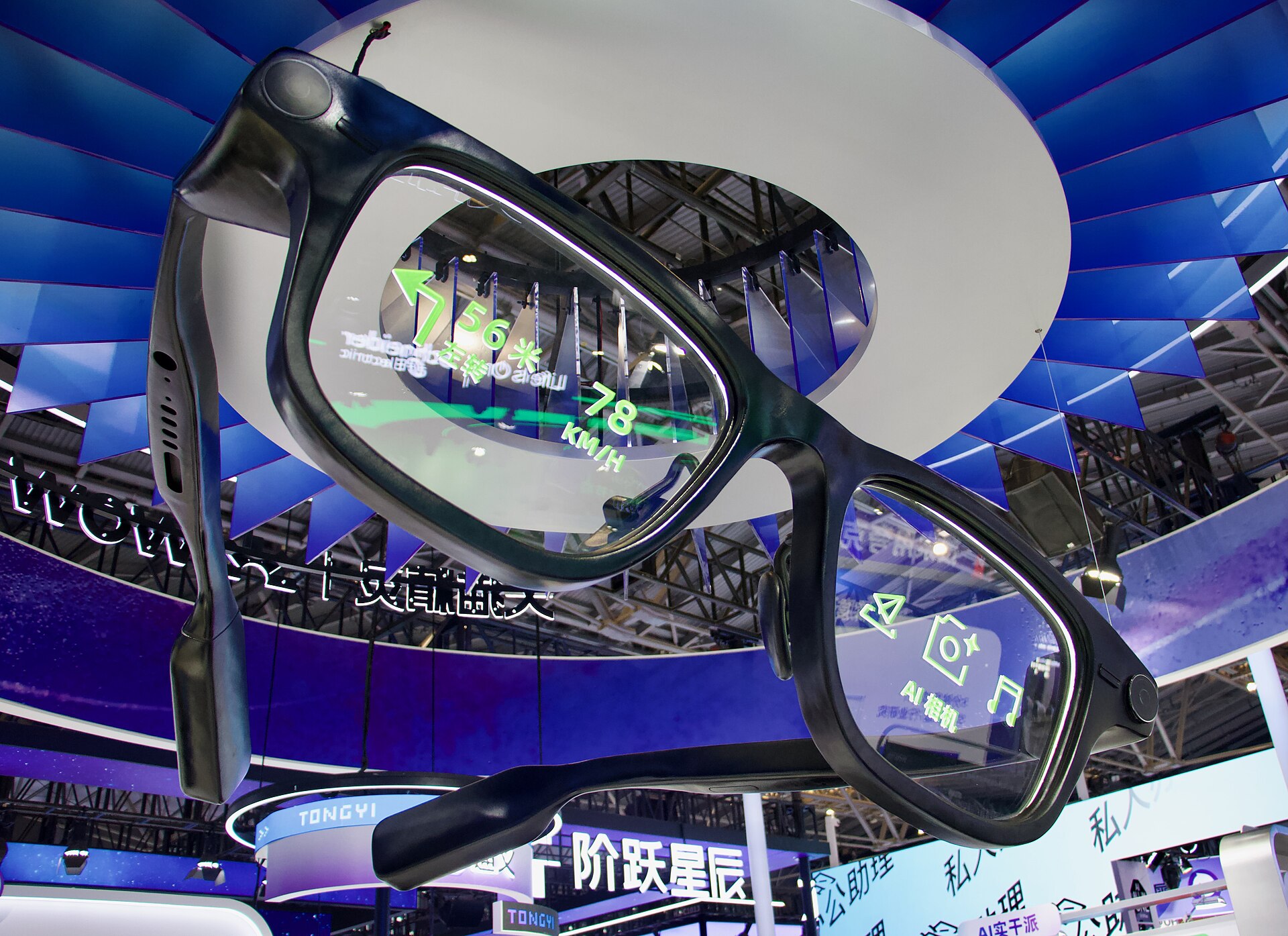
HTC has officially entered the competitive smart glasses market with the launch of the Vive Eagle, a $499 device that aims to differentiate itself through a strict approach to user privacy. While the company is best known for its virtual reality headsets and a previous smartphone division, this new wearable represents a direct challenge to Meta, which currently dominates the sector despite facing significant backlash over surveillance concerns.
Local Storage and Data Protection
The Vive Eagle features cameras for capturing photos and video, built-in speakers for audio playback, and an embedded AI agent. However, HTC has designed the hardware and software to keep user data off the cloud. Video footage is encrypted and stored directly on the glasses, requiring users to manually import media to their phones or computers via a companion app.
Dan McDowell, HTC Vive’s head of enterprise sales, stated that the company’s goal is to protect both the wearer and those around them. “It’s not just about protecting the consumer, but it’s also about protecting people around the consumer,” McDowell told Wired. “People can usher in, I think, what are really tremendous experiences with a new layer of confidence and protection.”
To further ensure transparency, the glasses include a bright indicator light next to the cameras. If the light is covered or if a bystander verbally commands the device to stop recording, the recording ceases. This stands in contrast to Meta’s glasses, which have faced scrutiny over users tampering with or blocking their privacy LEDs.
AI Integration and Subscription Model
The Vive Eagle integrates with OpenAI’s ChatGPT and Google’s Gemini through an AI assistant called Vive AI. The system is designed to be de-identified by default, meaning it does not require a login and does not retain personal information from the chatbots. Consequently, users will not benefit from the personalized features that rely on analyzing emails or messages.
HTC includes two years of its AI Plus service for free. After that period, users must pay a monthly subscription fee of $2.50. The company emphasizes that it does not train its own AI models or third-party models with data collected from the glasses.
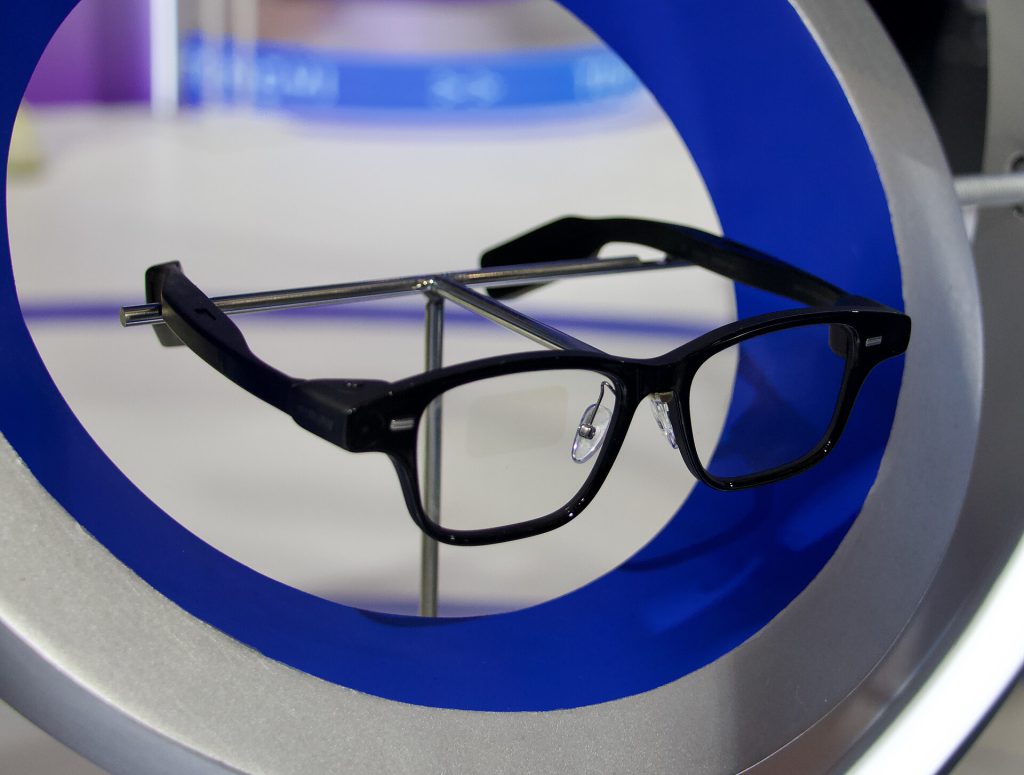
Hardware specifications include a battery life of 4.5 hours for continuous music playback and 36 hours on standby. HTC also offers a $49 companion battery pack called Power Boost, which clips onto the frame to extend usage time. The glasses are available in two styles: one with square, Wayfarer-esque lenses and another with a more rounded design.
Market Position and Cultural Shift
HTC acknowledges that the physical appearance of the Vive Eagle is similar to Meta’s offerings, which may confuse consumers wary of surveillance technology. The company hopes that by prioritizing privacy, it can help shift cultural perceptions of camera-equipped wearables. Other manufacturers, such as Even Realities, Viture, and Halliday, are also exploring cameraless designs or virtual displays to avoid these controversies.
McDowell noted that HTC wants its technology to adapt to societal expectations rather than forcing society to accept invasive features. “We’re not a social media company,” he said. “There’s no benefit to me to have any of your info. We don’t train our AI model or any third-party AI models with any of the information that is used on the glasses.”
Source: Wired
