


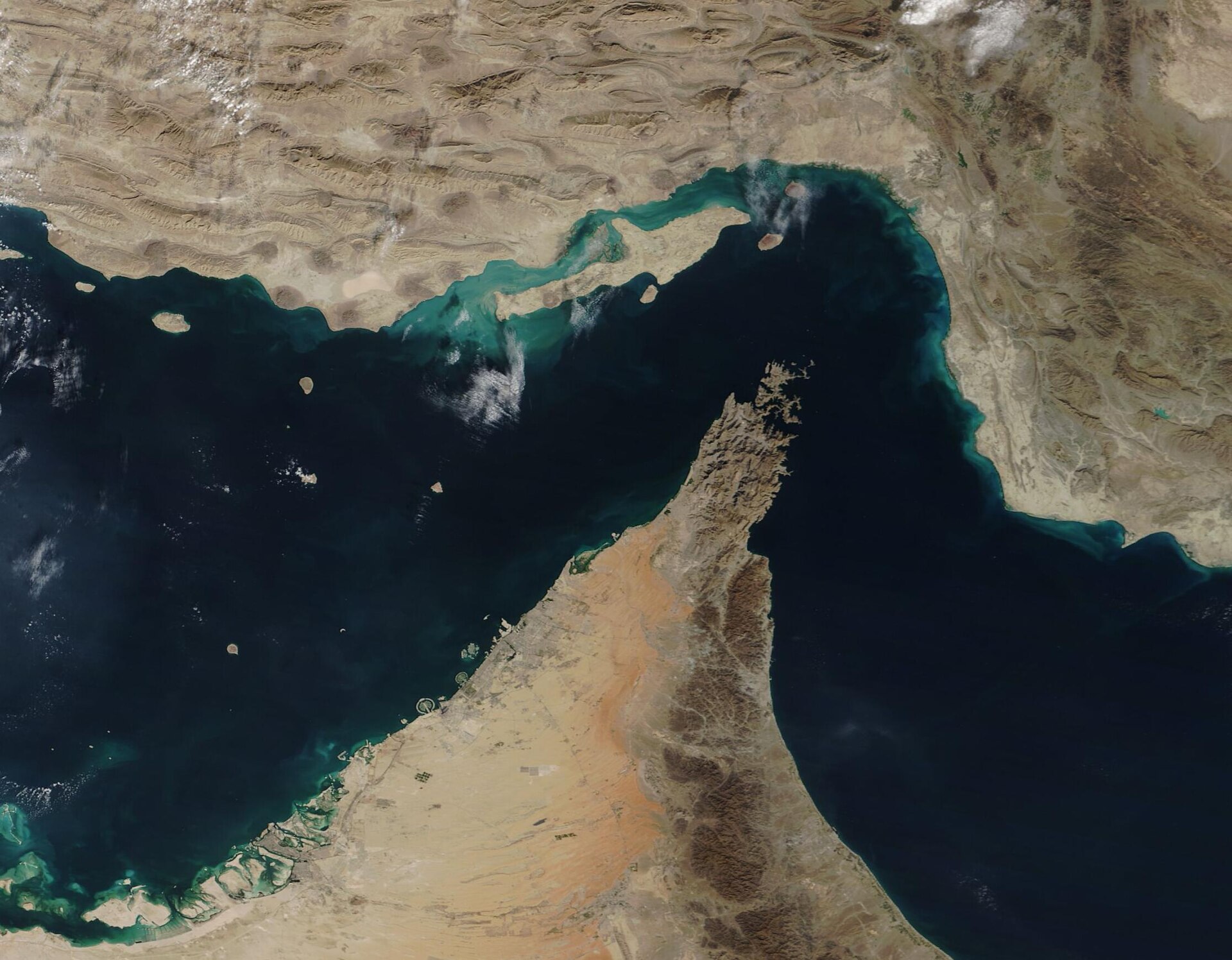
Dozens of ships have been targeted in or near the Strait of Hormuz this October, marking a sharp escalation in the struggle for authority over the critical waterway. The United States and Iran are presenting contradictory narratives regarding the safety of the passage and the extent of their military control, even as the conflict between the two nations continues to disrupt global energy markets.
Conflicting Claims on Maritime Safety
The United Kingdom Maritime Trade Operations (UKMTO) reported that at least 12 vessels were attacked in the week ending October 16. However, the organization noted that the actual number of incidents is likely higher because many ship masters refuse to report attacks to avoid drawing further attention. The UKMTO stated it is struggling to verify the true scale of the violence due to a lack of information from the vessels involved.
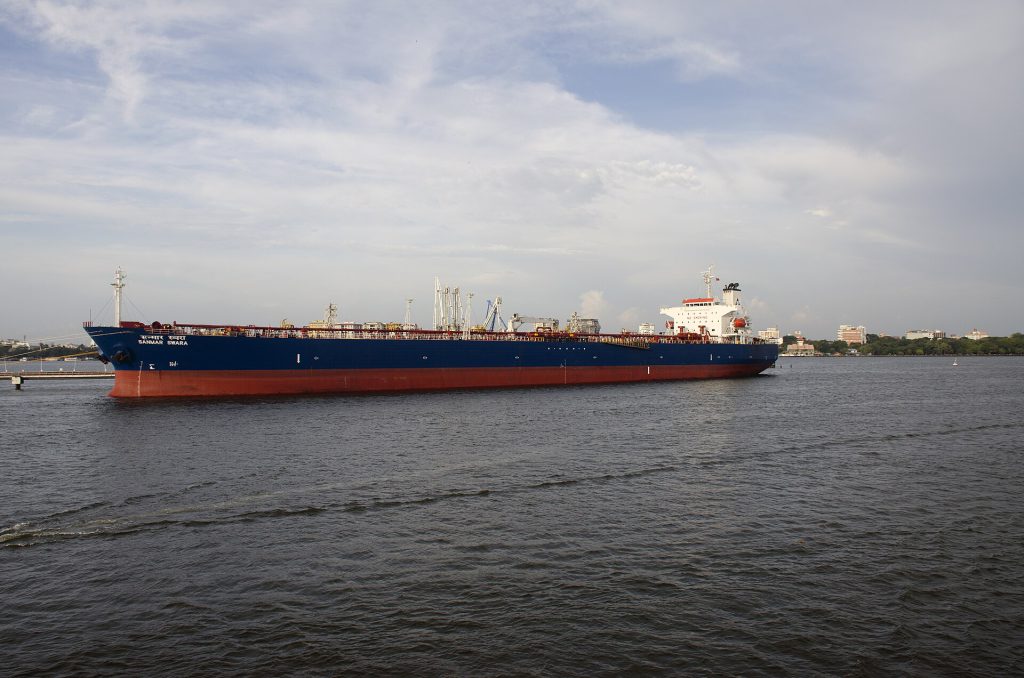
Of the confirmed attacks, half of the vessels continued to their destinations or reached port safely. One ship sank, two were disabled, and three suffered damage with unconfirmed outcomes. The nature of the attacks has also evolved, with a tanker reporting a rocket-propelled grenade strike from a small boat on Saturday. This incident occurred 78 nautical miles northeast of Saudi Arabia’s Jubail, damaging the vessel’s aft port quarter.
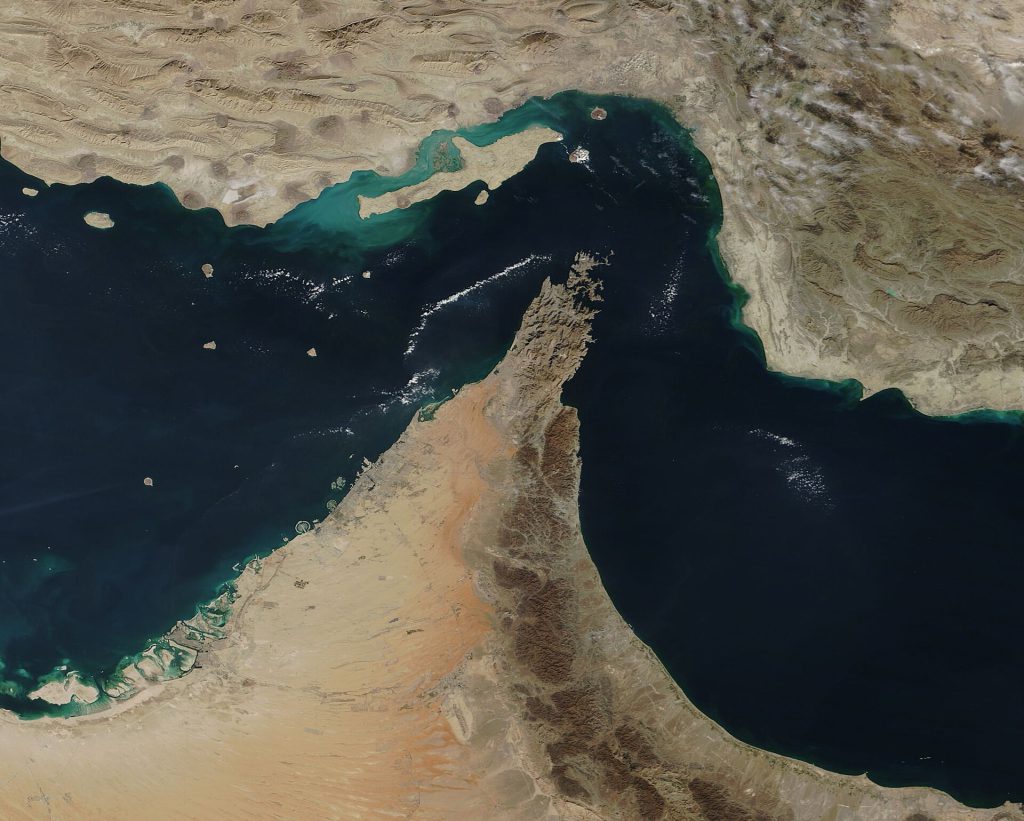
Tehran has not released exact figures on the number of vessels attacked or those successfully passing through the strait. Iranian state media has accused Washington of exaggerating the number of successful transits to project an image of success for its naval campaign. The Islamic Revolutionary Guard Corps (IRGC) has increasingly reported that ships are hitting naval mines, asserting that the waterway remains unsafe for any vessel that does not coordinate with Iran’s newly established Persian Gulf Strait Authority.
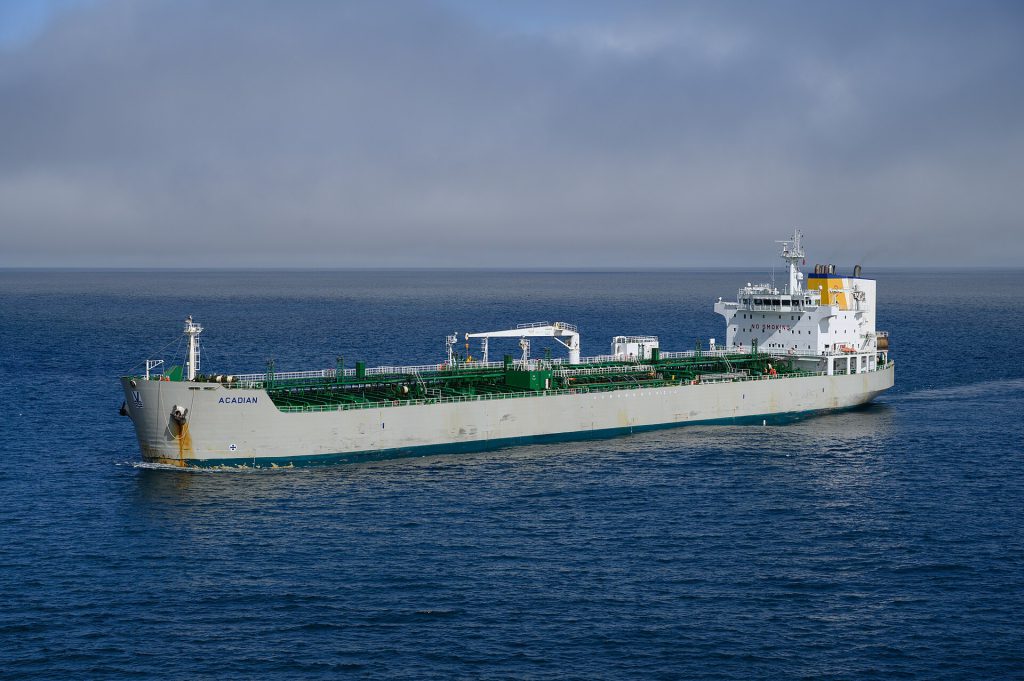
On Saturday, the IRGC claimed that a supertanker carrying over two million barrels of crude oil caught fire after striking a mine while traveling an unauthorized route. Iran’s state-run Press TV shared footage of the burning vessel. In response, US Central Command (CENTCOM) disputed the mine claim, stating that it had cleared the strait of naval mines and that vessels were being struck by projectiles instead. The US military fact-checked a Thursday incident involving the container ship M/V GFS Pride, asserting it was hit by an IRGC projectile rather than a mine before sinking.
Oil Prices Surge Amid Transit Disruptions
The ongoing violence has had immediate and severe consequences for global energy prices. Brent crude oil touched $110 a barrel for the first time since May, driven by the persistent attacks and broader expectations of an escalating conflict. The situation has been further complicated by Iran-aligned Houthi attacks on Saudi energy infrastructure and the group’s capture of the Bab al-Mandeb strait.
Before the war began on February 28, the Strait of Hormuz accounted for roughly a fifth of global oil and natural gas flows. According to Kpler figures, oil flows through the strait dropped to 11.6 million barrels per day over the seven days leading to October 13. This represents only 68 percent of the 17.1 million barrels per day baseline recorded before the conflict.
Despite the reported attacks, US military officials argue that the waterway remains open and secure. CENTCOM chief Brad Cooper claimed in a video message that 400 ships and 100 million barrels of oil moved through the strait in the past week. He attributed the surge in attacks to the desperation of the IRGC and declared that the strait is controlled by the United States and its regional partners, not Iran.
The US military also highlighted an ironclad naval blockade preventing Iranian exports and imports through its southern ports. Officials claim this blockade has cost Iran $25 billion in oil export income and that the US has recently seized $350 million in Iranian cryptocurrency financing. The UKMTO reported 125 outbound transits and 129 inbound transits over the same week, with dry bulk cargo making up the majority of movements.
Diplomatic efforts have not fully ceased, with messages being relayed between the two parties by regional mediators including Pakistan and Qatar. However, no breakthrough in talks is expected in the near future. President Donald Trump has reportedly ordered the US military to remain prepared for larger attacks after the November 3 midterm elections, with potential options including the use of the GBU-43/B Massive Ordnance Air Blast bomb. Acting Defence Minister Majid Ibn Reza signaled that Iran intends to continue its attacks, stating that Iranian missiles, not US bombs, will determine the future of the war.
Source: Al Jazeera
