


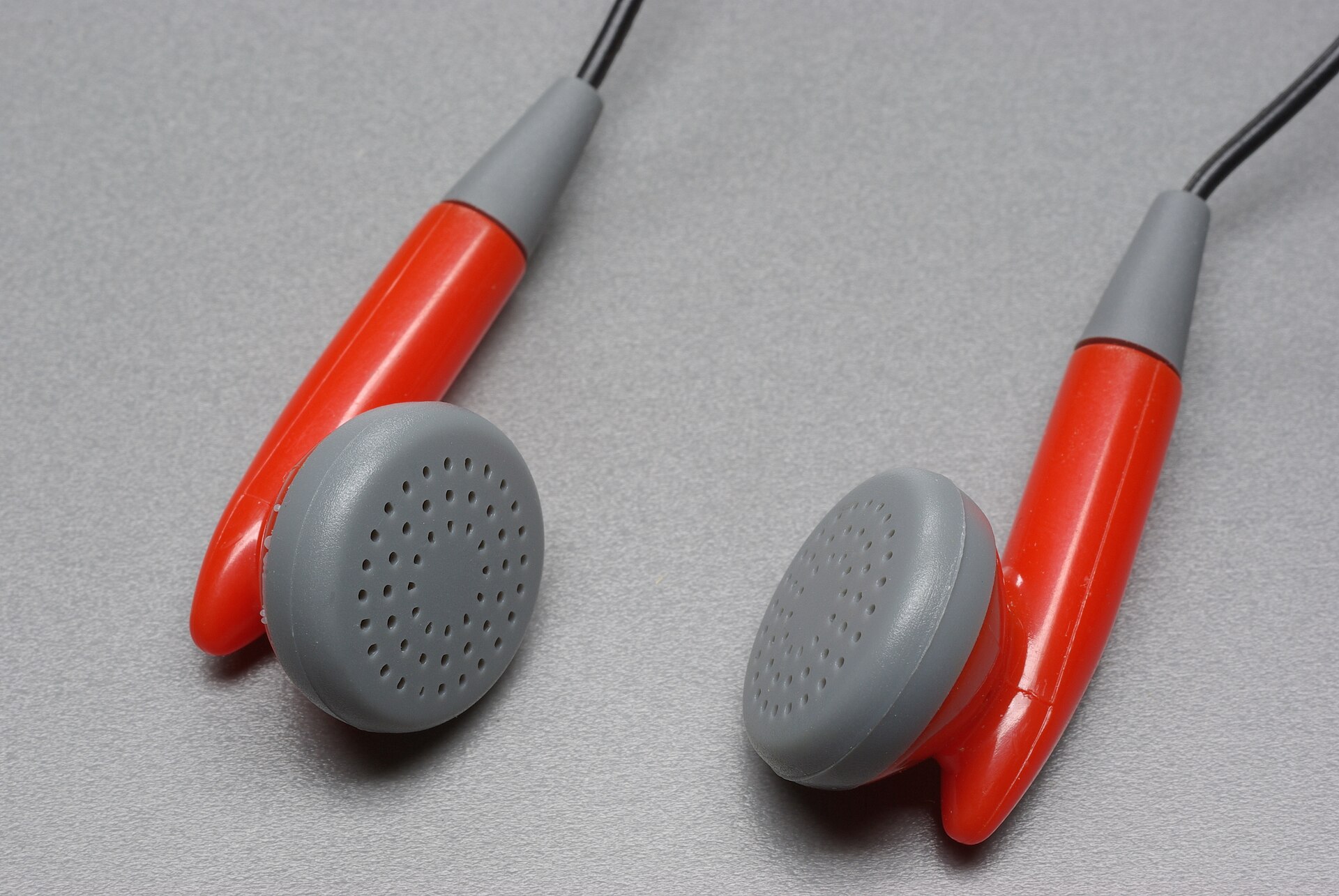
Wired earbuds are experiencing a modest resurgence, driven by a desire for simplicity and a cultural shift among younger consumers who appreciate the nostalgia of physical media. Bose has entered this niche with the new Noise Cancelling Wired Earbuds, a $99 product that combines a direct USB-C connection with active noise cancellation (ANC). This release marks a departure from the company’s previous wired attempts, which relied on bulky inline batteries to power noise reduction features.
Powering ANC Without a Battery Pack
The primary engineering challenge for wired earbuds with ANC is power. Traditional 3.5mm or 4.4mm analog connectors do not supply enough electricity to run active noise cancellation circuits. Previous solutions, such as Bose’s 2013 QuietComfort 20 model, required a separate rechargeable battery pack embedded in the cable. The new Bose earbuds eliminate this bulk by drawing the minimal power required for ANC directly from the USB-C port on the connected device.
This design choice simplifies the user experience significantly. There is no need to charge a separate component or manage multiple devices. Users simply plug the earbuds into a phone, laptop, or desktop computer, and the audio and noise cancellation activate immediately. While other brands like Belkin and Audio-Technica have released similar USB-C wired options, the Bose model aims to offer a more refined implementation of both sound and noise isolation.
Sound Quality and Noise Isolation
Audio performance is a key selling point for these wired earbuds. The connection supports high-resolution audio at 24-bit/48kHz, providing a clearer and more spacious soundstage compared to standard CD-quality streams. In testing, high-resolution tracks of The Beatles’ Rubber Soul sounded noticeably more open than their 16-bit/44.1kHz counterparts. The sound profile features clear, bright vocals and punchy bass that does not overwhelm other instruments.
The active noise cancellation is effective at blocking low-frequency sounds, such as air conditioners and distant traffic. However, it struggles with mid-range frequencies like human conversation. Users will still hear voices in a busy office or cafe, even with ANC enabled. There is also a slight high-frequency hiss when the noise cancellation is active but no music is playing. This artifact is generally only noticeable in quiet environments.
Call quality presents another limitation. The microphone is located on the in-line remote, which tends to pick up significant ambient noise. This makes the earbuds less suitable for phone calls in noisy outdoor environments. Additionally, the microphones are sensitive to wind, which can create distracting whooshing sounds during outdoor use. Turning off ANC in windy conditions is often the best workaround, though this sacrifices the noise isolation benefit.
Comfort and Practical Usability
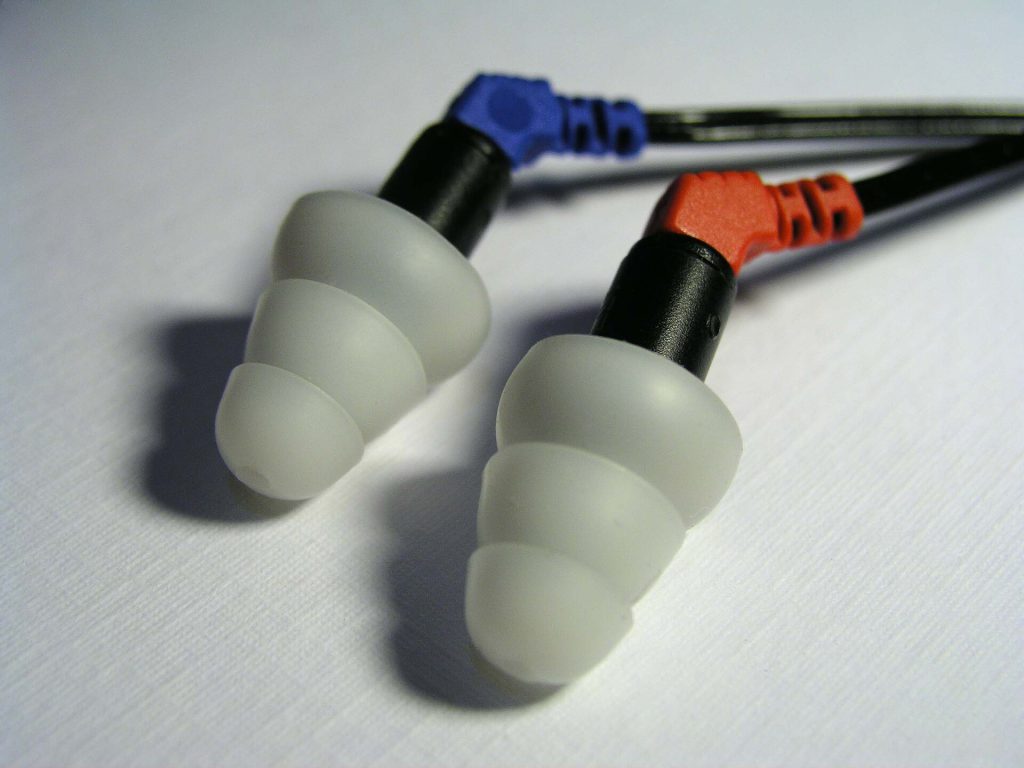
Physical comfort is a strong point for the Bose Noise Cancelling Wired Earbuds. The package includes three sizes of ear tips and two sets of stability wings, allowing users to find a secure fit. The earbuds are rated IPX4, meaning they can withstand light rain or sweat during workouts. The in-line remote features three rubberized buttons for volume, playback, and ANC mode selection, which respond quickly to touch.
However, the long 4.2-foot cable introduces practical frustrations common to wired audio gear. The cable tends to catch on objects such as door handles, keyboard edges, and clothing zippers. This can be distracting in office or home settings. The cable insulation is sufficient to minimize friction noise, but vibrations from the cable rubbing against clothing can still travel to the earbuds. Users must manage the excess cable by coiling it in a pocket or running it under their shirt to avoid these issues.
Despite the convenience of wireless technology, the Bose Noise Cancelling Wired Earbuds offer distinct advantages for specific use cases. The lack of pairing requirements, zero latency for video, and high-res audio support make them a compelling option for desktop users and audiophiles. They represent the best affordable wired option currently available, provided users can tolerate the physical constraints of a long cable.
Source: The Verge
