


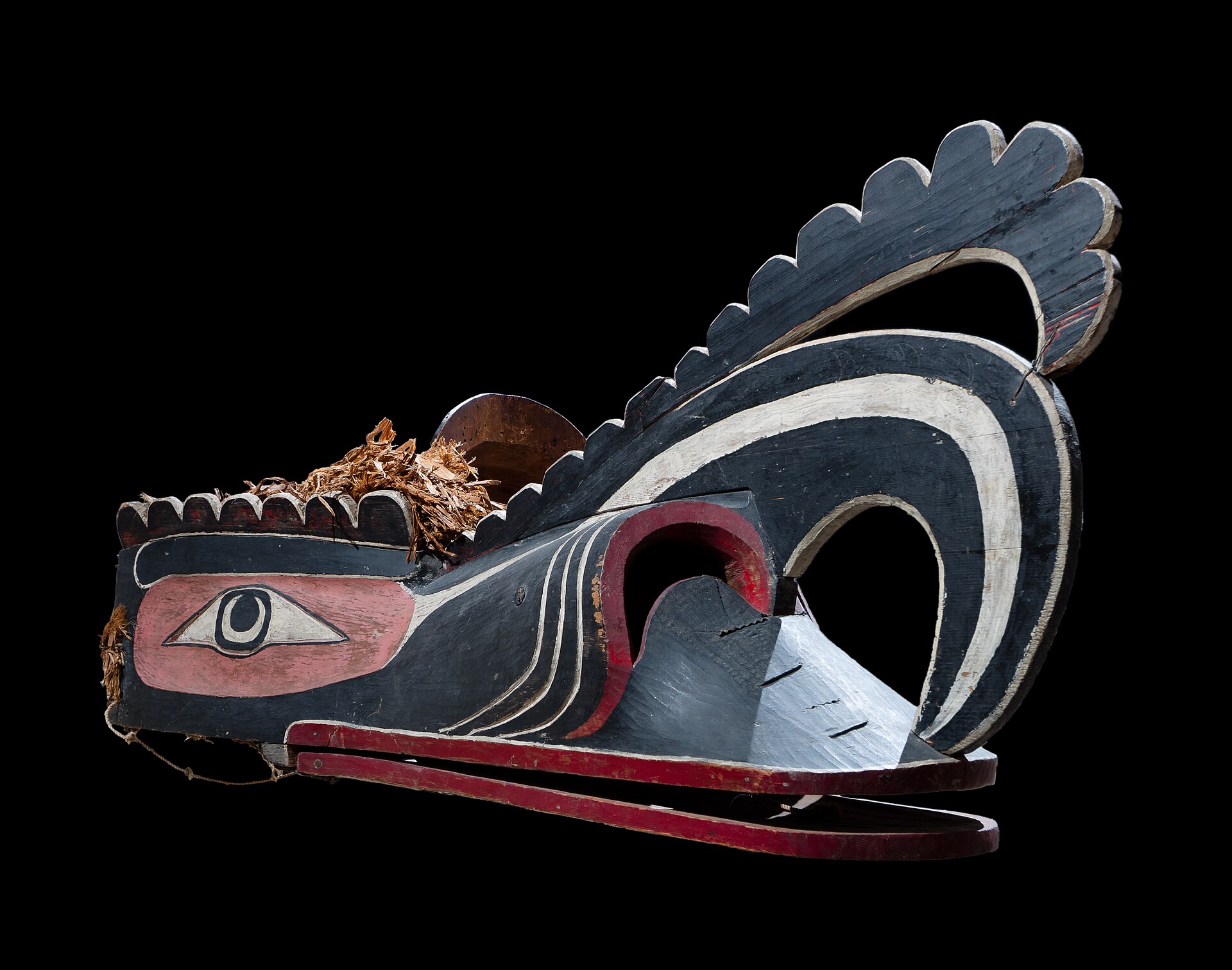
Sally Scales, a Pitjantjatjara artist and chair of the National Gallery of Australia’s First Nations advisory group, has condemned the use of artificial intelligence to replicate Indigenous artwork. She described the resulting products as “Temu slop” and stated that the technology undermines the agency of First Nations artists and the authenticity of their work. Scales characterized the unauthorized use of these designs as a theft of cultural knowledge.
Unauthorized Replication and Cultural Harm
Searches on major online marketplaces reveal countless items described as Aboriginal paintings or featuring Aboriginal-style designs. These products, which include coasters and stubby holders, are often sold without attribution to any specific artist. Scales noted that she frequently encounters works that appear generic or lack the deep community connections inherent in traditional art.
“It’s a theft of the agency of the artist,” Scales said. “It rips the authenticity out of it, because it’s not been made by anyone who has the connection … the artist’s family lineage is not there, the lived experience is not there.”
The National Association for the Visual Arts (Nava) highlighted that Indigenous data sovereignty recognizes the right of First Nations peoples to exercise authority over their cultural material. In a submission to a joint select committee inquiry on artificial intelligence, Nava pointed to work by Terri Janke, a Wuthathi and Meriam lawyer and international authority on Indigenous cultural and intellectual property. Janke has documented instances where AI companies scrape Indigenous art centre websites, remove artist names, and alter their work.
Legal Challenges and Proposed Solutions
Professor Kathy Bowrey, an intellectual property specialist at UNSW Law, explained that one in five creators already faces copyright infringement issues. The situation becomes more complex for First Nations people due to challenges regarding ownership control and respect for Aboriginal culture. Bowrey cited examples where organizations pay to use artwork or images of Aboriginal people, only to later use AI to update or repurpose those images without permission.
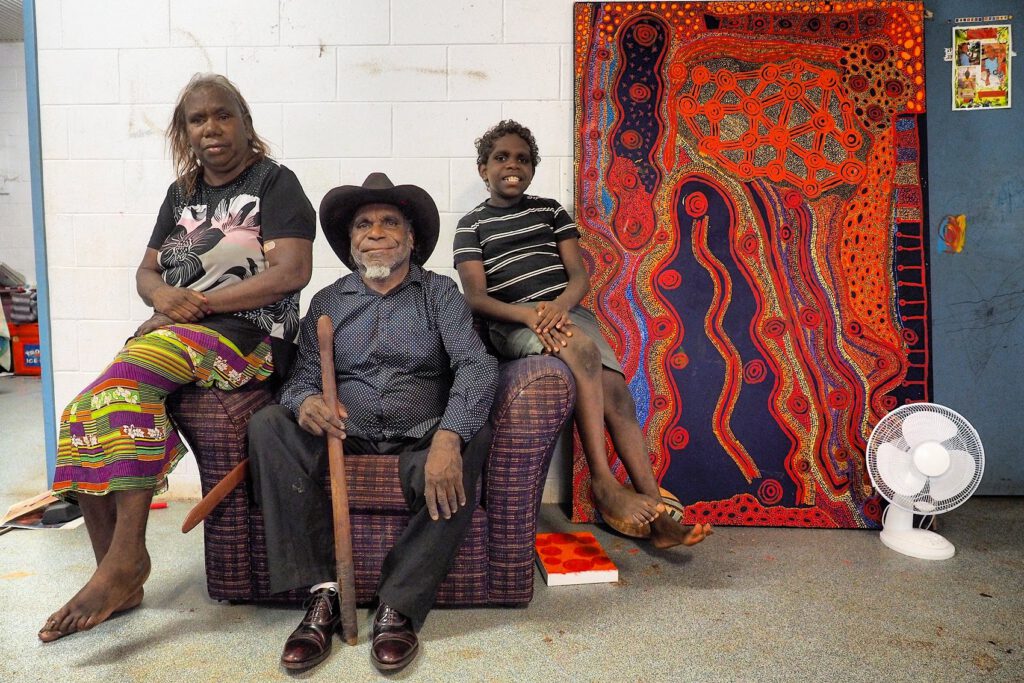
“The corporate client can pay you once and then make unauthorised Aboriginal derivative work and use the faces of the artists without consent,” Bowrey said. “Not only do [the artists] not get the repeat business, but when they go to make new work they’re competing against an AI.”
Bowrey and associate professor Oliver Bown have proposed a Copyright Plus framework to address these issues. The proposal would force AI companies to disclose their data sources and give artists the right to refuse having their work scraped or mimicked. They also suggested imposing a levy on AI companies to create a fund for creative professionals and allowing takedown notices for fake content.
Despite Prime Minister Anthony Albanese’s vow to protect Australian creatives from copyright theft, AI systems have already been trained on the works of well-known artists without compensation. A spokesperson for the attorney general stated that the government is committed to supporting creatives and is consulting with creators, media organizations, and AI companies to ensure future copyright changes deliver meaningful control and fair compensation.
Source: The Guardian
