


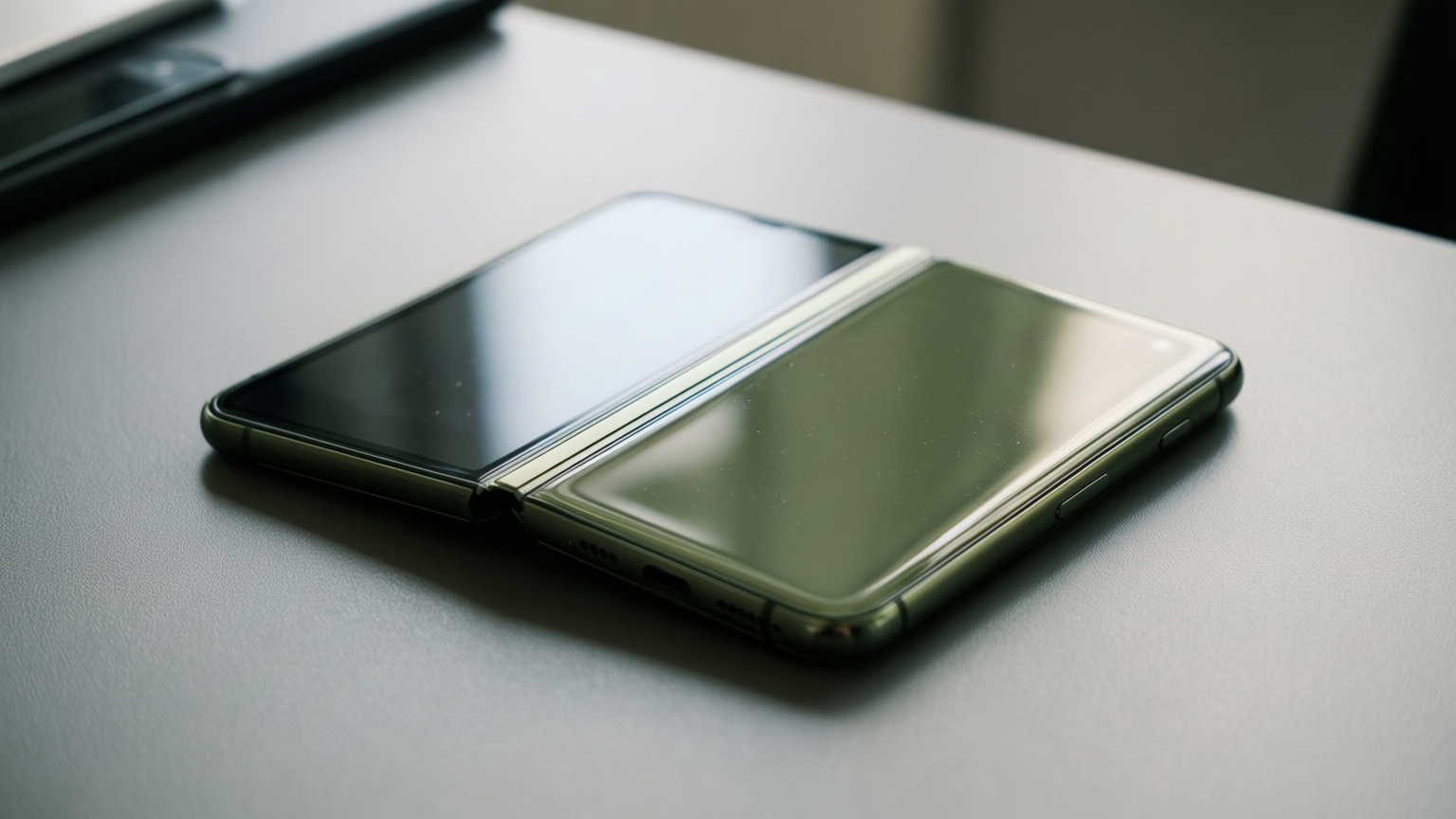
Google has released the Pixel 11 Pro Fold, a device that maintains the company’s traditional rectangular form factor while the broader market shifts toward wider, tablet-like designs. While competitors and Apple’s upcoming iPhone Duo explore expansive unfolded screens, Google has chosen to refine its existing approach rather than reinvent the wheel. The result is a device that feels familiar to owners of last year’s model, with incremental upgrades in weight, brightness, and durability.
Design and Durability Upgrades
The most noticeable physical change is the reduction in mass. The Pixel 11 Pro Fold is 19 grams lighter than the Pixel 10 Pro Fold. It also measures 5mm thick when unfolded, a slight improvement over the previous 5.2mm, and 10.1mm when folded, down from 10.8mm. These changes are present on the spec sheet, but the difference is subtle enough that users holding both devices might not feel a dramatic shift in hand feel.
Google claims the new device is three times more durable than its predecessor. This increased resilience comes from a new glass-ceramic cover and a glass-fiber composite back cover designed to absorb impact. The hinge has also been reinforced, which adds to the sturdiness but comes with a functional trade-off. The hinge is now too tight to unfold the phone with one hand, a design choice that prioritizes structural integrity over convenience.
The outer display has seen a brightness boost, peaking at 3,600 nits compared to the 3,000 nits of the previous generation. This allows for better visibility in bright outdoor conditions. However, the inner screen still features a visible crease. While some competitors have managed to minimize this feature, the crease on the Pixel 11 Pro Fold remains pronounced, particularly under bright lighting due to the lack of a reflective display coating.
Camera Performance and Software
Google continues to apply the “Pro” label to this foldable, a decision that draws scrutiny given the camera hardware. The main sensor remains a 48-megapixel unit, but it has been updated to let in more light for improved detail. Google has also increased the Super Res Zoom capability from 20x to 30x. Despite these updates, the cameras do not match the quality of the standard Pixel 11 Pro. The ultrawide and telephoto sensors are similar to last year’s device, offering little improvement over previous iterations.
Software features include “Looks,” which applies tone presets to images, and “Magic Capture,” which selects the best frames from video clips. This is particularly useful for capturing moments with pets or children. On the software side, the device supports multitasking that allows two apps to run side by side. Google’s own Gmail app takes advantage of the screen real estate by displaying the inbox on one side and the selected email on the other. However, third-party apps like Slack do not yet support this split view, highlighting a gap in Android’s foldable ecosystem compared to the rapid updates seen in other platforms.
The Gemini AI assistant has received muted updates this year. The “Magic Cue” feature provides timely suggestions within apps, and the “Rambler” feature allows users to reply to messages and take notes without using the on-screen keyboard. These features aim to streamline interaction, though they represent an evolution rather than a revolution for the AI suite.
Market Position and Pricing
The Pixel 11 Pro Fold is priced at $1,899. This places it in direct competition with the Samsung Galaxy Z Fold 8, which shares the same price point. The device is also positioned just below the new iPhone Duo, which costs approximately $100 more. In the U.S., the taller Galaxy Z Fold 8 Ultra starts at $2,099, offering a higher-end alternative for those willing to spend more.
At this price, the Pixel 11 Pro Fold is best suited for existing Pixel fans who want a foldable device. It may not appeal to first-time foldable buyers who might be drawn to the wider formats offered by competitors. The device also faces increasing competition in Europe, where companies like Xiaomi and Honor are preparing to release their own wide-format foldables. Google’s decision to stick to a rectangle design means it must rely on its software ecosystem and brand loyalty to maintain relevance in a market that is rapidly diversifying its form factors.
Source: TechCrunch
