


Mohammed Ashim has spent four years cutting hair and trimming beards in Bengaluru. Recently, the 22-year-old has added a new requirement to his routine: strapping a camera to his head. The device records only his hands and fingers. Client faces are blurred out to protect their identity.
The process demands discipline. Ashim must keep his hands inside the frame, ensure sharp lighting, and avoid tilting his head abruptly. He earns extra money for the effort, but says the novelty of contributing to a global tech project keeps him motivated.
Ashim is one of hundreds of thousands of workers worldwide paid to record their activities. Companies like Rashdan Technologies and Humyn Labs collect this video. They sell the footage to technology firms and research organizations. The goal is to train physical AI, a type of artificial intelligence designed to control robots in the real world.
Physical AI Requires Real World Data
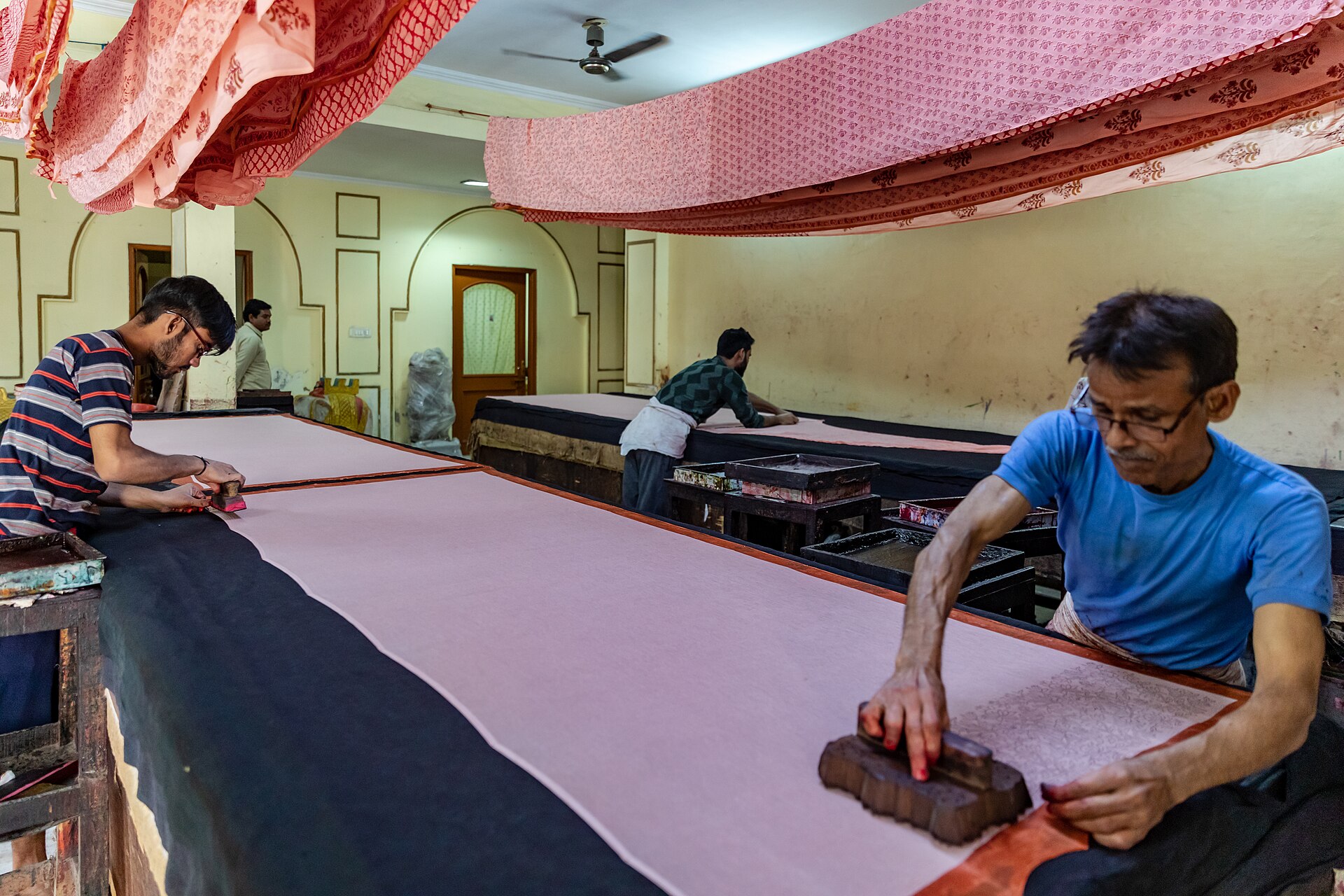
Shahil Baig, co-founder and CEO of Rashdan Technologies, says robotics companies need specific data. They want footage of industrial tasks, agriculture, household chores, and small business work like pottery or garment making. His company pays workers between $5 and $10 for eight to 10 hours of recorded work.
Privacy is a key concern for these data collectors. Baig states that his firm records hands, not faces. Where multi-camera rigs capture more of the body or environment, faces are blurred. No names or contact details are included in the data handed off to clients.
Manish Agarwal, founder of Humyn Labs, argues that robots cannot learn solely from computer simulations. Physical tasks require high-quality signals involving limb movements, finger dexterity, and dynamic force application. For example, a robot must know how much grip force to apply so it does not crush a plastic bottle or fail to lift a steel glass.
Agarwal notes that there is no existing internet archive of embodied human activity. Datasets of kitchen cleaning or car assembly by skilled hands do not exist. This data must be captured from scratch in diverse environments. Humyn Labs currently has 96,000 data collectors in Latin America and Southeast Asia.

Economic Drivers and Ethical Concerns
The industry is growing rapidly. Agarwal expects dozens more competitors to emerge in India this year. The demand for footage is high, and workers are willing to participate for extra income.
Mohammed Arman has worked in the textiles industry in Bangalore for ten years. He recently started wearing a head-mounted camera while stitching and cutting garments. He says the work is simple survival. He has a family in Bihar and sends every rupee home. The camera adds extra money for work he already does.
Jolly Arifur, a science teacher in Guntakal, uses the work to supplement her income. She straps a rig-mounted camera to her head while doing domestic chores like scrubbing, cooking, and folding laundry. She earns two to three dollars per hour. She manages both her teaching job and the recording work.
Despite the economic benefits, experts raise ethical questions. Bino Paul, a senior professor at the Tata Institute of Social Sciences in Mumbai, says it is too early to tell if AI will replace these jobs. He warns that if machines do take over, workers will have little recourse. He argues that AI must be viewed as a socio-technical system where ethics are upheld through human agency.
Agarwal believes India must move up the value chain. The country should not just supply raw video footage. It needs to own the pipeline that cleans, structures, and validates the data. This shift would help the country set standards for high-quality training data rather than remaining a mere supplier.
Source: BBC
