


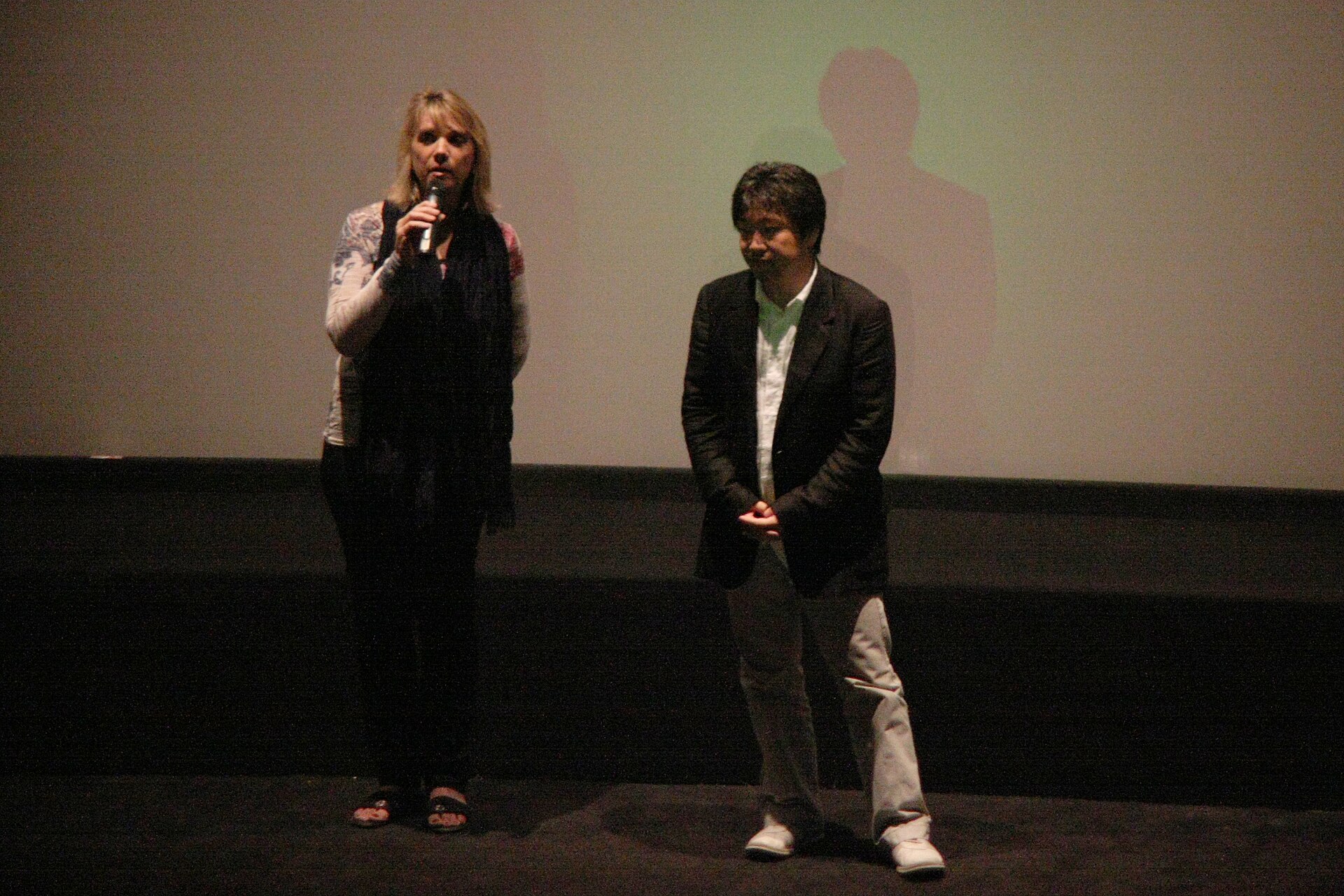
Director Kore-eda Hirokazu recently engaged in an experiment with generative artificial intelligence while working on his Cannes Film Festival entry, Sheep in the Box. He submitted the screenplay to a chatbot, nicknamed Chat-kun, to gather feedback. After several rounds of interaction, he concluded that the machine’s suggestions were technically correct but ultimately useless for his creative process. He decided to cut ties with the AI, choosing to rely solely on human perspective for his filmmaking.
Sheep in the Box and the Limits of Algorithmic Feedback
Sheep in the Box is set in the near future and explores the grief of a couple who lose their seven-year-old son. They subsequently take in a humanoid robot constructed from the child’s digital data. The film stars Ayase Haruka as Otone, an architect who becomes deeply attached to the robot, and Yamamoto Daigo as her husband Kensuke, who maintains that the entity is merely a machine.
Kore-eda shared the script with the AI because of the movie’s subject matter. The chatbot offered praise and suggested improvements, such as fleshing out the protagonist’s mother. Kore-eda noted that while the advice was logically sound, it felt boring. He observed that many modern films follow similar predictable patterns, like action sequences that arrive exactly when expected, creating a sense that a computer is serving as the model for the narrative.
The director determined that the chatbot had never lived a life that required cinema. While it holds vast amounts of film data, it lacks a personal film history. It has no experience of being hooked on a movie that changes one’s life or learning to appreciate quality through trial and error. Kore-eda argued that the opinion of someone with a personal connection to film leads to more interesting work than the output of a machine.
Human Side of Filmmaking at Singapore International Film Festival
Kore-eda is currently receiving the Cinema Honorary Award at the Singapore International Film Festival. He stated that the question of what humans should do in filmmaking is misplaced. He believes that robots may eventually surpass people in technical ability, but audiences will still be moved by human-made art. He compared this to the Olympic 100-meter race, which remains popular not because it is necessary, but because it is fun. He intends to keep AI out of his process as much as possible to stand on the human side.
The festival is also screening Look Back, a live-action adaptation of a manga by Fujimoto Tatsuki. The story follows two students who bond over drawing manga and their friendship as they face grief in adulthood. Kore-eda first read the manga during the pandemic when his work had stopped. He said it pushed him back into filmmaking, feeling a sense of encouragement from the producers and actors who have since passed away.
He noted that both Sheep in the Box and Look Back deal with how people face the dead. Despite the international attention on Japanese cinema, he highlighted challenges in the domestic market. Anime accounts for roughly 70% of the box office, while independent arthouse cinemas are closing. He expressed concern about how the next generation of filmmakers will develop without these venues.
Reflecting on his career since his debut feature Maborosi, Kore-eda said the biggest change has been realizing that it is okay to be free. He continues to prioritize human connection and personal history in his work, rejecting the efficiency of AI in favor of the messy, meaningful process of human creation.
Source: Variety
