


Microsoft has released a new set of updates for Windows 11 designed to improve system responsiveness, with a specific focus on devices equipped with limited memory. The company stated that these changes can make the operating system up to 20 percent more responsive by refining how it handles memory allocation and management.
Memory Efficiency Improvements
According to Navjot Virk, corporate vice president of Windows Experiences, the updated operating system can now retain up to 2GB more of active data in memory. This adjustment prevents the system from moving frequently used information to slower storage drives, which helps maintain speed as users open additional applications or browser tabs. Virk noted in a blog post that these changes are particularly beneficial for PCs with 8GB of memory, a segment that often struggles with performance bottlenecks.
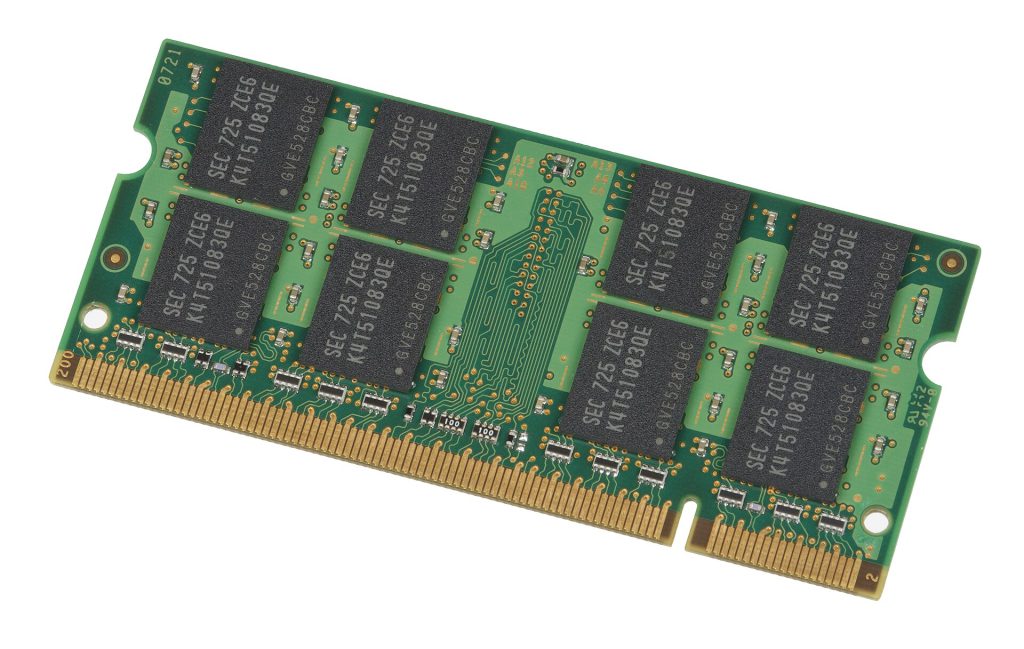
The timing of these improvements coincides with a broader industry challenge. The cost of upgrading personal computer RAM has risen significantly, driven largely by high demand from AI data centers. Microsoft, which is heavily invested in artificial intelligence infrastructure, has acknowledged the strain on consumer memory markets. These software optimizations represent an effort to mitigate the impact of hardware price increases for average users.
To further conserve resources on machines with 8GB of RAM or less, Windows 11 will now only load widgets when a user explicitly opens them. Microsoft claims this change frees up more than 200MB of memory for other tasks, allowing the system to allocate resources more efficiently during everyday use.
Enhanced Connectivity and App Performance
Beyond memory management, the update addresses several connectivity and usability issues. Microsoft has improved the reliability of Bluetooth connections, making it faster and easier to pair AirPods with Windows devices. Additionally, the company has refined Windows Hello, the facial recognition login system, to make the authentication process faster and more reliable for users.

Windows Insider testers are also getting access to a revamped Photos app. The new version features an updated gallery that aggregates images from local storage, OneDrive, and iCloud into a single view. Microsoft reports that the built-in editor now loads 25 percent faster, while the native viewer has seen a 30 percent improvement in load times.
Insiders can also test the AI-powered Search feature, which Microsoft is expanding into a chatbot-like interface. This tool allows users to perform thousands of actions directly through the search bar, integrating system controls and application functions into a single conversational experience. These features were previously unveiled to testers and are now being refined for broader deployment.
The rollout of these updates marks a shift toward optimizing software for existing hardware rather than requiring users to purchase new components. As memory costs remain elevated, these efficiency gains provide a practical solution for maintaining system performance on older or budget-friendly machines. Microsoft continues to push these changes to all users following successful testing phases with the Windows Insider program.
Source: Engadget
