


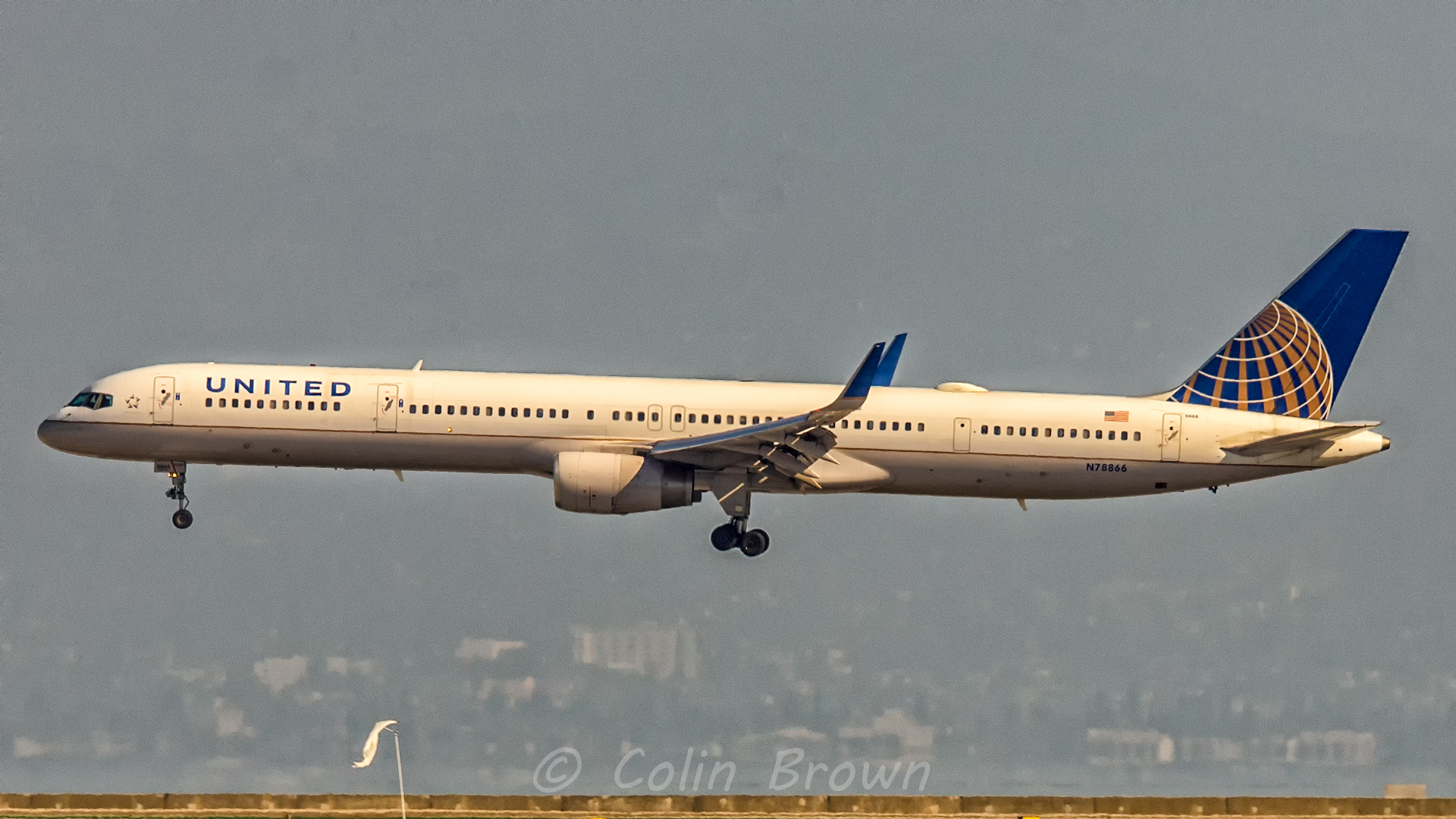
United Airlines announced Wednesday that it will restrict access for third-party personal AI agents, marking the first explicit move by a major U.S. carrier to block these automated tools from booking flights. The policy applies to United’s own digital platforms as well as indirect access through online travel agencies and aggregators.
Scott Kirby, United’s chief executive, stated that the airline is taking steps to prohibit unauthorized AI assistants from accessing its systems. The carrier cited consumer safety and regulatory compliance as primary drivers for the decision.
Security and Regulatory Concerns
United said that sharing account credentials with third-party AI tools can expose sensitive customer information. The airline also raised concerns that automated agents could trigger unintended purchases, unauthorized account changes, or unwanted MileagePlus redemptions.
Regulatory compliance presents another significant hurdle. United pointed to Federal Aviation Administration and Department of Transportation rules that require human confirmation for certain actions. For example, check-in procedures often require a person to verify that checked bags do not contain banned substances such as explosives. Automated AI purchases could bypass these mandatory safety checks.
The airline plans to update its Digital Trust Center to explain the restrictions in detail. United stated it would evaluate the policy as personal AI assistants evolve, suggesting the rules may change as the technology matures.
Industry Context and Competitor Responses
The move comes as consumer AI assistants expand into travel booking. Meta CEO Mark Zuckerberg recently called travel a top use case for its Muse AI assistant. OpenAI acquired AI travel agent Odessia on Tuesday, signaling strong interest in the sector. Southwest Airlines also launched a ChatGPT plug-in for flight search earlier this year.
Other carriers have expressed hesitation. Delta CEO Ed Bastian said he is cautious about AI agents in booking. Kirby told The Wall Street Journal at a Chicago event that he does not want to create another middleman in the travel process.
United’s decision highlights the tension between automation and security in the travel industry. As AI tools become more capable, airlines must balance convenience with the need to protect customer data and ensure regulatory compliance.
Source: Skift
