


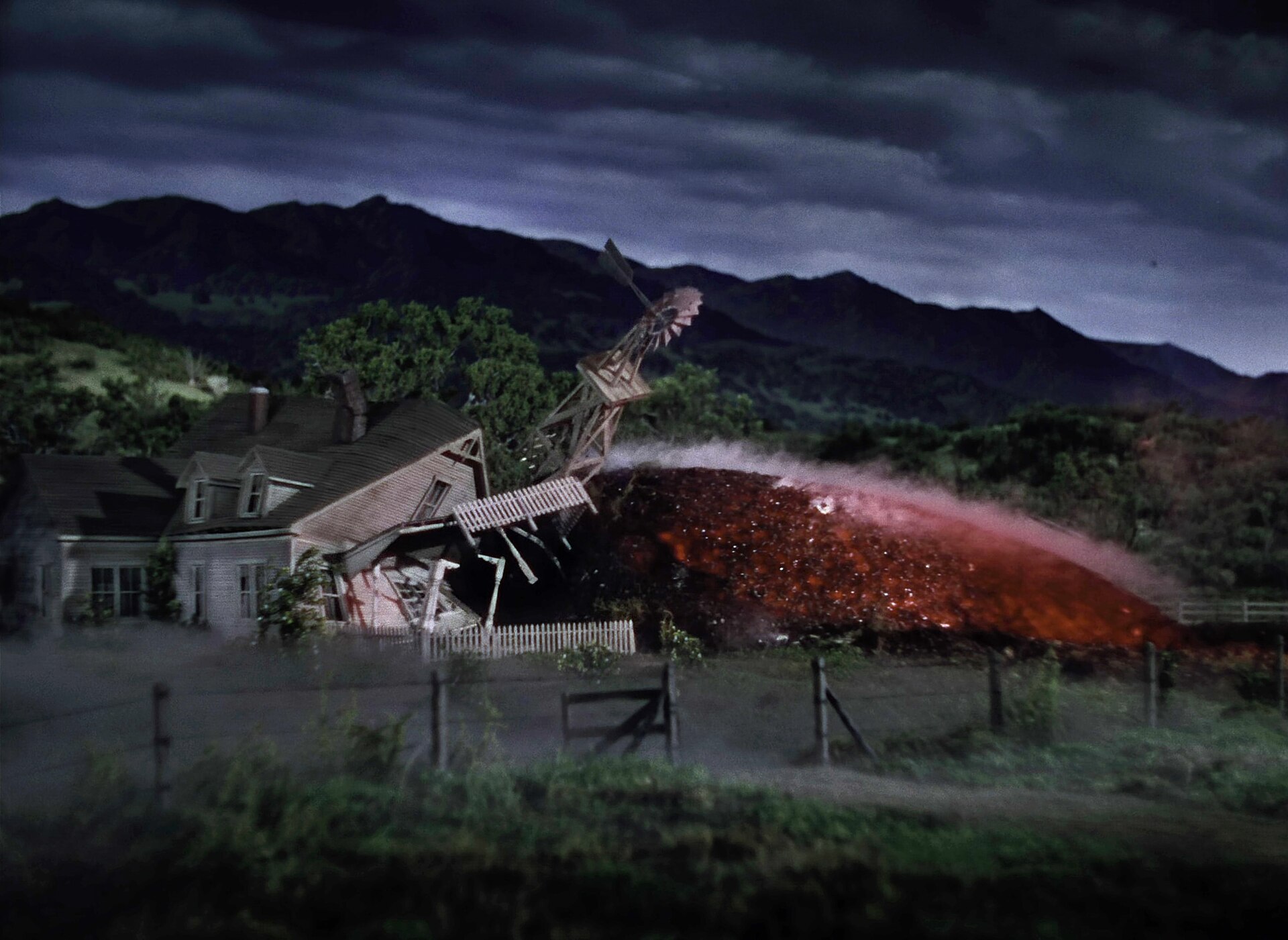
The 1953 film adaptation of H.G. Wells’ War of the Worlds is currently available to stream for free on YouTube. The colorized version of the classic science fiction movie offers a chance to watch the foundational alien invasion story ahead of Halloween.
This release comes at a time when the source material is facing renewed scrutiny. A recent 2025 adaptation, described as a “screenlife” movie, has been widely criticized for its production choices and its final act, which functions as an advertisement for Amazon drone delivery. That film has been labeled by some critics as a contender for the worst film of the 21st century, creating a strange capstone to the long history of adapting Wells’ 1898 novel.
1953 Film Details and Cast
The 1953 version, directed by Byron Haskin and written by Barré Lyndon, shifts the setting from 1890s England to 1950s California. It stars Gene Barry as Dr. Clayton Forrester and Ann Robinson as Sylvia. The film accelerates the pace of Wells’ original story, turning it into an 85-minute war movie rather than a slow-burn tale of near-collapse.
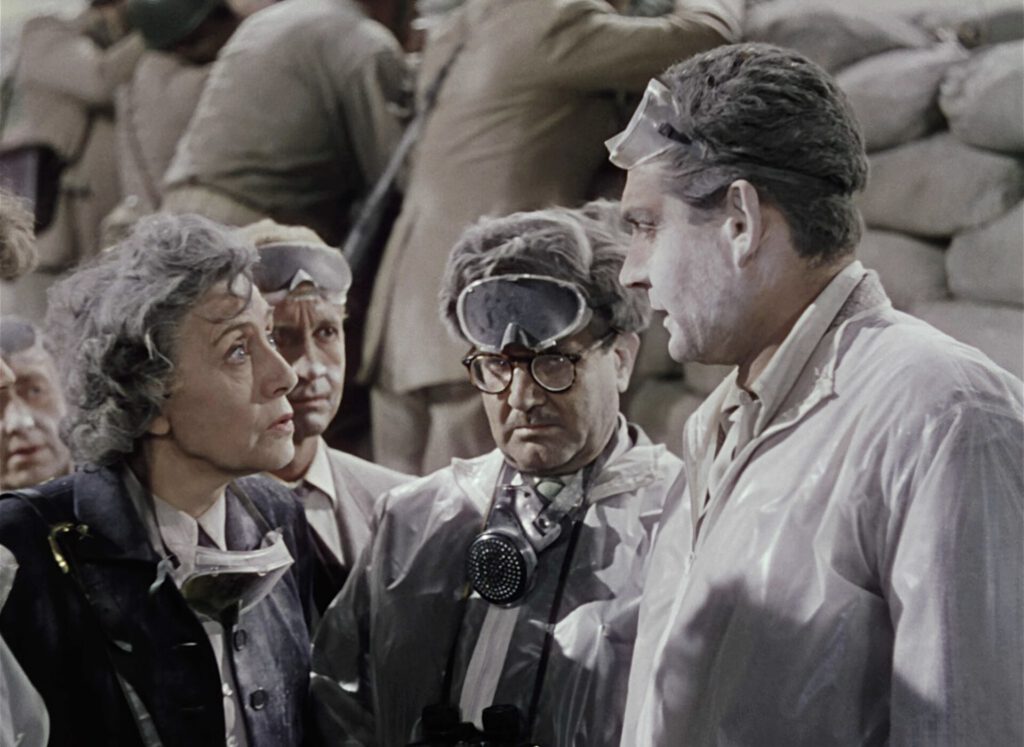
Dr. Forrester is a physicist who investigates a meteor that has landed near a small town. He deduces the object is hollow but too hot to approach. The meteor soon reveals itself as an alien cylinder from Mars, equipped with electronic eyes on flexible metal stalks. When three locals attempt peaceful contact, the cylinder incinerates them with a heat ray. The Martians do not seek miscommunication; they intend to wipe out human life.
After the U.S. Army suffers a disastrous initial exchange, Forrester and Sylvia flee the scene. The military leaders move quickly and listen to reason, yet they have no chance against the invaders. Reports from outside the United States show other nations losing cities and battles, swept off the map by the cylinders.
Legacy and Cultural Impact
The character of Dr. Clayton Forrester has left a lasting mark on pop culture. The name was later used for the mad scientist character in the television series Mystery Science Theater 3000, a direct nod to this specific role.
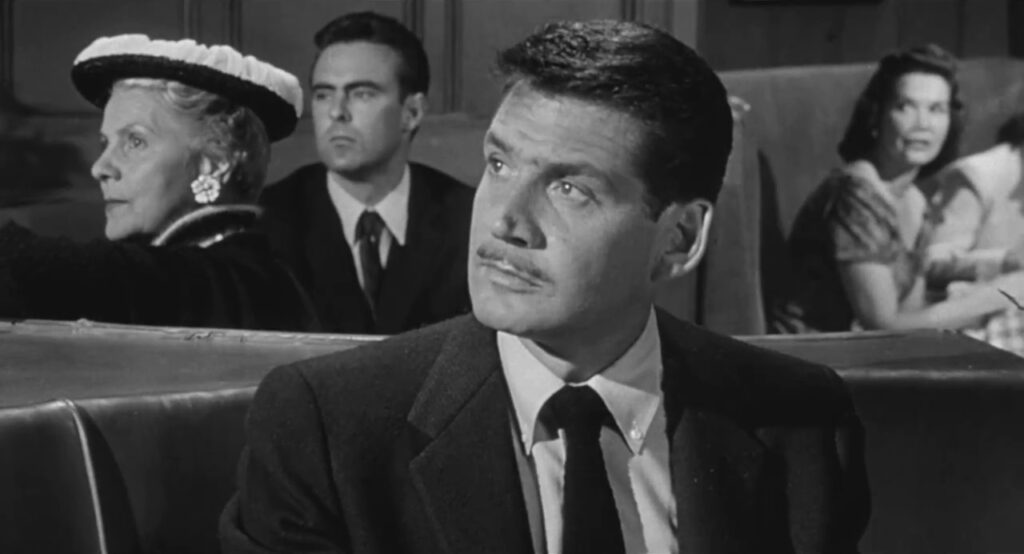
While the special effects are considered quaint by modern standards, they were groundbreaking at the time of release and earned the film an Academy Award. The effects include people flashing and disappearing, replaced by man-shaped piles of ash. The Martians wield their heat rays with a casual efficiency that adds to the horror.
The film captures a bleak power that resonated during the Cold War era. It functions less as a traditional war movie and more as a disaster film where the disaster is winning. The narrative emphasizes the helplessness of humanity against an invincible force, a theme that has cemented the movie’s status as a sci-fi and horror classic.
Wells’ novel is often credited with cementing the alien invasion concept in the Western canon, though it was not the first of its kind. The 1938 radio play by Orson Welles remains the most famous adaptation, having triggered panic by convincing some listeners it was a live news broadcast. Other creators, including Steven Spielberg and the Asylum, have also attempted their own versions.
The 1953 film is currently free and colorized on YouTube. It provides an option for viewers looking for an old-school alien invasion story for their Halloween viewing schedule.
Source: Polygon
