


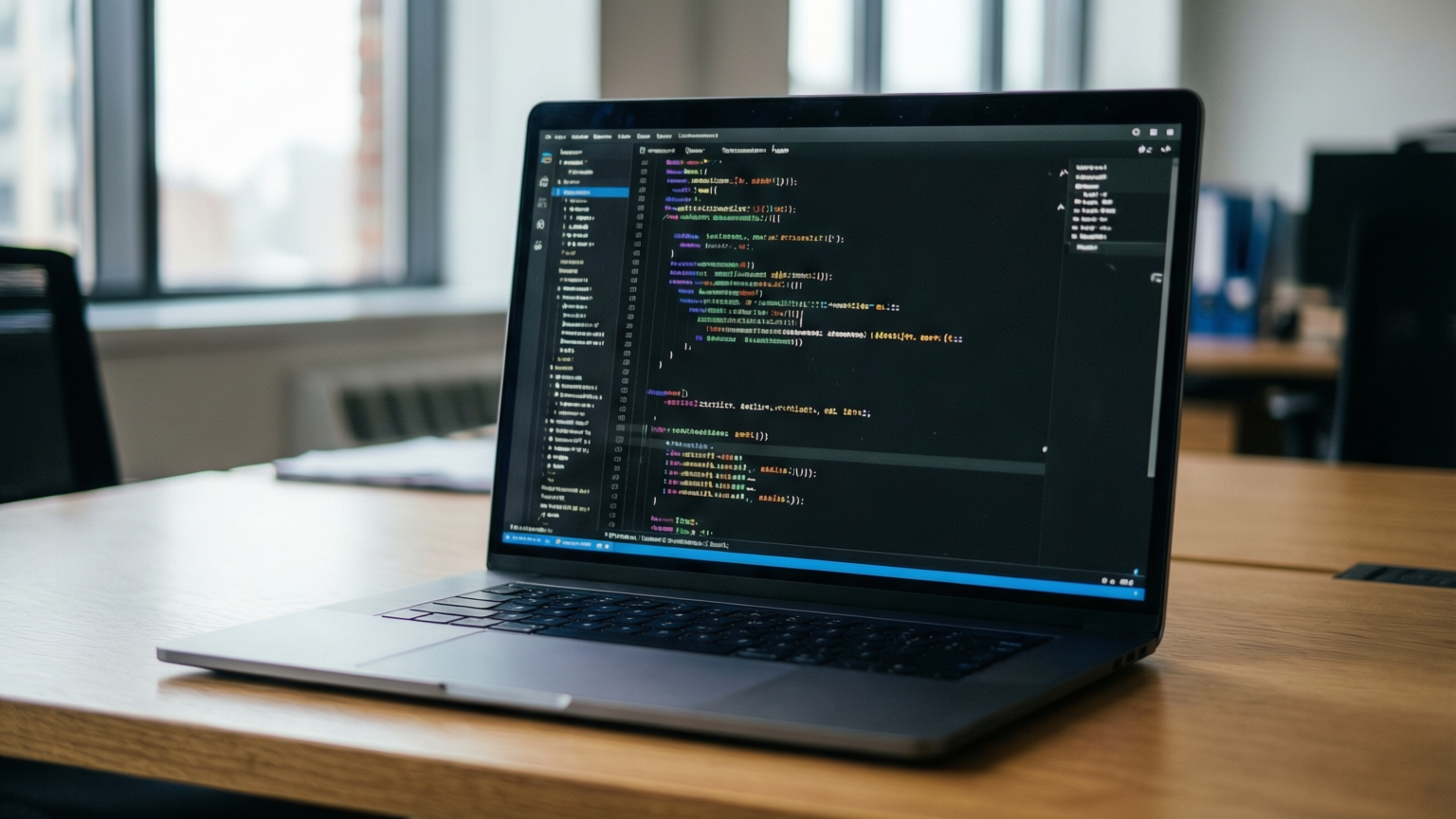
Google has introduced a preview version of a Linux terminal for its Googlebook devices. This update provides users with direct access to command-line tools, aiming to simplify the process of building applications, particularly those involving artificial intelligence.
The new terminal environment includes support for popular programming languages and utilities. Users can now run Python scripts, manage projects with Node.js, track code changes using Git, and connect to remote servers via SSH. These tools are essential for developers who need a robust command-line interface to write and test software.
Security and Virtualization
To ensure system stability, the Linux terminal operates within a dedicated virtual machine. This isolation prevents Linux-based applications from interfering with the main operating system or accessing private files stored on the device. By keeping the Linux environment separate, Google aims to protect user data and maintain the security integrity of the Googlebook platform.
This virtualization approach allows developers to experiment with code and install necessary dependencies without risking the core functionality of their device. It mirrors the security model used in other ChromeOS environments, where containerized applications run in a sandboxed space.
Future Development Plans
Google has outlined several features planned for future updates to the Linux terminal. The company intends to support Linux graphical user interface (GUI) applications, which would allow users to run desktop-style software alongside ChromeOS apps. This expansion would significantly broaden the range of tools available to developers and power users.
Additional improvements include support for USB debugging, which is critical for hardware development and testing. The company is also working on dynamic memory and storage scaling, allowing the Linux environment to automatically adjust its resource allocation based on current workload demands. These changes aim to make the Linux terminal more flexible and efficient for complex development tasks.
The introduction of the Googlebook Linux terminal marks a step toward making Chromebook devices more viable for professional software development. By integrating these tools directly into the operating system, Google reduces the friction previously associated with setting up a Linux development environment on ChromeOS.
Users interested in testing the preview can access the feature through the device settings. Google encourages developers to provide feedback on the terminal’s performance and stability to help shape the final release. The company continues to refine the Linux support on Googlebook to better serve the growing community of AI and software developers.
Source: Android Authority
