


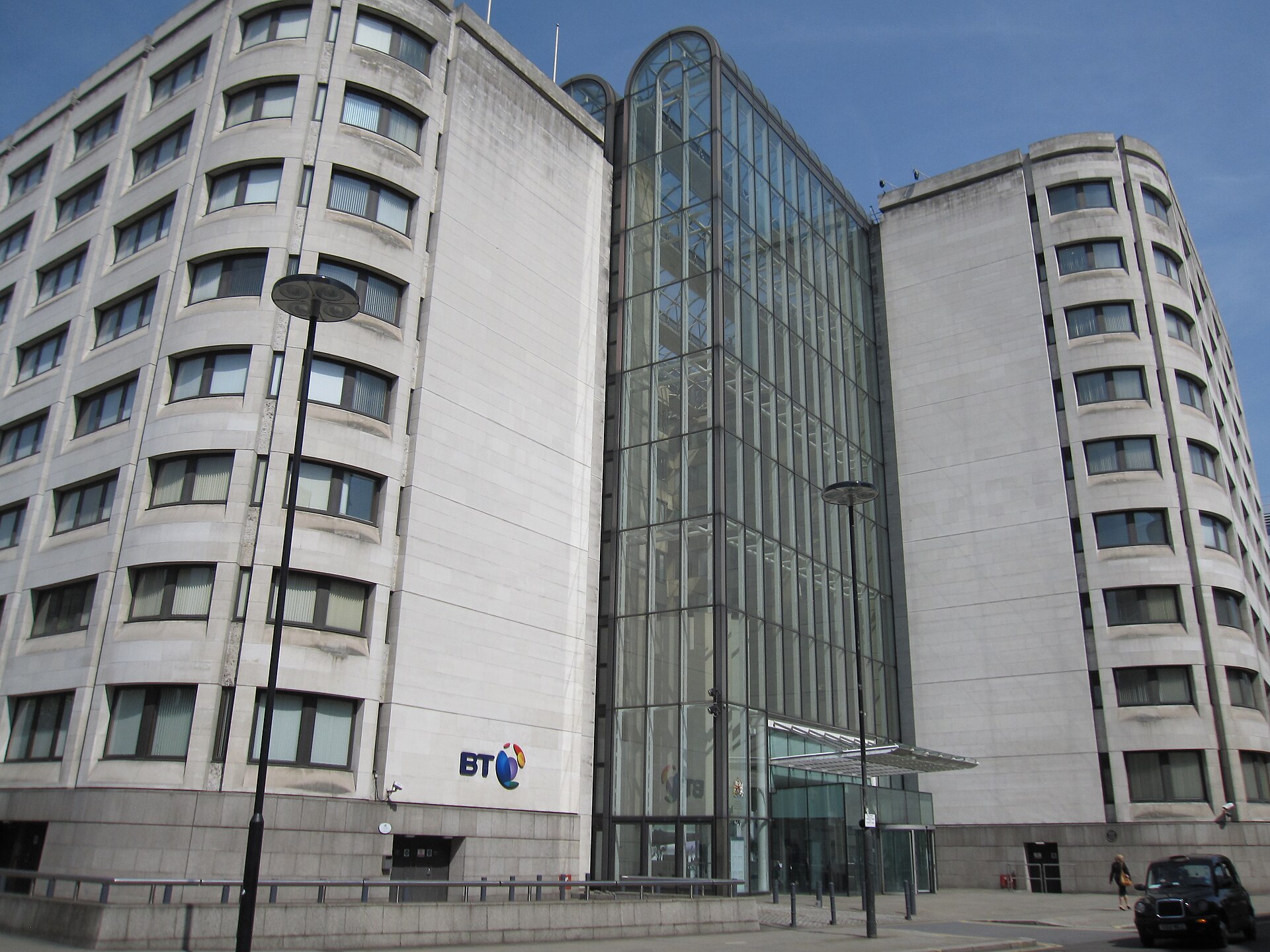
A customer has been charged £32.99 a month for a landline service that stopped working after BT switched them to its Digital Voice platform. The billing continued for over a year despite the line being dead, a situation that ended only after external intervention.
Severed Wire and Failed Repairs
The issue began in May 2025 when BT transitioned the customer’s service to Digital Voice. Weeks passed without a working phone line, and attempts to resolve the issue involved long waits on hold and transfers between departments. By December, two engineers visited the property and identified the root cause: a wire had been severed during the upgrade process.
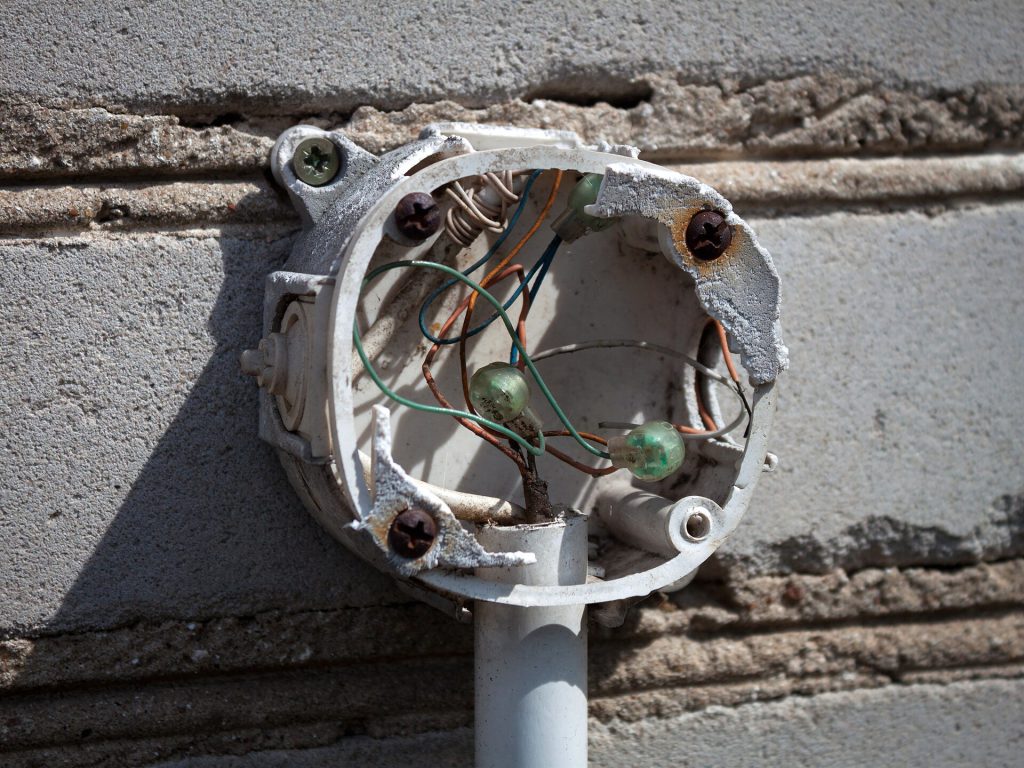
The engineers stated that a cherry picker was required to reconnect the wire to its original location and promised to return. They did not. The customer, who is on the priority register due to serious illness, reported feeling helpless as the line remained inactive. BT claims it was unaware of the problem until the customer complained in December, though the customer insists they had reported it earlier without keeping records.
Billing Dispute and Settlement
BT closed the case in December after the abortive engineer visit. When the customer complained again in January, BT closed that case as well, noting that the landline had been removed from the account even though charges continued. The company states it did not hear from the customer again until a journalist intervened in July.

After the intervention, a complaints manager contacted the customer. BT initially offered £6.46 to make up for the failings. The line was eventually activated in September. The telecoms regulator, Ofcom, requires providers to pay £10.34 in compensation for each day a reported fault is not corrected within two working days. This rule means the customer was theoretically entitled to more than £4,600.
BT resisted this higher amount, arguing that the customer waited months to report the problems. Without proof to contradict this claim, the customer could not force the higher payout. Instead, the customer accepted a settlement of £689 from BT. This amount covers the 60 days without service that BT acknowledges fall within compensation rules, as well as the mishandling of the two complaints on record.

The customer had the option to escalate the matter to the Communications Ombudsman but chose to accept the settlement. The experience highlights the importance of keeping a timeline of interactions with companies and following up on unaddressed complaints promptly and in writing.
Source: The Guardian
