


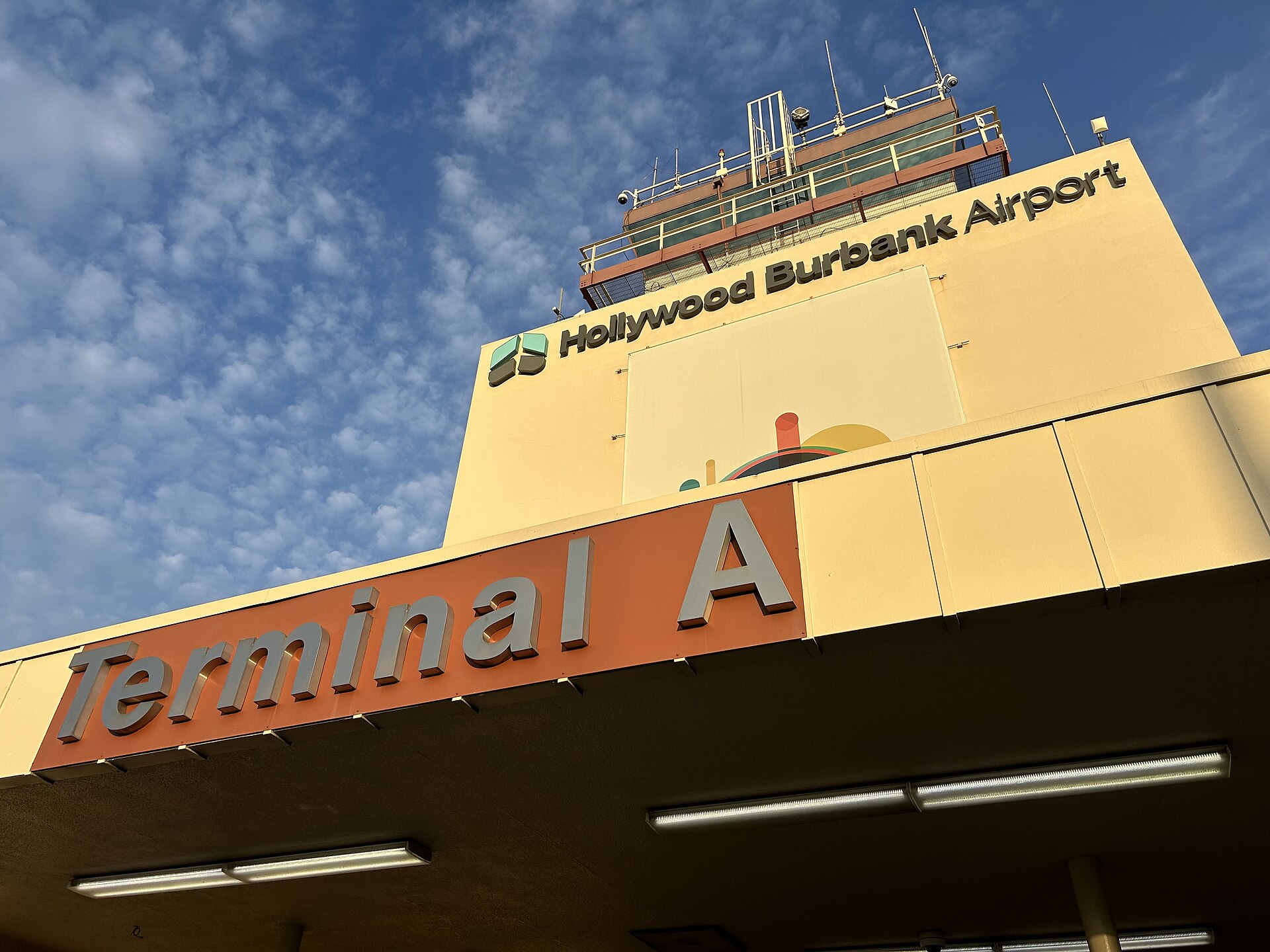
Officials and community leaders gathered on October 5 to cut the ribbon on the new $1.3 billion replacement terminal at Hollywood Burbank Airport. The facility is scheduled to open to the public on October 13, marking the end of an era for the nearly century-old structure that previously served the area.
Burbank Mayor Tamala Takahashi highlighted that the project was completed on time and within budget, a distinction she noted is rare for large infrastructure projects. She emphasized that the new design reflects the community’s desire for a modern facility that retains the charm of the original. Travelers who appreciated the old terminal’s lack of jet bridges and the tradition of walking directly to and from aircraft will find that practice unchanged in the new building.
Architectural Design and Capacity
The 355,000-square-foot terminal was designed by Corgan and CannonDesign. Its materials and architectural features draw inspiration from Hollywood’s history and Burbank’s role in the film industry. The new structure replaces an outdated terminal that was approximately 232,000 square feet and no longer met current seismic, safety, and Federal Aviation Administration requirements.
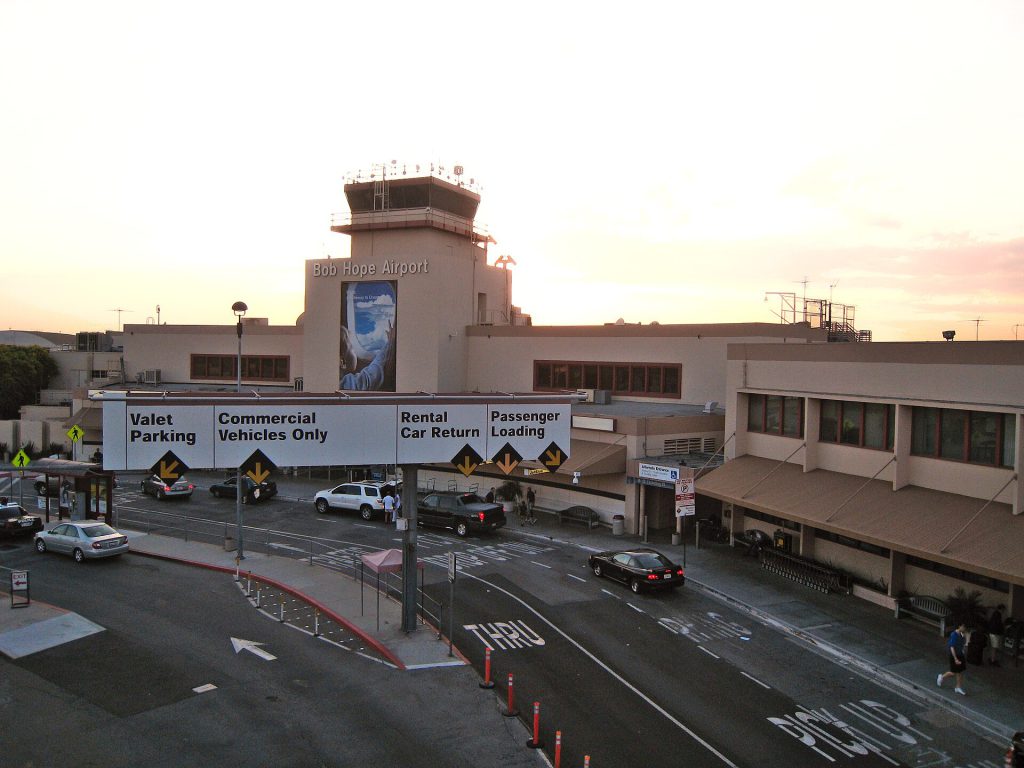
Despite the significant increase in size, the new terminal maintains the same 14 gates as the old one. This cap on growth stems from a development agreement that allowed for the replacement of the unsafe facility but restricted expansion. The layout features a single building with nine gates on one side of the central lobby and five on the other, replacing the previous two-concourse setup.
Comedian and car collector Jay Leno, a noted fan of the airport, attended the ribbon-cutting ceremony. He expressed pride in the facility and joked that the airport should be renamed “not LAX” to highlight its convenience. Leno suggested that the airport’s ease of use should remain a secret to preserve its appeal.
Passenger Experience and Amenities
The new ticketing lobby features soaring ceilings and an open layout, a stark contrast to the low ceilings and cramped spaces of the previous facility. Passengers will find plenty of self-serve kiosks to streamline the check-in process. After clearing the eight-lane Transportation Security Administration checkpoint, travelers walk beneath a massive 30-foot by 40-foot steel mesh and mirrored ribbon artwork titled “When We Reflect” by artist Glenn Kaino.
The terminal includes upgraded restrooms with stall doors that open outward and large oval mirrors in the vanity areas. Brent Kelley, managing principal at Corgan, stated that the design gives a hint of what Hollywood of the past looked like. Additional amenities include a pet relief area, family restrooms, adult changing rooms, and nursing rooms.
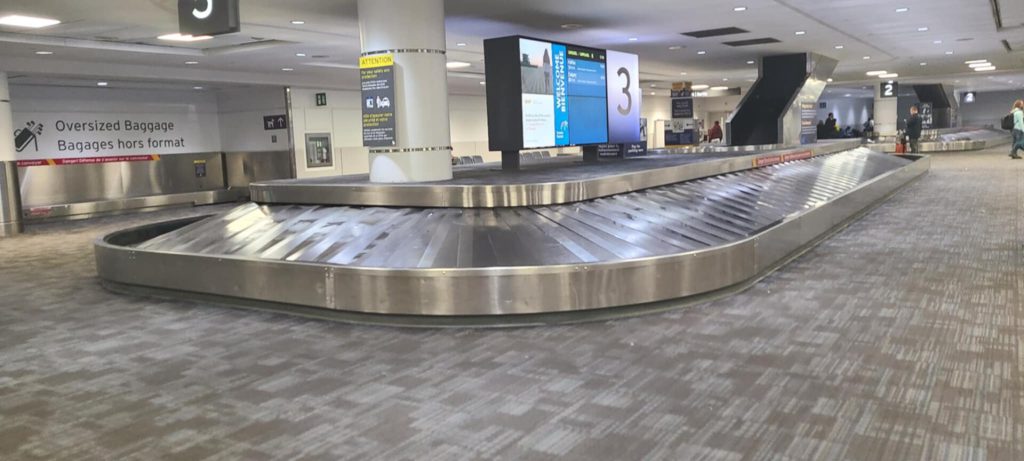
Dining and retail options have expanded significantly. The terminal offers more than a dozen dining spots and half a dozen retail outlets, many featuring local brands. Every seat in the terminal is equipped with a cup holder and power access. Worktables are large and plentiful, also featuring power ports for electronic devices.
Impact on Airlines and Operations
Hollywood Burbank Airport serves more than 6.2 million passengers annually. Eight airlines currently offer direct service to over 30 destinations, including Honolulu, Chicago, and New York City. The new terminal allows Southwest Airlines, the carrier with the most flights at the airport, to operate larger aircraft. Previously, Southwest could only use 137-seat Boeing 737-700 planes. The new facility accommodates the 175-seat Boeing 737 MAX 8, which is quieter and more fuel-efficient.
Andrew Watterson, Southwest Airlines’ chief operating officer, noted that the upgrade is better for the environment and the community while driving more flight options. This includes increased service between Burbank and Honolulu. Southwest flew its “California One” Boeing 737-800, featuring the state flag livery, to the ceremony to celebrate the milestone.
The airport also honors its historical significance. Amelia Earhart used the site, then known as United Airport, as a base in the 1930s. A sculpture outside the terminal titled “The Two Electras” by artist Cliff Garten commemorates her final round-the-world attempt. The artwork consists of two 16-foot-tall ellipses inspired by her Lockheed Electra 10E Special, which was built at the site during World War II.
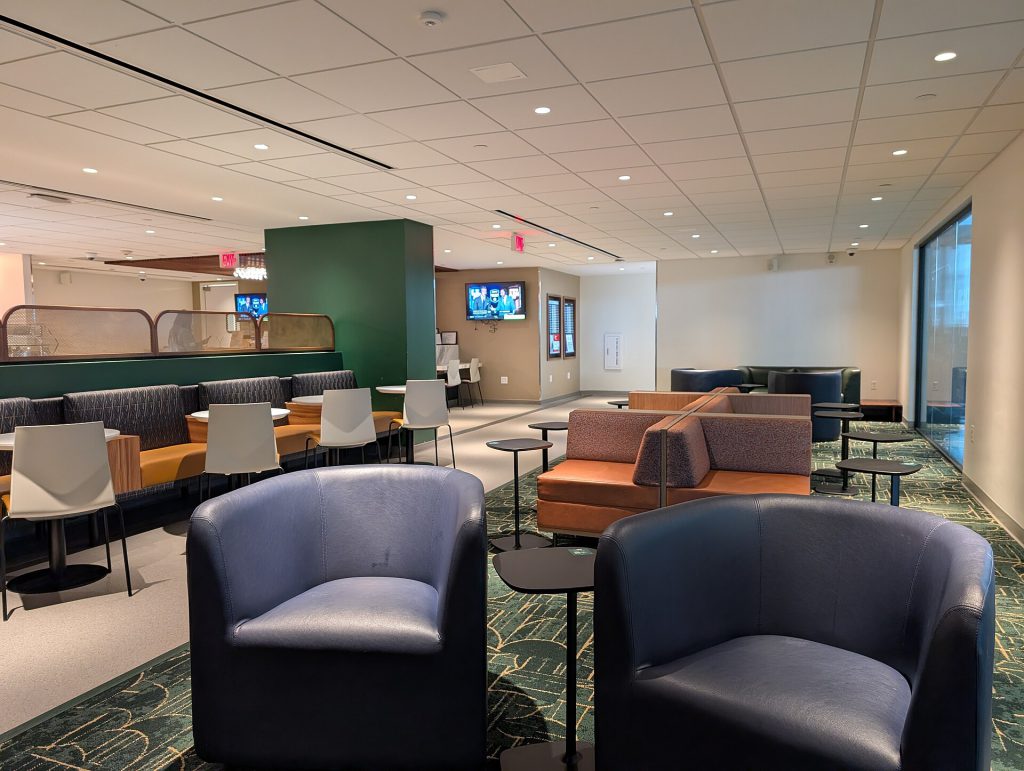
The new terminal features a single central baggage claim area with three modern carousels, replacing the old setup that included an outdoor claim area. The facility stands on the former site of a Lockheed plant that was camouflaged during the war with netting woven by incarcerated Japanese Americans, including members of Glenn Kaino’s family.
Source: The Points Guy
