


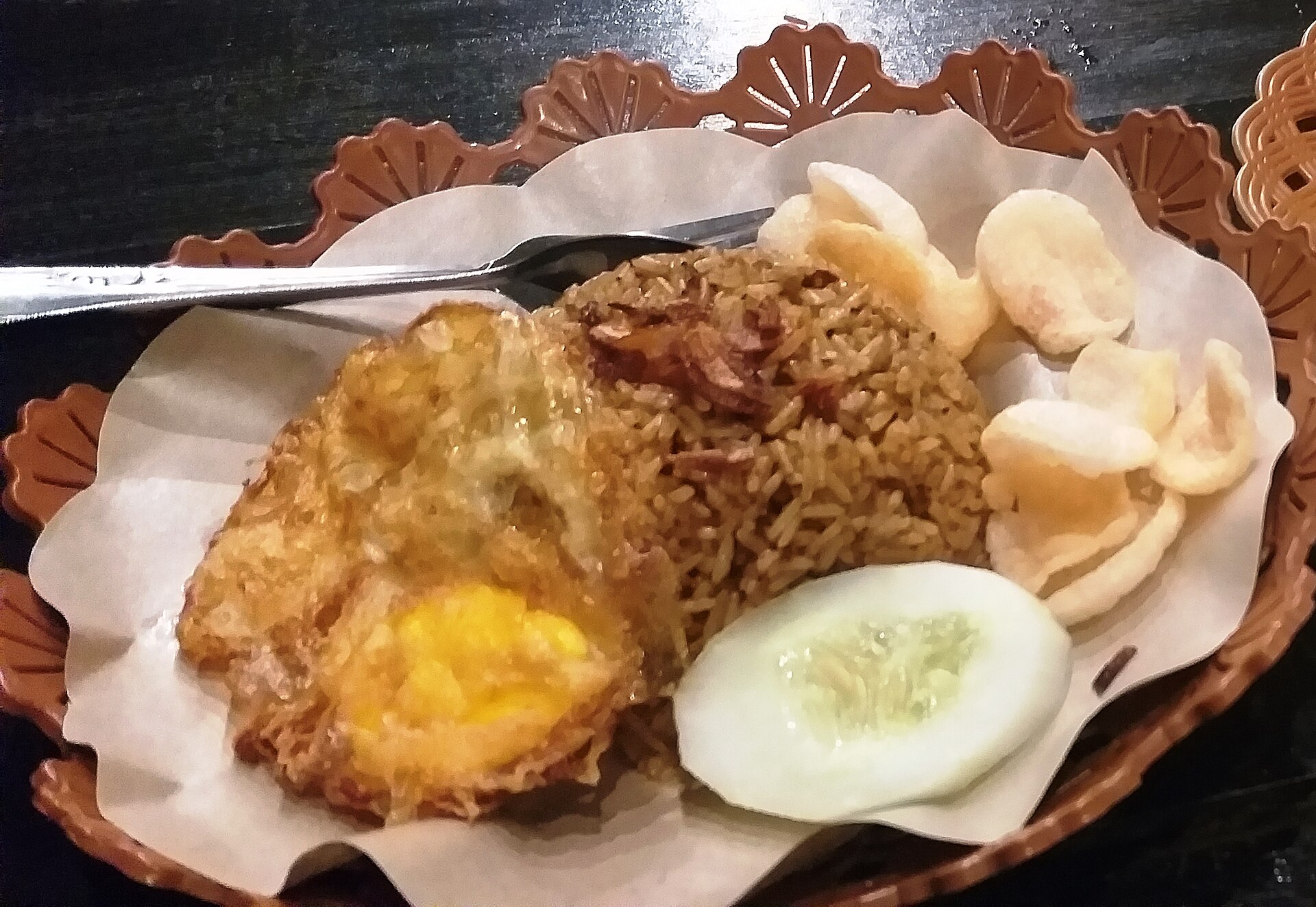
Nasi goreng is a staple dish across Indonesia and Malaysia, known for its deep, savory flavor and quick preparation time. While it might seem like a simple leftover rice dish, achieving the authentic taste requires a specific spice paste and careful attention to the rice texture. The process involves creating a base of shallots, garlic, and fermented shrimp paste, which gives the dish its characteristic depth.
Preparing the Essential Spice Paste
The foundation of a good nasi goreng is the bumbu, or spice paste. You will need about 50 grams of Asian red shallots, which are small and fiery. If these are unavailable, 75 grams of larger round shallots can be used as a substitute, though the flavor will be milder. Combine the shallots with one clove of garlic and a red bird’s eye chili in a mortar or mini chopper.
Add one tablespoon of neutral oil and two teaspoons of terasi, also known as Indonesian shrimp paste. This fermented ingredient is crucial for the authentic umami profile. If terasi is not available, you can substitute it with Malaysian belacan, Thai kapi, or Vietnamese mam tom. For a vegetarian alternative, mix two teaspoons of red miso with one teaspoon of crumbled dried seaweed, or use a teaspoon and a half of fish sauce with two anchovy fillets.
Pound or blend the mixture until it forms a smooth paste. This step may take a few minutes, but it ensures the flavors meld correctly before hitting the wok.
Cooking the Rice and Final Assembly
The quality of the rice determines the texture of the final dish. Ideally, use 200 grams of jasmine rice or another long-grain variety that has been cooked and cooled. If you are starting with raw rice, simmer it in 400ml of boiling water for 15 minutes on low heat. Then, remove it from the heat and let it rest on a damp cloth for five minutes. Spread the rice on a baking tray to cool and dry out, which can take up to two hours in the freezer or overnight in the fridge.
Heat two tablespoons of neutral oil in a wok over high heat. Fry one finely chopped garlic clove until it is lightly golden. If using, pour in two beaten eggs and scramble them until they are half set, then break them up and continue cooking until they begin to brown.
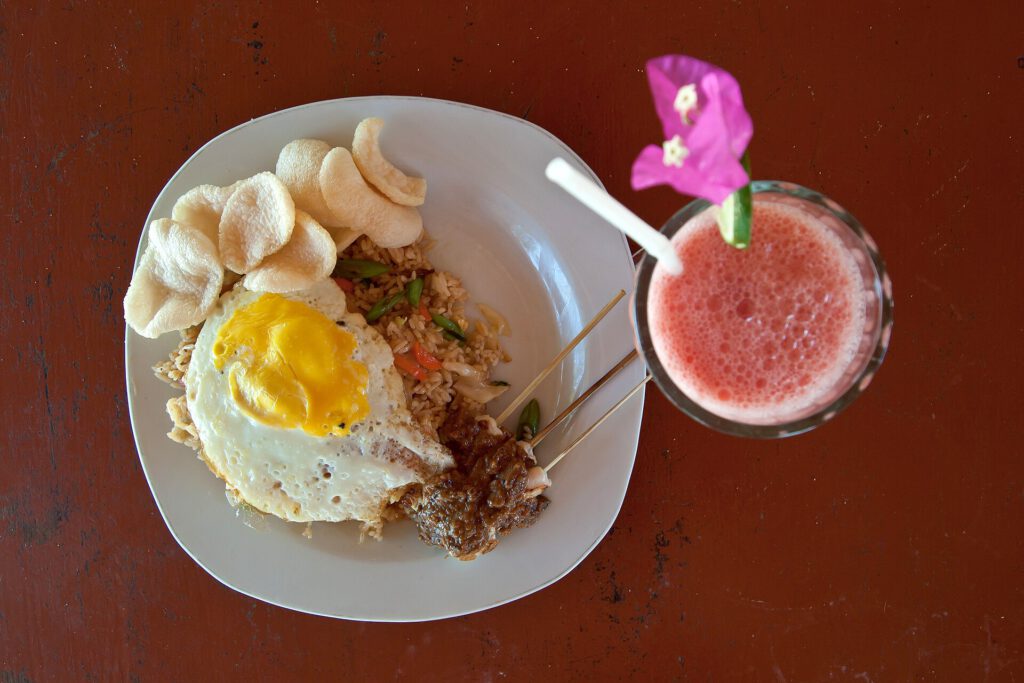
Add the prepared spice paste to the wok and cook for about a minute until the raw smell of the shallots dissipates. Sprinkle in the cooled rice by hand, breaking up any clumps. Stir-fry vigorously, tossing the rice to ensure it is thoroughly heated and evenly coated.
Stir in two tablespoons of kecap manis, a thick sweet soy sauce, and one tablespoon of light soy sauce. Add four chopped spring onions and continue to fry for another minute until the rice begins to caramelize and crisp slightly. Taste and adjust the seasoning with more kecap manis or chili if needed. Serve immediately, topped with sliced bird’s eye chili and crispy shallots.
Source: The Guardian
