


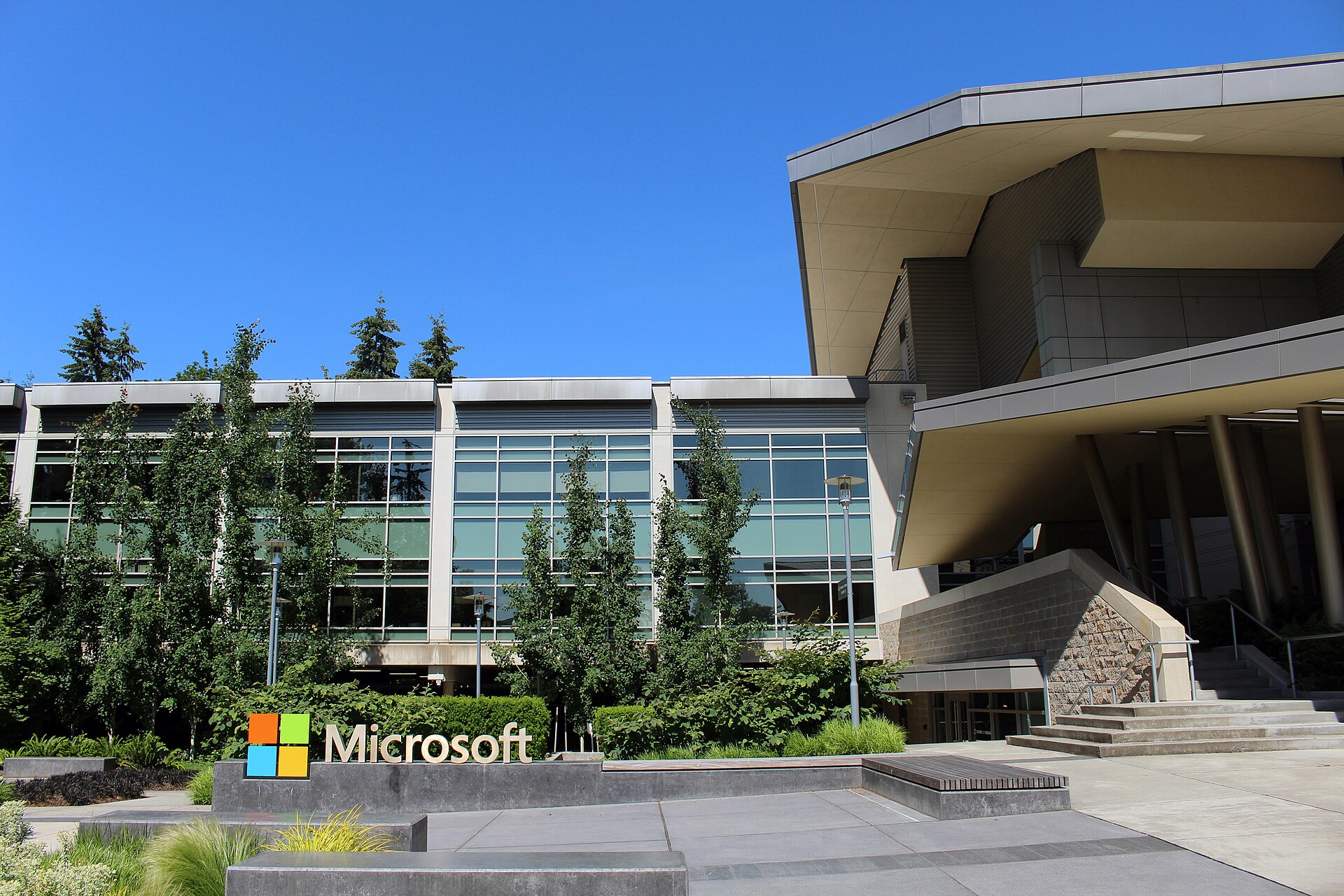
Microsoft and the US government have reached a consensus that the recent wave of widespread technology failures is not over. Officials and industry leaders warn that the public should expect more significant disruptions in the coming months as the global information infrastructure undergoes a massive upgrade.
The warning follows a turbulent week for critical systems. The Federal Aviation Administration implemented a nationwide ground stop, Microsoft Outlook suffered a multi-day outage that halted operations for many companies, and JPMorgan Chase experienced a banking system failure. While the exact causes vary, the pattern suggests a fragile digital landscape.
Government and Industry Warnings
Jay Clayton, the Director of National Intelligence, told CNN that the American public needs to prepare for a period of adjustment. He emphasized that upgrading systems and investing in cybersecurity will be necessary, but these changes will not happen without friction.
“The American people should be prepared for a great deal of investment in upgrading our systems,” Clayton said. “They should be prepared that any time there is a step change in technology, a step change in both compute and applications, there will be bumps in the road.”
Brad Smith, the president of Microsoft, issued a similar warning to CBS, though his tone was more severe. He stated that the current instability is part of a broader, ongoing process that will take more than a few weeks to resolve.
“I think we have to be prepared, frankly, for the coming months because this isn’t the type of thing that just gets done in a couple of weeks,” Smith said. “The whole information infrastructure of the world is in effect being upgraded right now.”
The Role of AI in Cybersecurity
While the recent outages were largely attributed to cyberattacks or human error during patching, Smith highlighted a new variable in the security equation: artificial intelligence. He noted that AI tools have made it significantly easier to identify flaws in software code.
This capability cuts both ways. Security teams can use AI to find and fix vulnerabilities, but bad actors can use the same knowledge to hack into systems. The last few months have seen an increase in attacks on government and commercial systems, including targets at the USDA, JPMorgan Chase, and major supermarket chains.
The consensus among experts is that whether the disruptions are caused by AI-assisted hackers or mistakes made during the rush to patch aging systems, the result is the same. More outages are expected in the near future as the digital backbone of society continues to evolve.
Source: The Verge
