


Federal prosecutors have charged a Saudi national with secretly planting a sophisticated recording device in one of OpenAI’s offices in California. Abdulrahman Alfozan, an engineer at the artificial intelligence firm, faces federal charges for using an electronic device to intercept oral communications.
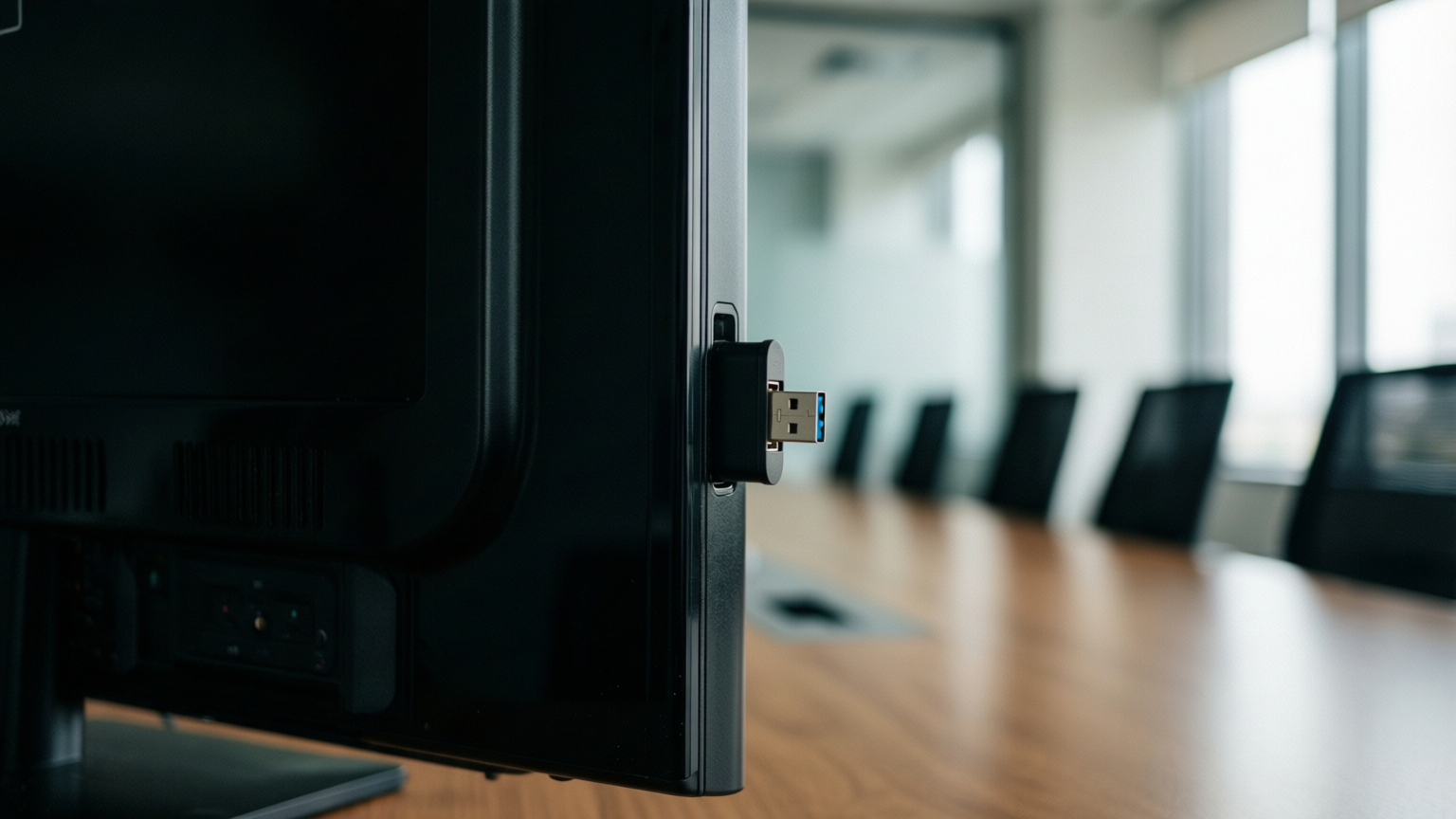
The incident centers on a device discovered in a San Francisco conference room. According to the complaint, the equipment was wrapped in toilet paper and inserted into a USB port on the back of a television set. FBI Director Kash Patel stated that Alfozan concealed the covert recorder to secretly capture sensitive communications within the executive space.
OpenAI identified the threat using its own technology. The company reported that it used its AI models to track the device and determine that an employee had planted it. The firm confirmed that the employee responsible has been fired and stated there is no evidence that source code, model weights, or customer data were accessed or stolen.
Investigation and Evidence
Alfozan had been employed as an engineer at the company since July 2025. Prosecutors allege he used a productivity tool and a chatbot to research sensitive locations and methods for secretly placing audio equipment. The complaint details specific search queries attributed to him, including instructions on building, customizing, and installing audio recording devices.
Further alleged prompts included requests for information on obfuscating devices, remote access, and encrypting storage cards. Investigators noted that he sought advice on improving audio quality and establishing continuous listening capabilities.
On September 30, employees at the San Francisco office discovered the hidden device. This discovery occurred two days after prosecutors say the device was installed. The equipment was encrypted, complicating initial access, but the company’s internal AI systems helped pinpoint the source.
Surveillance footage played a key role in linking Alfozan to the scene. Prosecutors released CCTV images showing him checking on the recorder on October 5. That same day, he left a bag unattended in another part of the building. Security staff opened the bag and found his wallet, identification, and a second recording device similar to the one found in the conference room.
Legal Consequences
Alfozan appeared in court on Tuesday. It remains unclear whether he has secured legal representation. If found guilty of the federal charges, he faces a maximum sentence of five years in prison and a fine of $250,000.
The case highlights the internal security measures employed by major technology firms. OpenAI’s ability to use its own AI models to detect the intrusion underscores the complex relationship between the technology it produces and the security challenges it faces. The company emphasized that while the device was sophisticated, it did not result in the loss of proprietary intellectual property.
Source: BBC
