


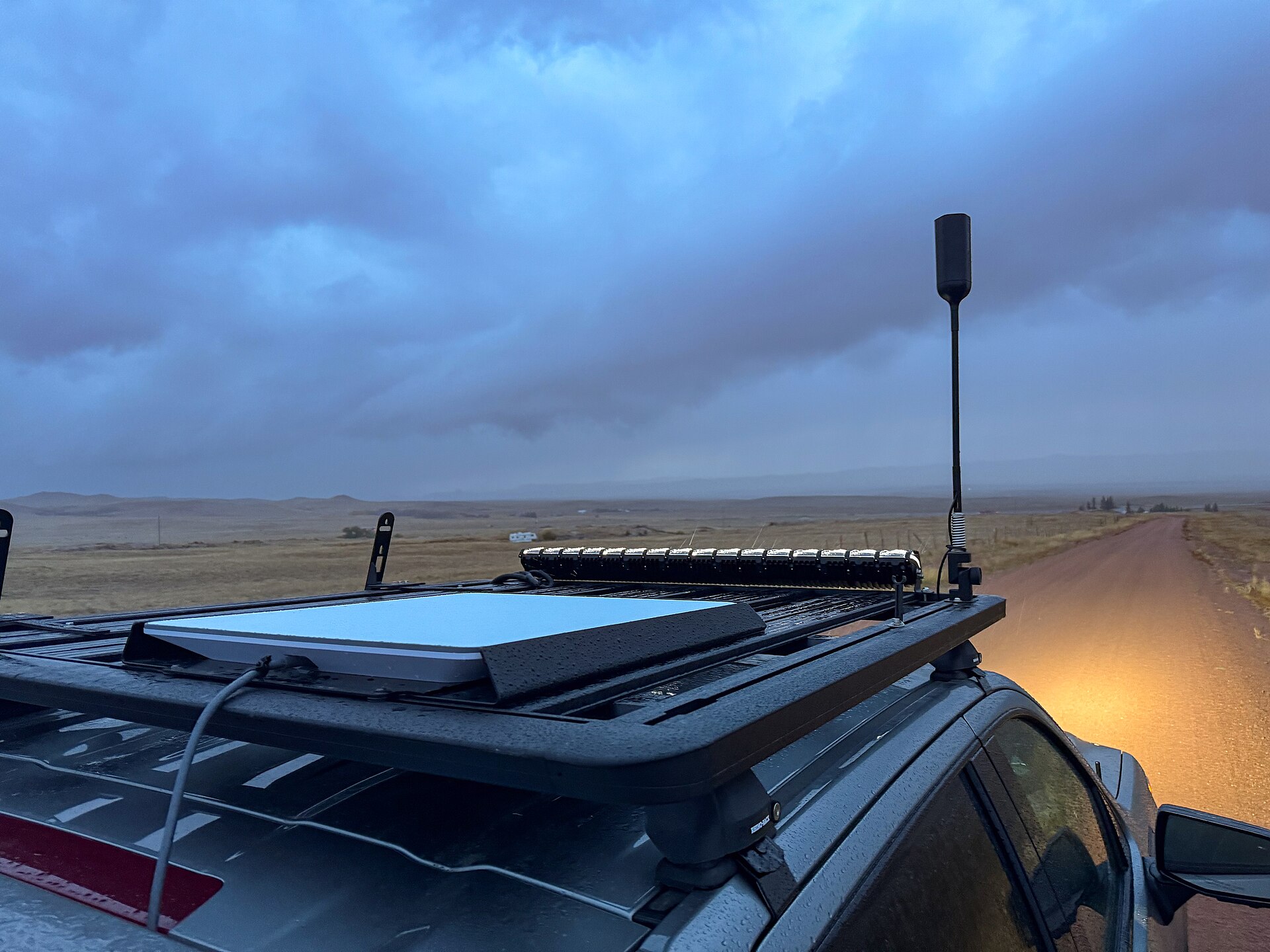
Starlink’s cheapest home internet plan now costs $44 less per month than it did during its 2020 public beta, according to recent pricing data. While the monthly subscription fee has dropped from $99 to $55, the structure of hardware ownership and regional pricing has changed drastically over the last six years.
SpaceX launched its public beta in October 2020 under the name “Better Than Nothing Beta.” Early subscribers paid $499 for the original circular satellite dish, mounting tripod, and Wi-Fi router. Combined with the $99 monthly fee, the initial outlay was $598, excluding shipping and taxes. Customers were explicitly told to expect download speeds between 50 and 150 Mbps, latency of 20 to 40ms, and occasional periods of zero connectivity.
Starlink residential plans and price hikes
The company raised residential rates in March 2022, increasing the monthly fee to $110 and the hardware cost to $599 for new users. SpaceX cited inflation as the primary driver for these increases. By 2023, the service introduced a dual-pricing model based on network capacity, charging $90 per month in areas with excess capacity and $120 where capacity was limited.
Today, Starlink offers three primary residential tiers. The entry-level Residential plan provides 100 Mbps speeds for $55 per month. The Residential 200 Mbps tier costs $85 monthly, while the Residential Max plan, which offers higher network priority and speeds of 400 Mbps or higher in suitable conditions, is priced at $130. All plans include unlimited data, though the first two tiers have speed caps.
In May 2026, SpaceX increased these prices by $5, $5, and $10 respectively. Additional location-based adjustments were announced in October 2026, with some Residential Max customers seeing their bills rise to $156 per month while others received reductions. PCMag reported that new subscribers could receive up to 50 percent off through a promotion running until November 30, 2026.
Equipment rental and regional pricing
Unlike the 2020 beta, where customers owned their hardware outright, Starlink now offers equipment rentals in several regions. Ars Technica confirmed that a $10 monthly rental fee was introduced in June 2026, though it was waived for some new orders in July. Under this model, Starlink retains ownership of the hardware, and subscribers must return the full kit within 30 days of canceling their plan or pay the retail price.
Regional pricing remains a key factor in final costs. Discounts and fluctuating rates based on local demand mean two customers can pay vastly different amounts for the same service. Subscribers who secure limited-time promotional rates keep those discounts until their offers expire, but changing plans during a promotion can void the savings.
While Starlink can be more expensive than cable, fiber, or 5G home internet in urban areas, its value lies in availability for those with slow DSL or unreliable cellular service. The company also offers a portable Roam service for $55 per month, which includes 100GB of high-speed data before speeds are reduced. Roam Unlimited costs $175 per month for uncapped high-speed access.
Source: Engadget
