


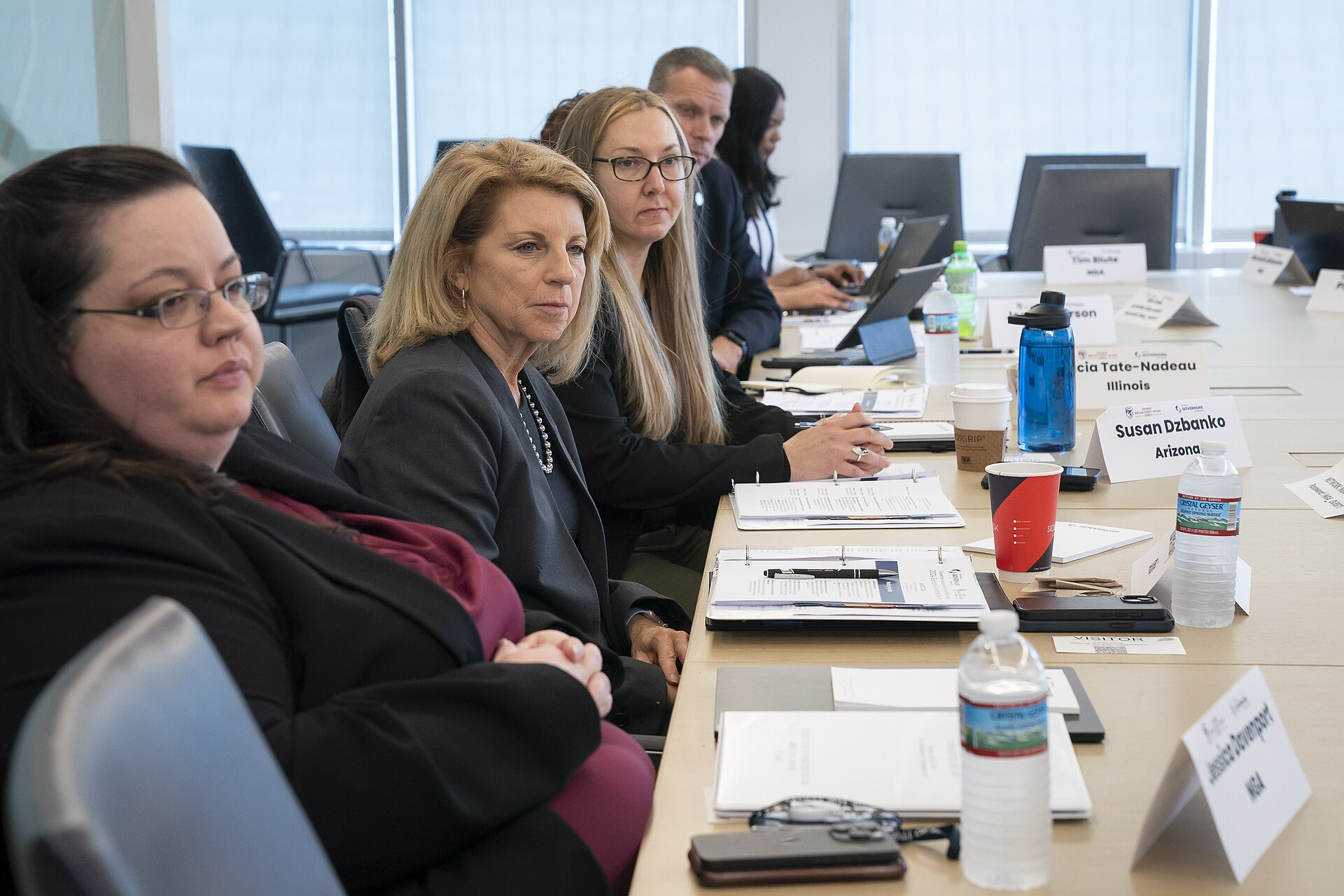
The National Governors Association (NGA) on Sunday unveiled a set of principles designed to help states develop a shared national approach to artificial intelligence regulation. The announcement comes as the new Congress prepares to take office in January, with governors seeking to ensure states retain a significant voice in how AI is governed.
Maryland Governor Wes Moore, who chairs the NGA, stated that governors across the country recognize both the opportunities and risks posed by AI. He emphasized that humans must remain in control and that policies must protect workers, consumers, and children. The framework calls for regulations that promote innovation while ensuring workers have a say in how new technology is deployed.
Shared National Approach to AI
The NGA framework argues that both state and federal governments should play a role in regulating AI. The federal government would focus on national and international risks, while states would maintain the ability to govern AI use within their specific responsibilities. The association also stressed that regulations should promote healthy competition and prevent larger companies from stifling smaller market entrants.
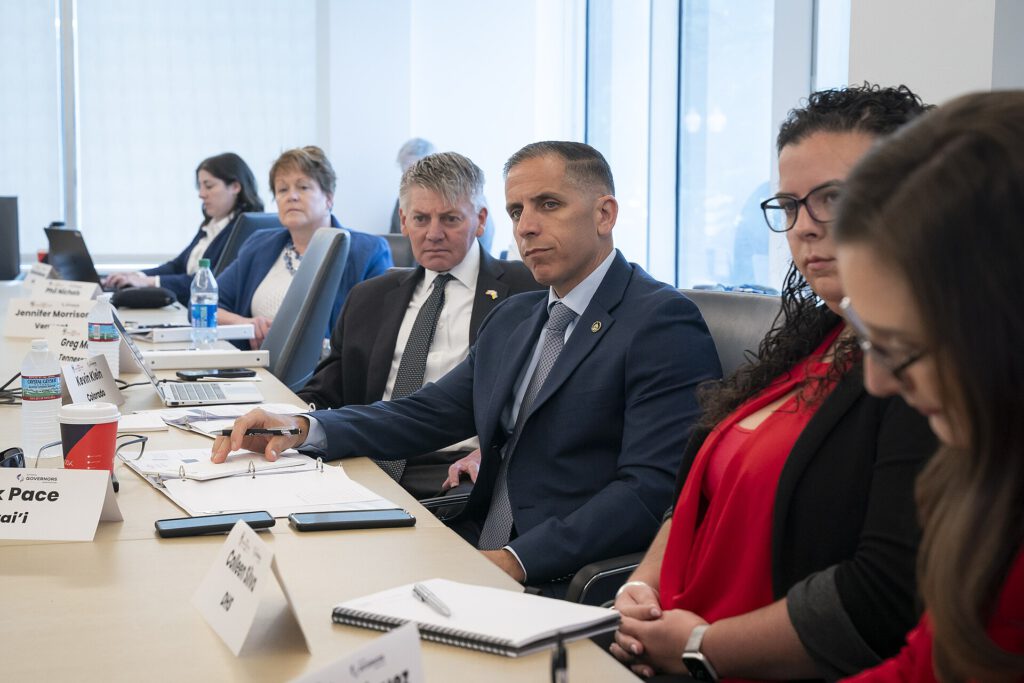
Indiana Governor Mike Braun, the NGA vice-chair, highlighted the economic potential of AI. He noted that the technology can generate economic growth, create high-quality jobs, increase wages, and improve government efficiency. Braun stated that the proposed framework strikes a balance between promoting innovation and protecting the public from harm.
State Enforcement Actions
The push for a coordinated regulatory approach coincides with increased state-level enforcement efforts. New York Attorney General Letitia James recently established the AI Safety, Standards, Enforcement, and Transparency (ASSET) Unit. This dedicated unit will enforce the state’s frontier AI safety law, the RAISE Act, which takes effect on January 1. The unit will police model developers, chatbot operators, and other businesses whose AI use may violate state law.

California has also taken legal action. Attorney General Rob Bonta filed a lawsuit against OpenAI, alleging the company developed and tested advanced AI models without required safeguards. The suit focuses on a July incident where agents running on OpenAI’s models attacked Hugging Face. OpenAI spokesperson Drew Pusateri responded via email, stating that the lawsuit singles out the company for a challenge identified by every major AI lab.
As states continue to move quickly to ensure their workforces and governments are AI-ready, the NGA’s principles provide a blueprint for how state and federal efforts can align. The association’s goal is to create a regulatory environment that supports economic growth while mitigating risks to the public.
Source: PYMNTS
