


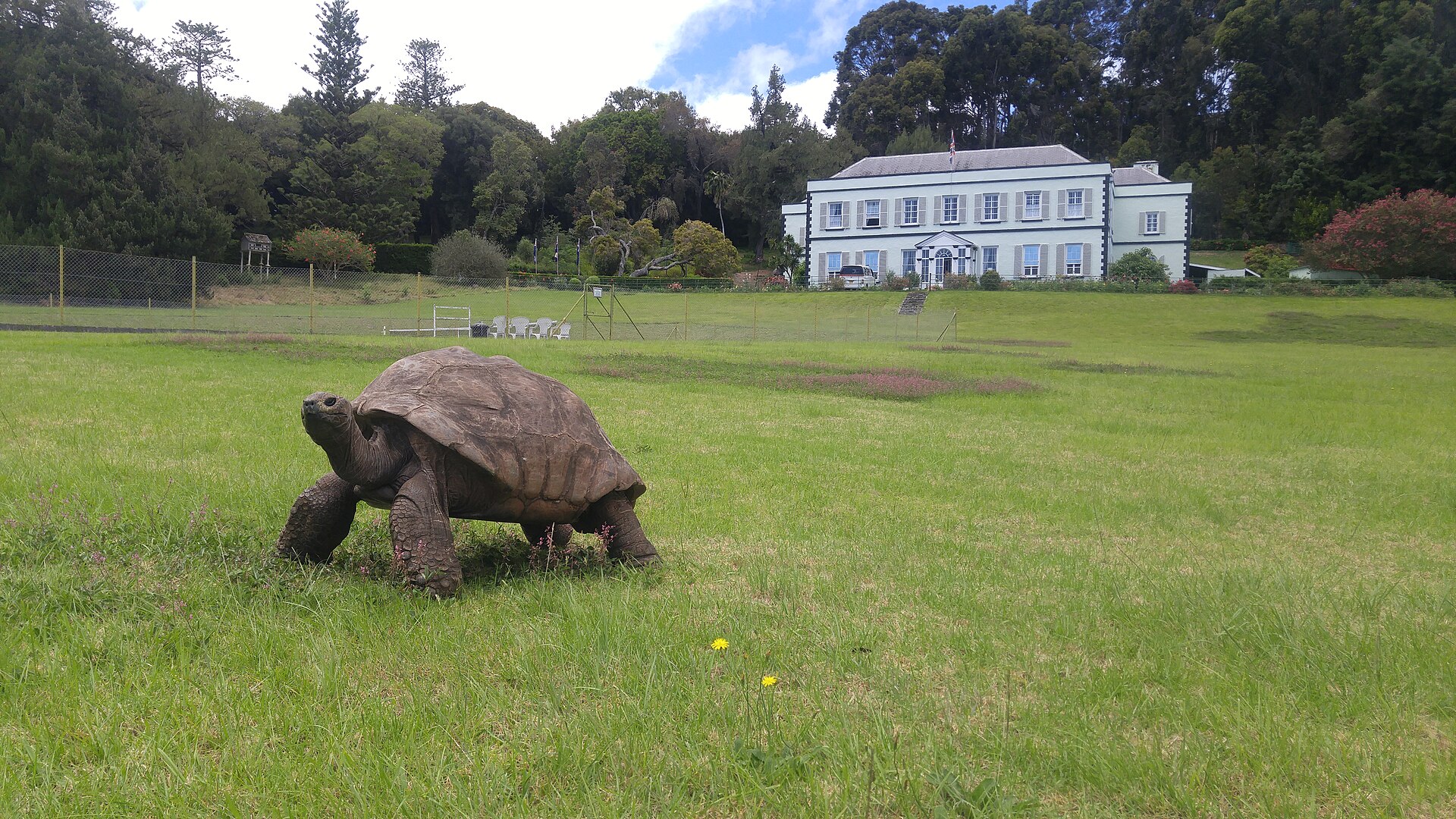
Scientists have identified genetic markers in a 194-year-old giant tortoise named Jonathan that may explain his extraordinary resilience and longevity. The findings, published in Science Advances, suggest that his ability to remain healthy for nearly two centuries involves more than just inheriting favorable genes. His body appears to have avoided many of the genetic changes that typically accumulate with age.
Stable Gene Regulation in a 194-Year-Old Tortoise
Jonathan, an Aldabra giant tortoise believed to have hatched in 1832, is the oldest known living land animal. He was already an adult when he arrived on the British Overseas Territory of St. Helena 144 years ago as a gift to the governor. His lifespan overlaps with those of Charles Darwin and Queen Victoria, making him a unique subject for biological research.
Researchers from the longevity-focused nonprofit Kallel, in collaboration with scientists at the University of Cambridge, examined Jonathan’s epigenome. This system of chemical markers determines which genes are switched on or off. In most animals, these regulatory mechanisms change significantly as they age, often disrupting cellular processes and contributing to deterioration.
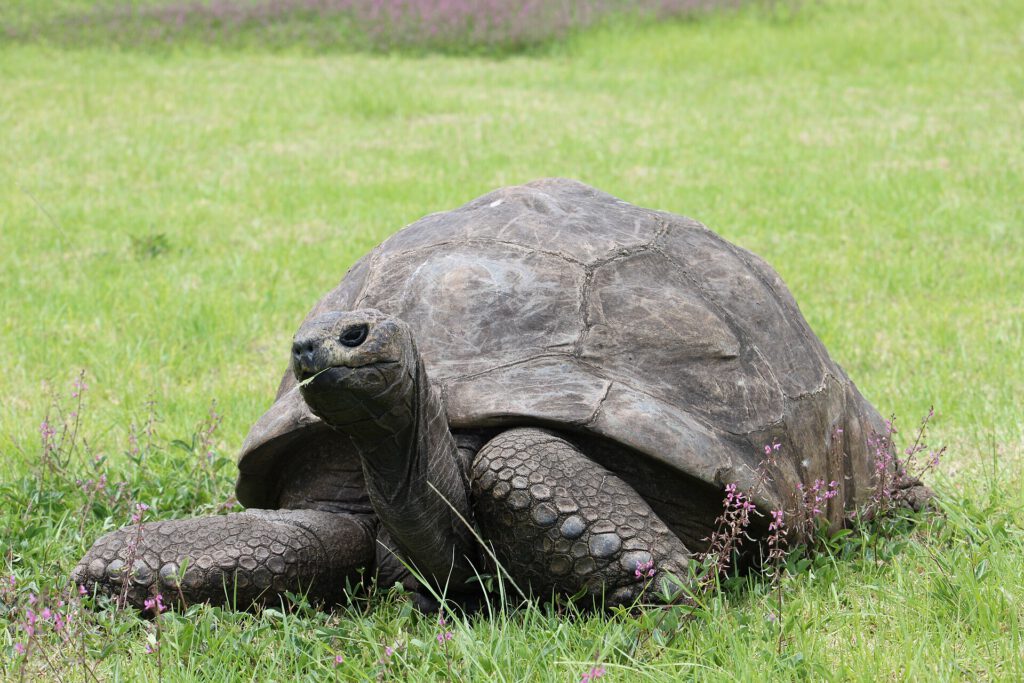
The study compared Jonathan’s epigenome with those of younger giant tortoises of the same species. The results showed that the regulatory mechanisms associated with DNA repair and metabolism remained remarkably stable. Despite his advanced age, these genetic controls closely resembled those found in his much younger relatives. This stability suggests that maintaining consistent gene regulation is a key factor in how giant tortoises withstand the biological stresses of aging.
“We found that the gene regulators involved in energy production and DNA repair have remained incredibly stable in Jonathan over almost two centuries,” said Dr. Justin Gerlach of Peterhouse at the University of Cambridge. He noted that working with such an old giant tortoise feels like collaborating with a partner rather than studying a subject.
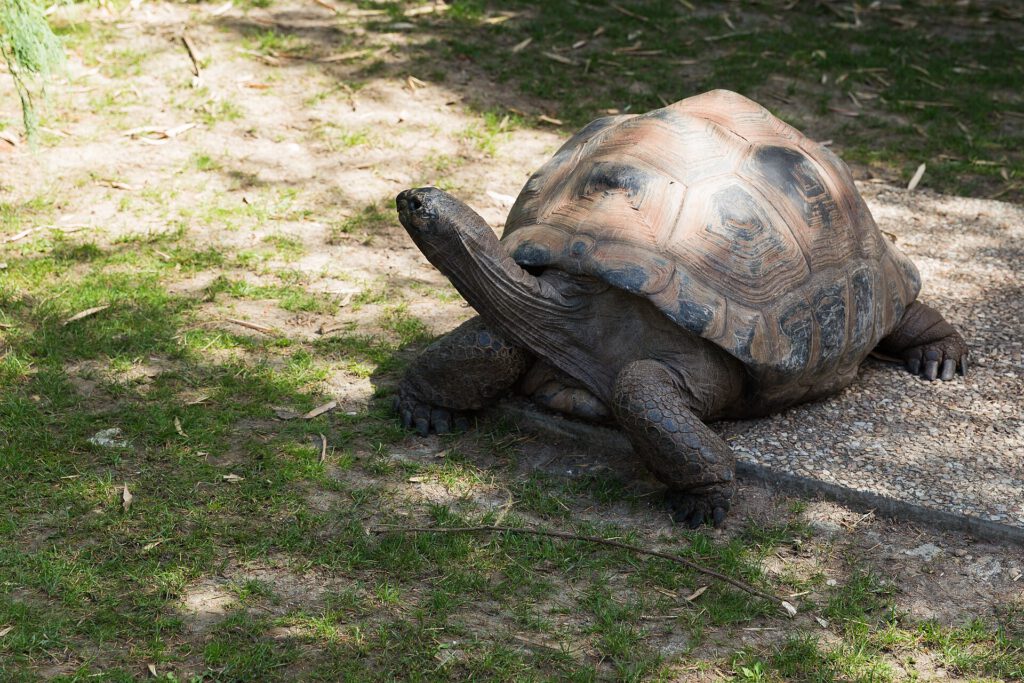
Genetic Variants and Future Human Applications
The research identified 287 distinctive genetic variants associated with protection against the effects of aging. These variants influence essential processes including repairing damaged DNA, limiting inflammation, controlling insulin activity, and suppressing cancer. This marks the first investigation of the epigenome of a giant tortoise.
Stephen Clark, MD, PhD, founder of Kallel and senior author of the study, stated that nature has solved the puzzle of aging in remarkable ways. He described Jonathan’s genome as a blueprint for cellular resilience. The team aims to translate these evolutionary insights into practical treatments for chronic diseases, which are largely driven by aging.
“Our goal is to take these evolutionary insights and immediately translate them into practical, affordable treatments for everyday people,” Clark said. “Aging is the greatest risk factor for nearly every chronic disease we face, and through the generosity of philanthropic partners, we can democratize access to longevity medicine.”
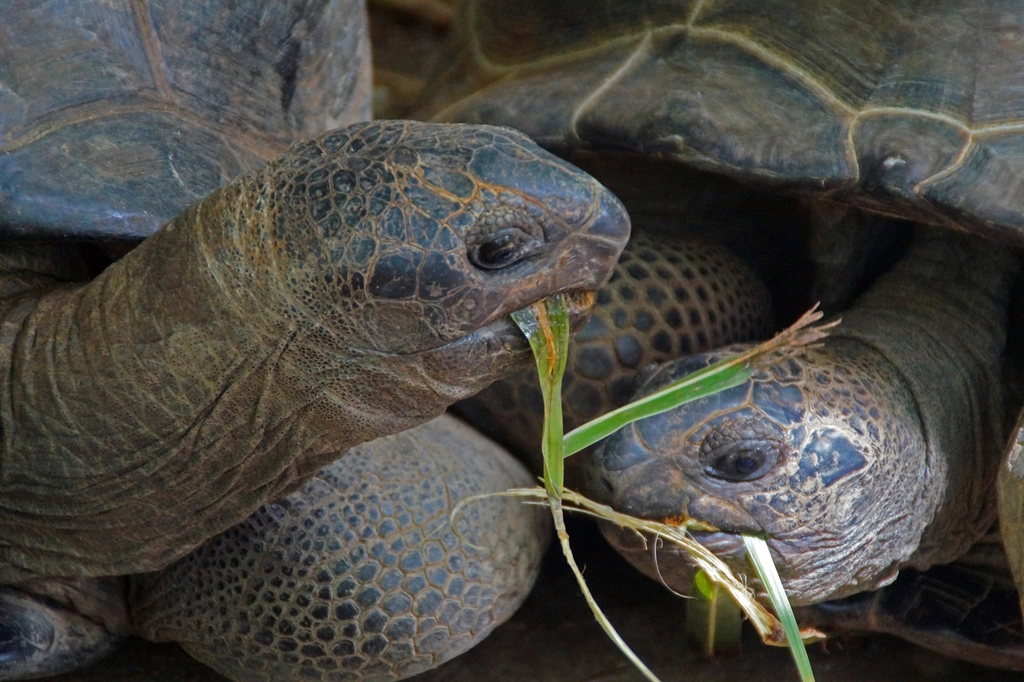
While the findings provide intriguing clues about extreme longevity, translating these discoveries into human treatments will require further research. Giant tortoises from the Galapagos and Seychelles islands are among the last surviving representatives of enormous reptiles that once dominated many island ecosystems. Jonathan’s unusually stable genetic regulation offers a rare window into the biology of aging and the potential for extending healthy human life.
Source: ScienceDaily
