


It has been 25 years since the release of the 2001 comedy Zoolander. The film skewered an industry that famously takes itself very seriously. Critics were divided when it arrived. The US release date was unfortunate, coming just days after the September 11 attacks. The sequel was a flop. Yet few films have predicted fashion’s own present like the original movie.
The memeable absurdist comedy about the three-times male model of the year was a cinematic Cassandra. It correctly predicted themes, styles, and sensibilities of the industry that still ring true today. The joke around Derek Zoolander’s trademark look, the Blue Steel, was how ridiculous it was. The shocked but vacant stare with an exaggerated pout later became the facial pose on social media.
The Rise of the Duck Face Trend
Officially defined as duck face after the Japanese term ahiru-guchi, the look gained traction on Instagram in the early 2010s. People finally took a break from smizing. Tweakments such as lip-filler and forehead botox mean faces have begun artificially morphing into the pose. Now everyone can be really, really, really Zoolander, without even trying.
Donald Trump also made a fleeting cameo in the film. He has a one-line role. He says, “Without Derek Zoolander, male modelling wouldn’t be what it is today.” It is a fabulous little fib that he imparts very believably. It is shocking to hear in 2026.
Onesies and Labor Issues
The morning after the VH1 Fashion Awards, Derek and his model flatmates are all hanging out. Zoolander’s nightwear of choice is revealed to be a onesie covered in penguins. A decade later the onesie would become ubiquitous. High-street sales skyrocketed after One Direction brought them into people’s living rooms. The trend also included man-buns, which Zoolander did first.
At the start of the film, a shady fashion cartel are intent on keeping sweat shop labour going. The prime minister of Malaysia planned to ban it. One fiendish fashionista complains that 50% of her inventory is manufactured in sweat shops in Malaysia. Zoolander satirised fashion’s cognitive dissonance about sweat shop labour deftly. 25 years on, it’s still, tragically, very much an issue.
Donatella Versace likes her espresso served in a pink-and-gold china cup. Anna Wintour’s order is reportedly a grande, extra-hot whole-milk latte from Starbucks. Calvin Klein infamously got his staff to compare the hue of his milky coffee to a Pantone colour swatch to get it just right. In the film, Derek, Meekus, Brint and Rufus share a love of the orange mocha frappuccino. Freaky designer Mugatu loses it when his latte is too foamy. Fashion’s niche drinks orders have arguably only become more extreme. Any fashion intern with a long list of hyper-specific morning matcha and iced coffee orders will tell you so.
Victoria Beckham and Industry Changes
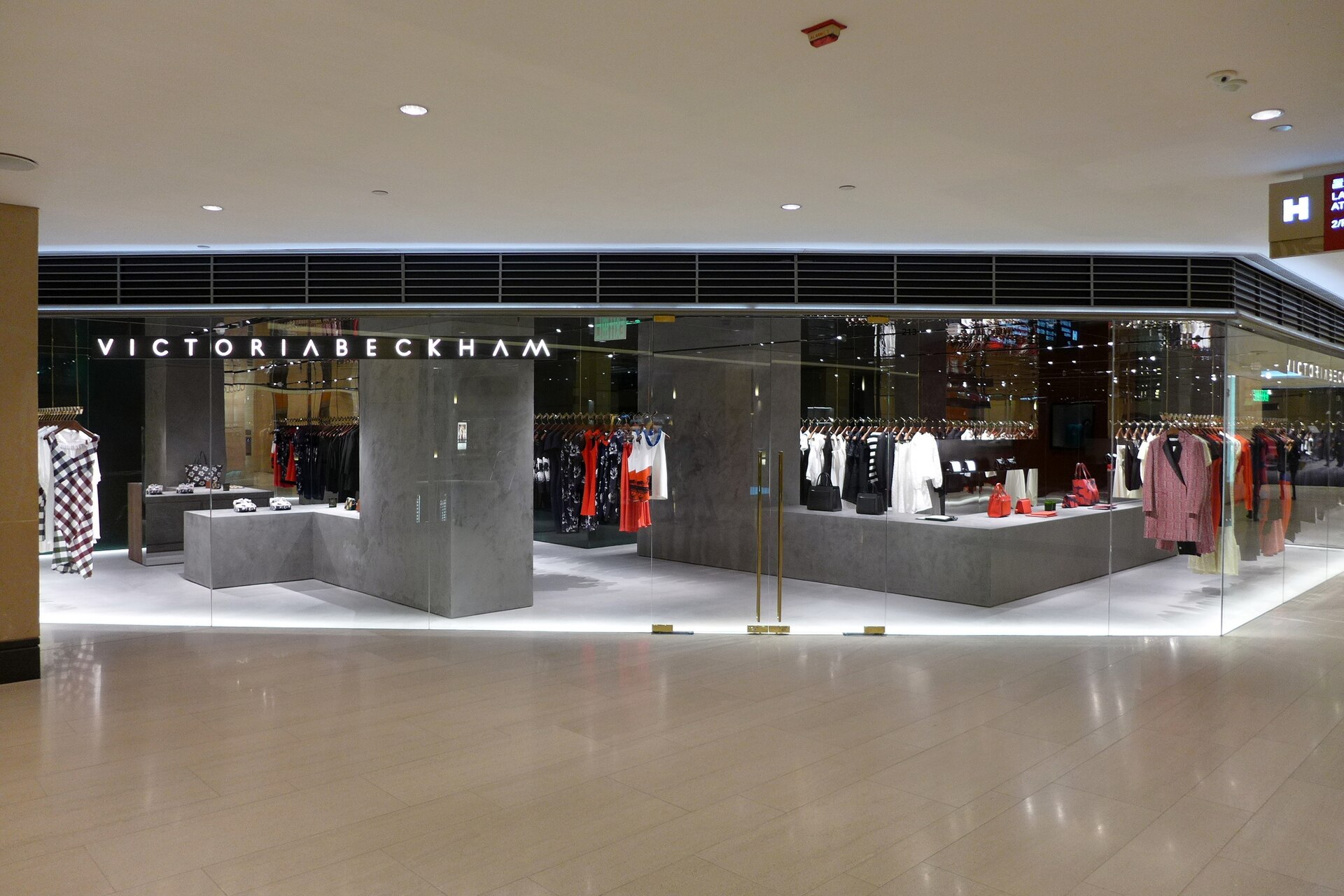
Zoolander has more guest stars than an episode of Friends. David Bowie, Tommy Hilfiger, Paris Hilton, Gwen Stefani, Tom Ford, Winona Ryder, Mark Ronson, Donatella Versace, Lil Kim and Sandra Bernhard all appear. Groaning under the weight of its own star power, there is one cameo that feels slightly more significant than the others. Victoria Beckham delivers the line, “he’s a fashion icon!” about Derek. Given her move from non-smiling Spice Girl to non-smiling creative director in the last 25 years, she could have been talking about herself.
When Derek announces his early retirement from modelling at the triple funeral of his flatmates, the assembled mourners are shocked. The surprise catwalk curtain call has become familiar. Jean Paul Gaultier stood down in 2020 after 50 fantastique years. Dries Van Noten said goodbye in 2024. Stylist Law Roach retired on Instagram in 2023 before sneaking back two years later. Even Derek himself came out of retirement for Zoolander 2.
Not many people read your Time magazine, or whatever it’s called, Derek tells journalist Matilda. At the time of release this was a joke at the expense of our model hero. Time magazine’s paid circulation was 4m copies per week. Now, not only is Time’s paid digital circulation at about 370,000 but many of the fashion magazines featured in the film have long ceased production. Look, Marie Claire and InStyle are among those that have stopped. Hearing that line in 2026, it hits differently. Earth to Matilda, Derek was right, not many people are reading your magazine.
Mugatu’s Derelicte collection was crassly inspired by unhoused people. It was a stinging comment on how far-removed fashion can be from reality. John Galliano had already produced a collection inspired by those living along the Seine. Purses resembling bin bags did appear on the catwalk at Lanvin. The Derelicte collection included a battered cardboard box worn as a dress, a feather boa of inflated condoms and a cape made of rubbish. It picked at a concept which the likes of Demna later focused in on at Vetements and Balenciaga, elevating wear-and-tear as the distressed look.
Source: The Guardian
