


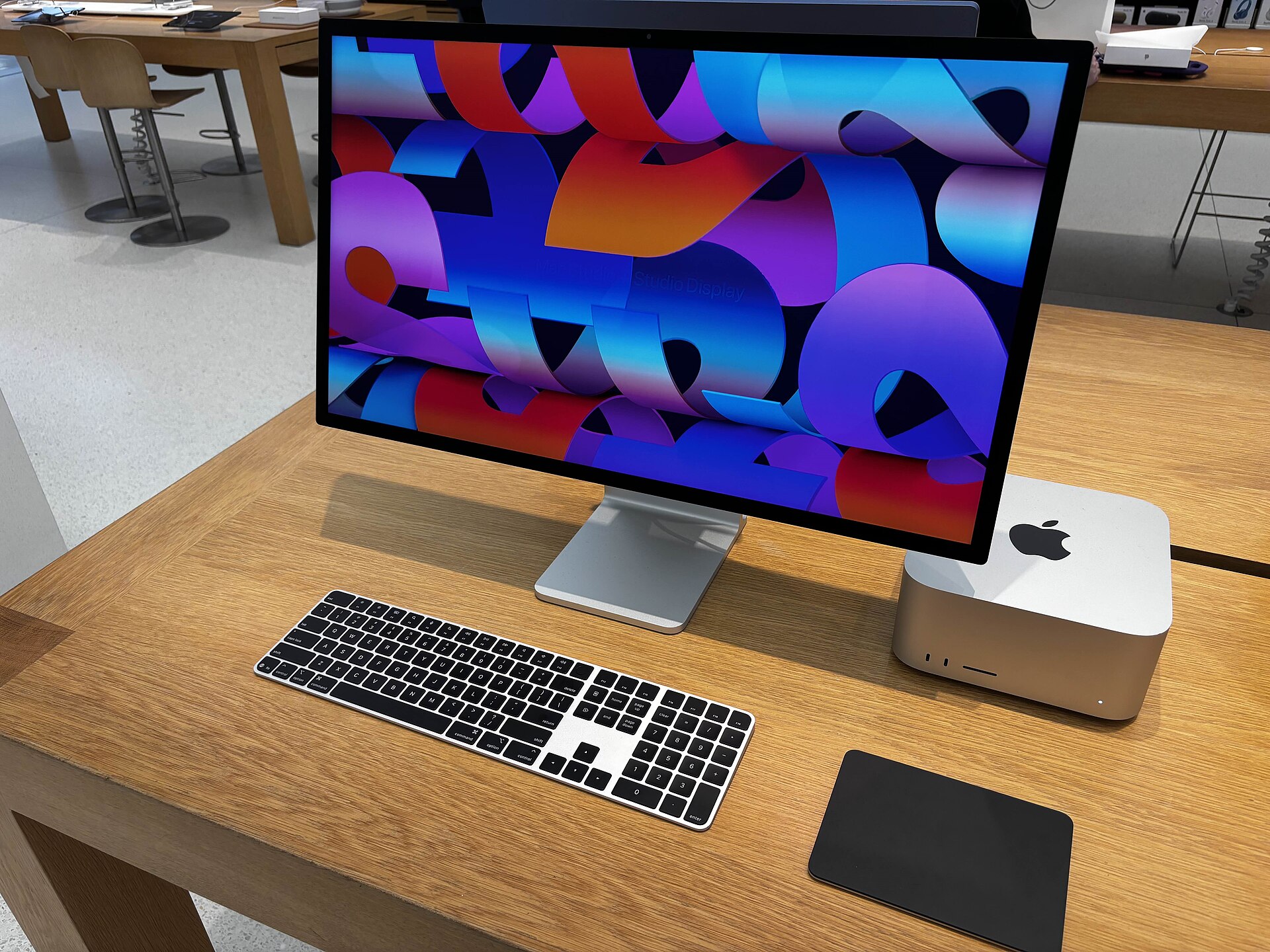
Meta has released a new open-weight artificial intelligence model designed to run locally on desktop computers. The company announced Thursday that the model, named Muse Spark Open, can operate on two Apple M5 Ultra Mac Studios using the latest version of Apple’s MLX framework.
Mark Zuckerberg, Meta’s founder and chief executive officer, posted on X that the weights for the model are available immediately. He credited the collaboration with Apple CEO John Ternus for enabling the software to run efficiently on the hardware.
Ternus replied to the post, congratulating the teams involved. He noted that running a model of this scale directly from a desk demonstrates how Mac Studio hardware continues to expand the capabilities of on-device AI.
Muse Spark Open Specifications
Meta described Muse Spark Open as the most capable open-weight model produced in the United States to date. The architecture contains 816 billion total parameters, with 42 billion active parameters engaged during processing. It supports a context window of one million tokens.
The model is natively multimodal, meaning it can process different types of data simultaneously. Meta stated the system is built specifically for coding and agentic work. It is designed to handle long-horizon tasks, complex software engineering projects, and multi-step reasoning processes.
Apple published technical documentation on its Machine Learning Research website. The guide explains how developers can run the frontier-class model using a version of MLX released on Thursday. Meta said the combination of the model and the framework offers the best method for running powerful AI on a personal desktop.

Hardware Requirements and Costs
Running the full model requires significant local computing power. Meta stated that two Mac Studios can hold the entire model and function together as a single supercomputer. The setup provides a terabyte of unified memory, which allows the system to process the large parameter count without relying on external cloud servers.
The Wall Street Journal reported that the total cost to purchase the necessary Mac hardware is approximately $40,000. This upfront investment provides developers with computing power that would otherwise cost thousands of dollars per month if rented from cloud providers.
This shift toward local processing aligns with broader trends in the technology sector. The Financial Times reported in September that American businesses are increasingly adopting lower-cost open-weight models. These tools help companies gain control over rising technology expenses associated with cloud-based AI services.
The release marks a significant step in making advanced AI tools accessible outside of large data centers. By optimizing the model for Apple’s silicon, Meta and Apple have created a pathway for developers to run complex AI tasks on-premise.
Source: PYMNTS
