


The Royal College of Midwives (RCM) has voiced strong opposition to reports that two maternity units in Norfolk could close, urging local health leaders to invest in existing services instead of reducing them. The union argues that shrinking local care options would force women to travel unacceptable distances while in labour, creating significant safety risks.
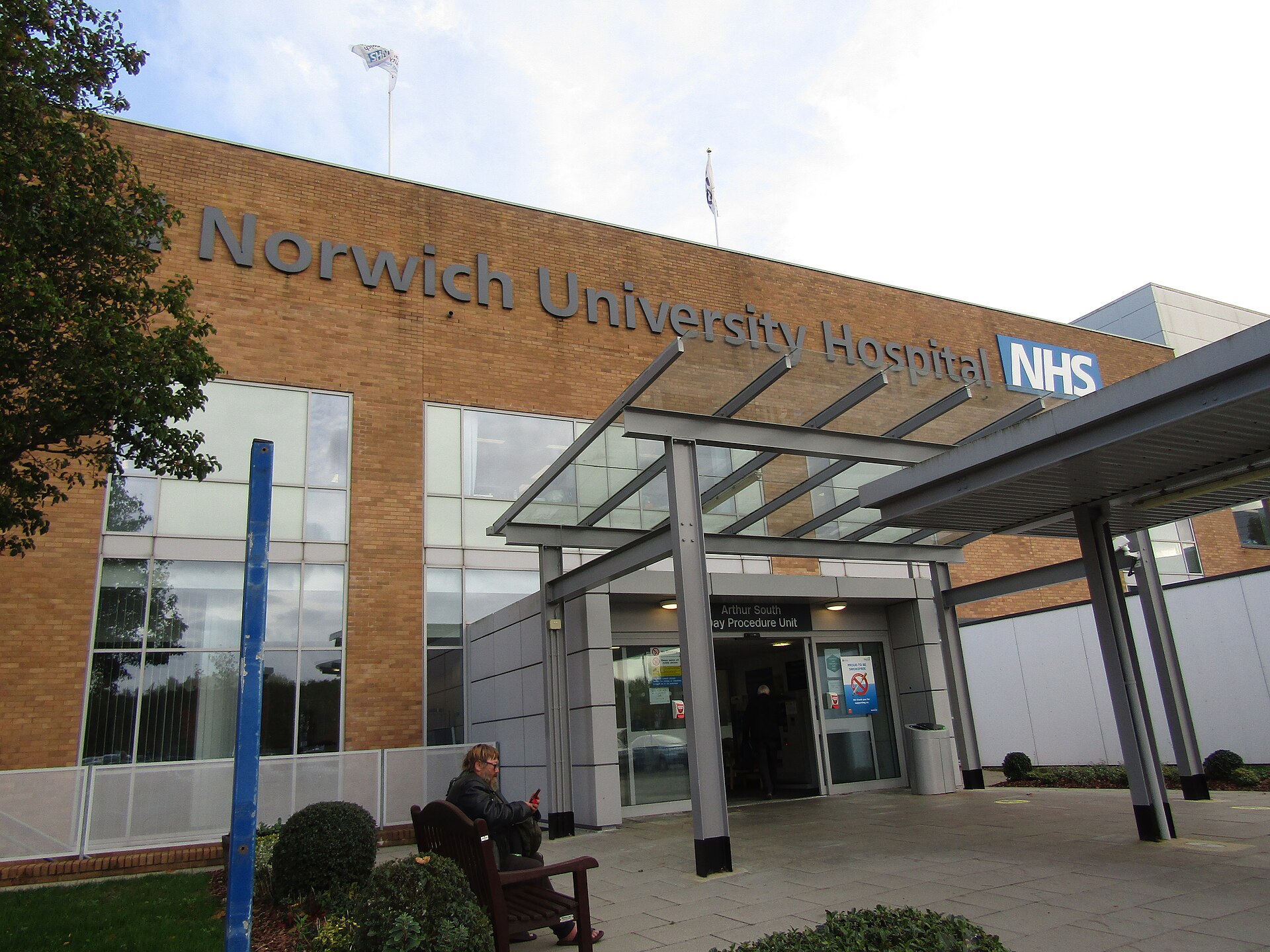
Norfolk currently operates maternity units at hospitals in Norwich, Gorleston, and King’s Lynn. The latter two facilities also serve patients from Cambridgeshire and Suffolk. The Norfolk and Waveney University Hospitals Group (NWUHG) recently published a “Case for Change” document outlining how services might be restructured in the future. However, the group stressed that no final decisions have been made and no formal consultation has begun.
Travel risks and service inter-dependency
Documents reviewed by the BBC indicate that some women who currently give birth in Gorleston could face a two-hour public transport journey to reach alternative hospitals if services are relocated. The RCM warned that closing units serving rural and isolated communities would leave women travelling “unacceptable distances” while in labour.
The union also highlighted the interconnected nature of hospital departments. If maternity services were removed from specific hospitals, neonatal units and children’s inpatient wards would likely close as well because these services are inter-dependent. This structural link means that cutting maternity care could have a cascading effect on paediatric care across the region.
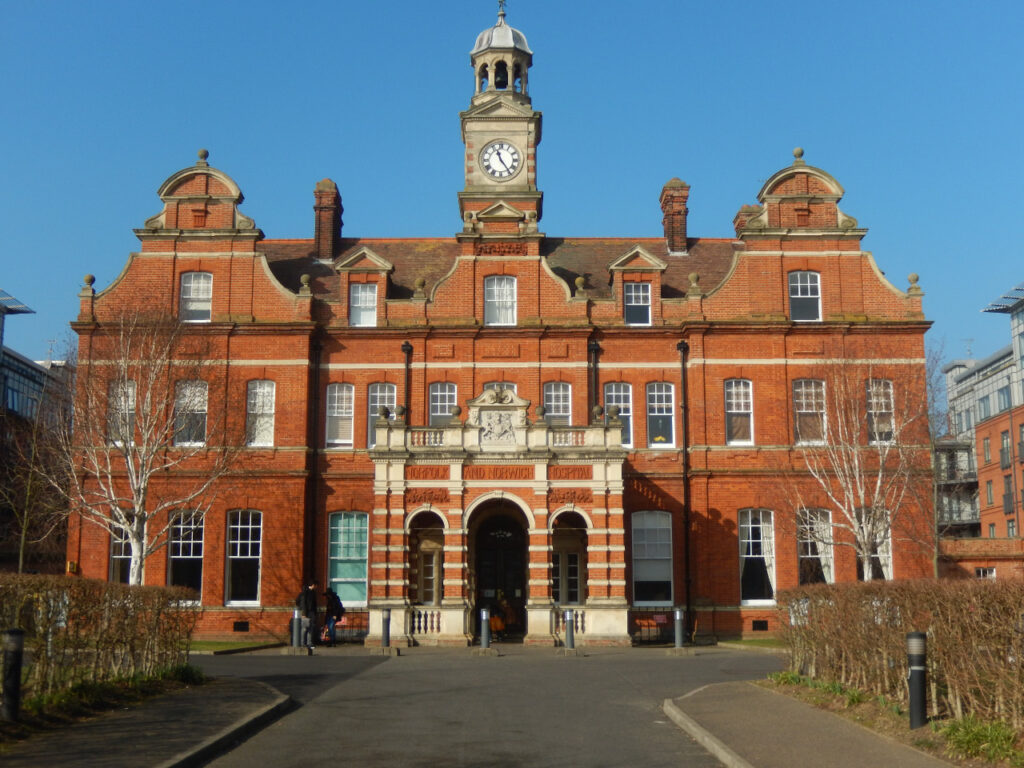
Options under consideration include maintaining the current setup or closing consultant-led maternity units at the James Paget Hospital in Gorleston, the Queen Elizabeth Hospital in King’s Lynn, or both. These changes would impact women in Norfolk, as well as those in Lowestoft, north Suffolk, Wisbech, and north-east Cambridgeshire who currently rely on these specific sites.
Workforce shortages and patient safety
The “Case for Change” document attributes the need for review to falling birth rates, workforce shortages, and an increasing number of women requiring more complex care. NHS leaders stated that any move to concentrate services at one or two sites would be driven by the goal of providing safer care for women and babies.
Lesley Dwyer, chief executive of the NWUHG and a former midwife, described the review as one of the most significant pieces of work undertaken by the organisation. She emphasized that the scenarios examined so far are a starting point for further assessment rather than formal proposals. “No preferred approach has been identified and no decision has been made to close or relocate these services,” Dwyer said.
The RCM argued that the proposals risked worsening existing inequalities in maternity outcomes. The union stated that the answer is investment and more staffing, rather than allowing services to shrink. The union also noted that closures could result in midwives being redeployed further from their homes, potentially affecting staff retention.
A Facebook post from the RCM stated: “Women and babies deserve safe, local care, and closing units is not the answer.” The union called for local maternity services to be invested in rather than cut. The Department of Health and Social Care has been contacted for comment on the developing situation.
The “Case for Change” will now be submitted to NHS England. This submission precedes further research and any potential public consultation. The review follows broader NHS guidance suggesting that smaller maternity units across the country may need to close to ensure sustainability.
Source: BBC
