


China’s economy expanded at a faster pace than expected in the third quarter, driven by a surge in technology-related exports, according to official figures released Monday by the National Bureau of Statistics. Gross domestic product (GDP) grew 4.5 percent from the same period last year, marking an acceleration from the 4.3 percent expansion recorded in the second quarter.
The result exceeded most analyst forecasts, which had anticipated more modest gains. For the first nine months of 2026, the economy grew 4.6 percent year-on-year. The growth trajectory aligns with the ruling Communist Party’s annual target of 4.5 to 5 percent, a range that represents one of the slowest expansions in decades, excluding the pandemic years.
Export Surge Driven by AI Demand
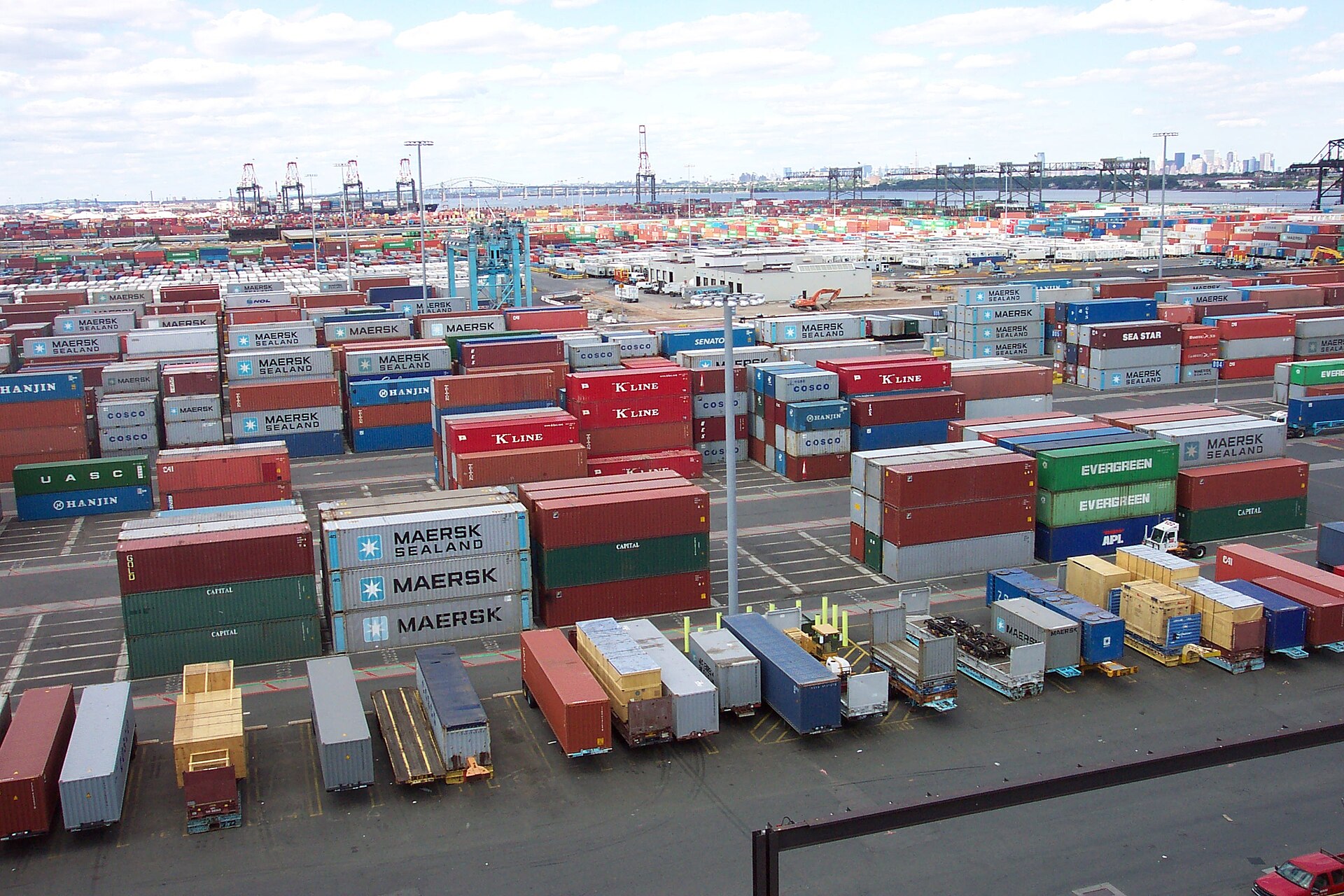
The primary engine for this quarter’s performance was external demand. Exports surged more than 16 percent in the first three quarters of the year, reaching a total value of 23.19 billion yuan, which is approximately $3.47 billion. This increase was largely fueled by strong global demand for semiconductors and other goods linked to the artificial intelligence boom.
Industrial production also contributed to the positive data, rising 5.5 percent in September. This brought the cumulative growth for the first nine months to 5.3 percent. Manufacturing and mining sectors showed resilience despite broader economic headwinds.

However, the reliance on external markets highlights underlying vulnerabilities in the domestic economy. While technology exports have boomed, growth has been dampened by weak domestic demand and a continuing slump in the property market. Retail sales, a key indicator of household consumption, increased only 1.1 percent in September and 2.6 percent over the first nine months of the year.
Property Sector and Investment Weakness
The property sector remains a significant drag on economic activity. Investment in fixed assets, which includes spending on real estate, factories, and machinery, contracted by 7.2 percent during the January-September period. Although fixed asset investment edged up 0.7 percent in September alone, the cumulative decline underscores the ongoing adjustment in the construction and real estate industries.
Zhiguo He, a finance professor at Stanford University’s Graduate School of Business, noted that while the economy is on track to meet official targets, the structure of that growth warrants caution. He told Al Jazeera that Beijing is likely aware of the continuing reliance on export-driven growth.
“I expect Beijing is getting 4.5 percent as wanted,” He said. “A managed slow slowdown is the best Beijing can hope for.”
He added that the shrinking real estate sector, while painful, is consistent with policy goals. “Real estate is still shrinking. This is what Beijing wanted and a good thing, and China’s households have been adapting their expectations based on this.”
The data presents a mixed picture for policymakers. The strong export numbers provide a buffer against domestic weakness, but the persistent slump in property and consumption suggests that the economy is not yet fully rebalanced toward internal demand. The government will likely face pressure to implement further measures to stimulate household spending and stabilize the property market as it moves toward the end of the year.
Source: Al Jazeera
