


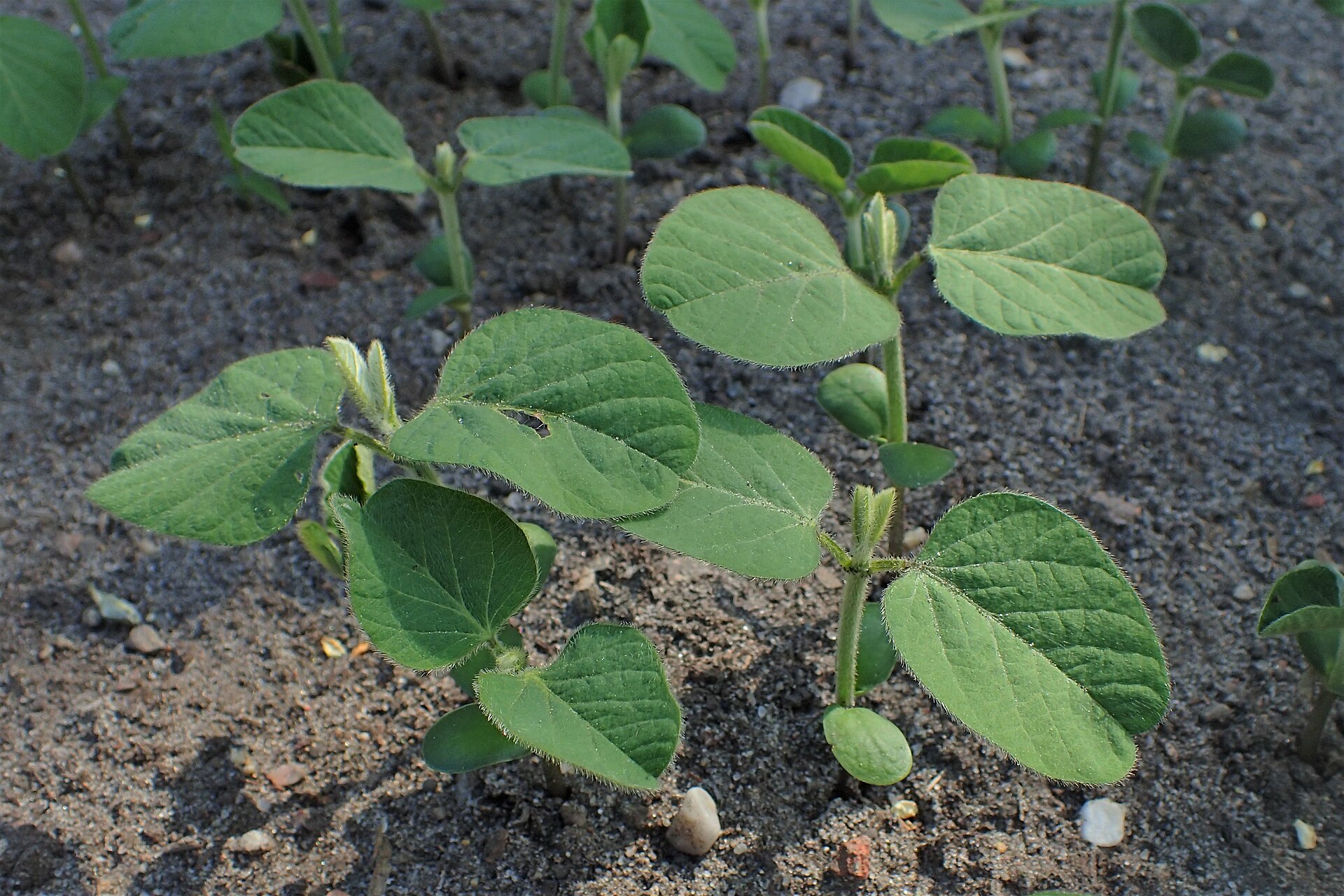
Excessive salt consumption is widely recognized for its role in raising blood pressure, but emerging evidence indicates it also harms cognitive function and emotional well-being. A new study from Japan identifies a soy-derived compound, LPC70, that appears to mitigate these specific brain and cardiovascular damages in mice.
Researchers at Fujita Health University and Tsuji Oil Mills Co., Ltd. found that LPC70, a form of soy lysolecithin with high lysophosphatidylcholine content, restores normal signaling pathways disrupted by a high-salt diet. The findings, published in Neurochemistry International, suggest this natural ingredient could serve as a functional food component to protect against the neurological side effects of salty diets.
LPC70 Restores Prostaglandin Signaling in Kidneys and Brain
The study focused on prostaglandins, signaling molecules derived from arachidonic acid that regulate blood vessel width and inflammation. In the cardiovascular system, these molecules help control blood pressure. In the brain, their effects are more complex, influencing nerve cell protection and cognitive processes.
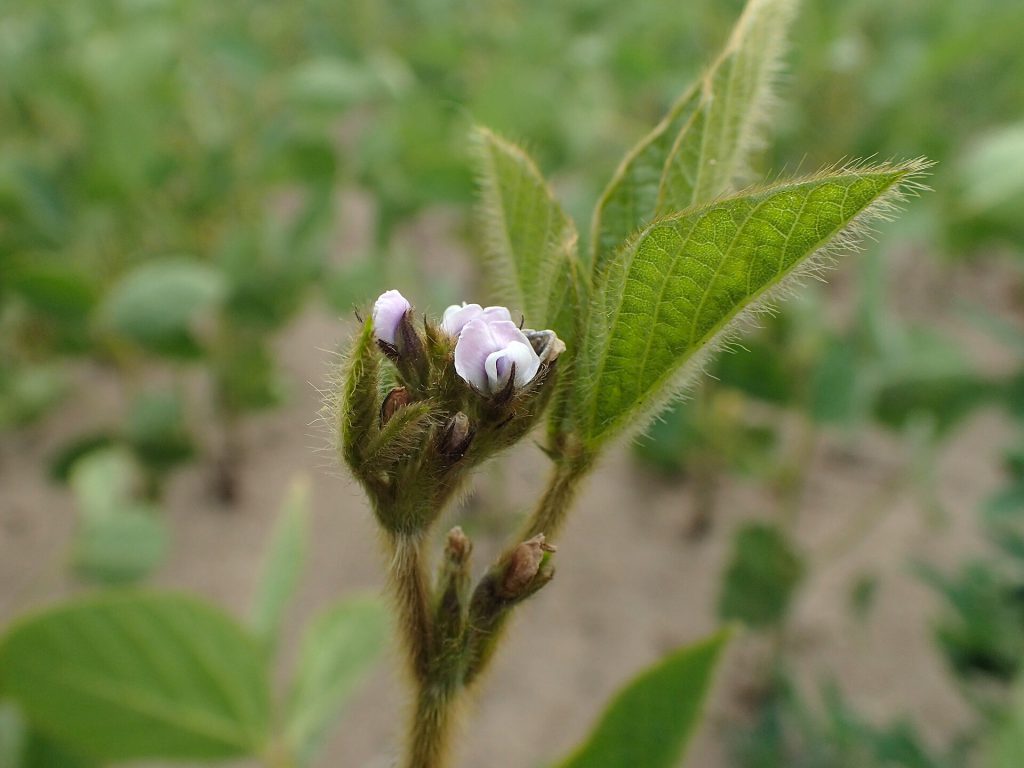
Dr. Hisayoshi Kubota, the study’s first author, and Professor Akihiro Mouri examined how LPC70 influenced these pathways. They observed that a high-salt diet increased the expression of cyclooxygenase-2 (COX-2) and the PGE2 receptor EP3 in the kidneys. These changes are linked to the development of hypertension.
When mice were supplemented with LPC70, these salt-induced increases in kidney signaling were reduced. This suggests the compound helps correct the molecular changes that lead to high blood pressure.
In the brain, the compound acted differently but with a similar protective outcome. Excess salt reduced the expression of the PGD2 receptor DP1 in the prefrontal cortex, a region critical for memory and social behavior. LPC70 restored the expression of this specific receptor without affecting DP2, another receptor associated with potential nerve cell damage. This selective restoration likely explains the improvements in cognitive function observed in the animals.
Improvements in Memory and Social Behavior
Mice fed a high-salt diet exhibited clear signs of cognitive impairment. They became less socially interactive and struggled with object recognition memory, indicating difficulties in recalling familiar items. However, their general movement and anxiety levels remained unchanged, suggesting that high salt selectively disrupts complex cognitive functions rather than causing broad behavioral issues.
Supplementing the diet with LPC70 reversed these deficits. The mice showed improved social interaction and better performance on memory tests. Blood pressure readings also returned to healthier levels.
The researchers also noted an unexpected shift in arachidonic acid levels. While high salt intake lowered circulating arachidonic acid, LPC70 supplementation led to an increase in prostaglandins derived from this fatty acid, including PGE2 and PGD2. This indicates that LPC70 may help the body utilize available arachidonic acid more efficiently to produce protective signaling molecules under high-salt conditions.
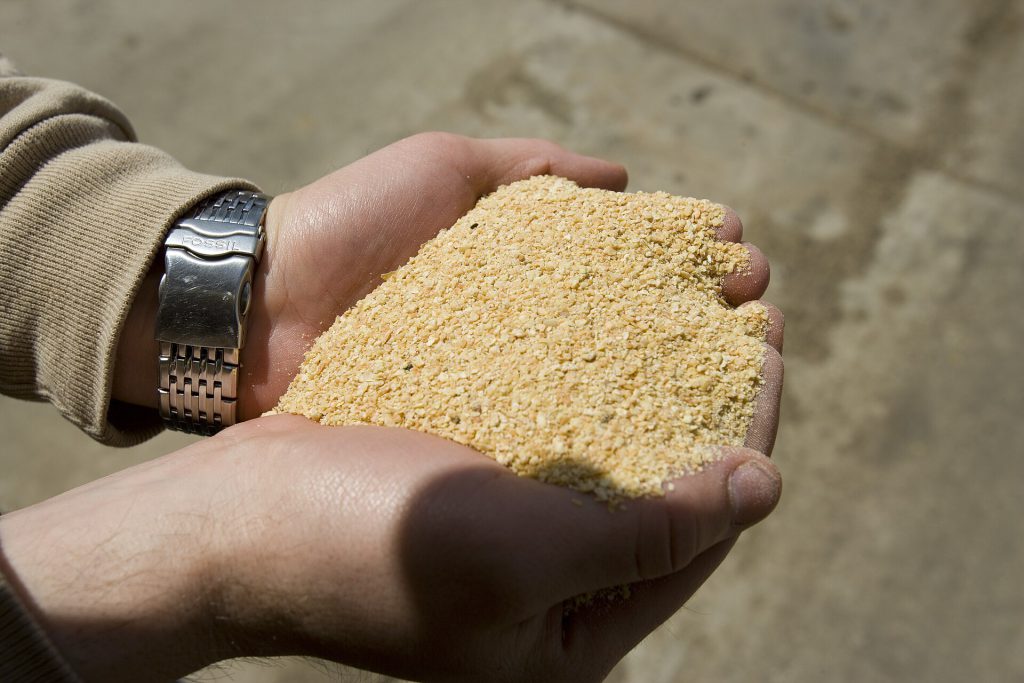
“We wanted to understand the role of LPC70 in coordinating changes in PG signaling across organ systems,” Prof. Mouri stated. “Our study originated from a collaborative research project with Tsuji Oil Mills Co., Ltd, a company that develops naturally derived food ingredients.”
While the results are promising, the study was conducted on mice. Further clinical research is required to determine if LPC70 provides similar benefits for human health. The team plans to use these findings to guide future dietary interventions aimed at reducing hypertension-related cognitive decline.
Source: ScienceDaily
