


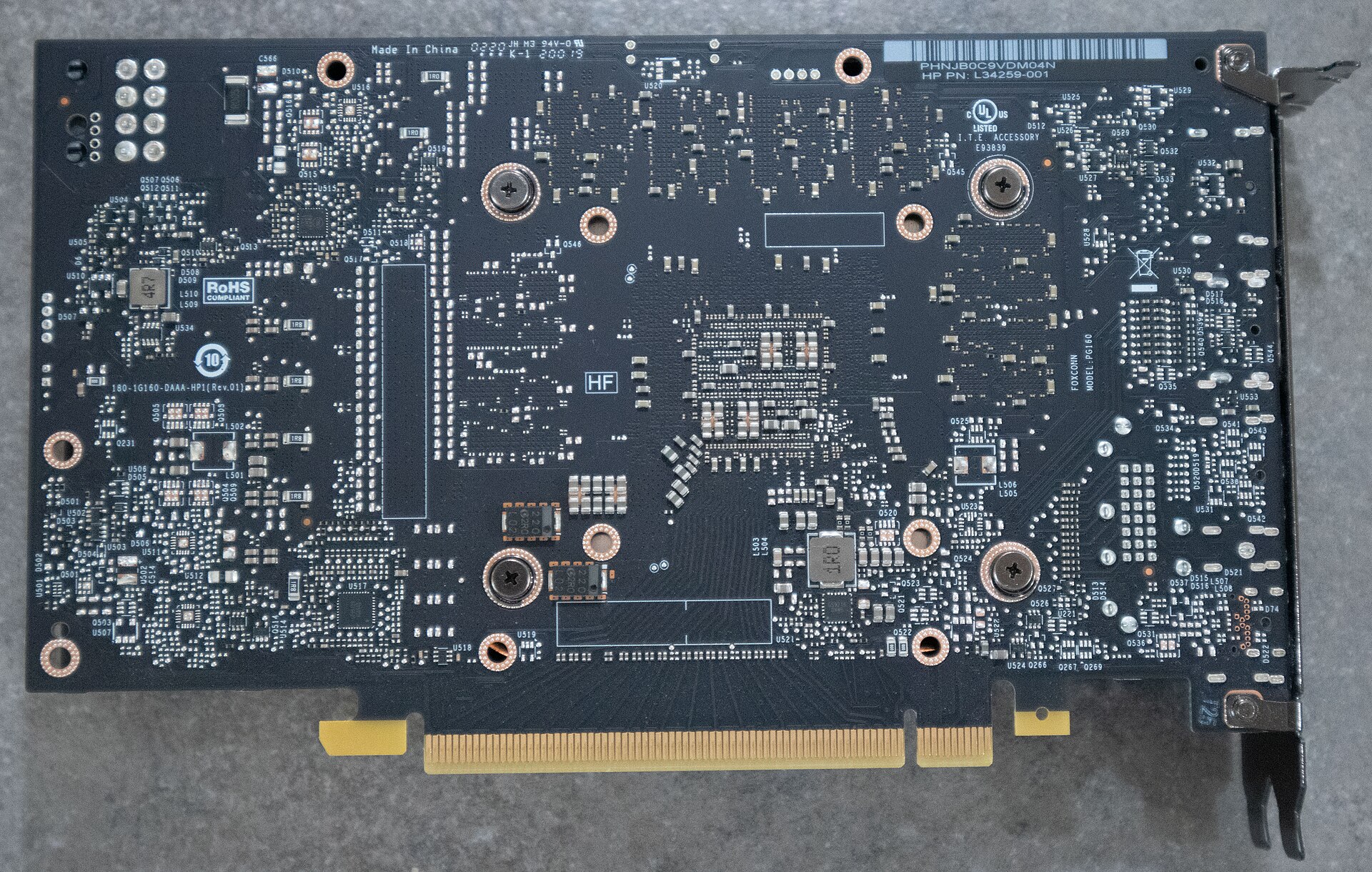
Consumer technology is facing a severe supply crisis as artificial intelligence data centers consume memory chips at a rate that outpaces manufacturing. The resulting shortage has triggered what industry observers are calling “chipflation,” a period where component prices have risen dramatically faster than general inflation. This shift is leaving everyday buyers with significantly higher costs for graphics cards, laptops, and gaming consoles.
Consumer GPU prices skyrocket
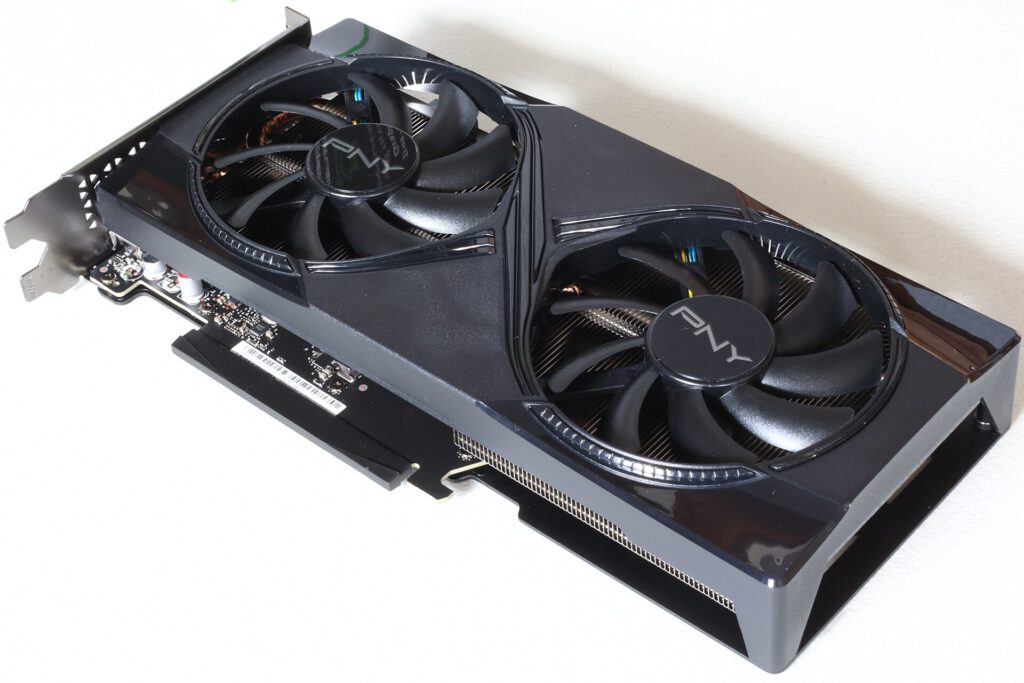
The impact on the retail market is stark. According to a report by JP Morgan, dynamic random access memory (DRAM) prices are projected to rise by 400 percent from 2024 levels by the end of 2026. This trend is already visible in the pricing of high-end graphics cards. The Tom’s Hardware chips tracker indicates that Nvidia’s GeForce RTX 5090, which launched in January 2025 with a suggested retail price of $1,999, is currently selling for approximately $4,920 above that MSRP.
This premium is not limited to the United States. In Japan, gaming graphics cards are trading at prices roughly 41 percent higher than their American counterparts. The broader consumer electronics sector is also feeling the strain. The Consumer Price Index for software and accessories has increased by nearly 25 percent over the last two years, according to the same JP Morgan report. The Economist noted similar price hikes for video game consoles and laptops, which contributed to an unusual drop in PC shipments in 2026.
Resellers have capitalized on the scarcity. Companies like GameStop are marketing Sony’s PlayStation 5 Pro for about $500 above its manufacturer’s suggested retail price. The shortage is expected to persist well into the next decade, with many chip producers having already sold the majority of their 2027 inventory and shifting focus to sales extending into 2028 and beyond.
HBM demand crowds out consumer memory
The root of the GPU price surge is a fundamental shift in how memory is produced and allocated. The industry is currently transitioning from DDR4 to DDR5 memory formats, a process that naturally stalls supply as manufacturers retool production lines. However, the rapid expansion of AI data centers has exacerbated the shortage by creating massive demand for high-bandwidth memory (HBM).
HBM is a specialized form of DRAM that offers faster connections and greater bandwidth, which is essential for training and running large AI models. Because HBM competes for the same wafer capacity as traditional DRAM, suppliers have redirected production toward this more profitable product. HBM chips sell for roughly 30 percent more than standard DRAM, providing a strong financial incentive for manufacturers to prioritize AI clients over consumer electronics makers.
Complicating matters further is the industry’s transition to the next generation of HBM, specifically HBM4 and HBM4E. This technological shift limits immediate supply as factories adjust to new production requirements. A Samsung executive told Reuters in September that HBM could account for nearly 30 percent of total DRAM production in 2027, up from 20 percent in 2026. Some projections suggest this figure could reach 40 percent by 2029. Currently, AI data centers are expected to consume approximately 70 percent of global DRAM supplies this year.
Manufacturers forecast long-term tightness
The memory market is highly concentrated, with Micron Technologies, Samsung Electronics, and SK Hynix controlling roughly 90 percent of global DRAM production. All three companies are pivoting resources toward data center needs, often at the expense of consumer GPU availability. Micron, for example, stopped direct-to-consumer sales last year to focus entirely on AI production.
Industry leaders have issued stark warnings about the future supply landscape. Micron CEO Sanjay Mehrotra stated on an earnings call that supply will be “much tighter in calendar 2027 and 2028” than it is in 2026. SK Hynix CEO Kwak Noh-jung told Reuters in July that the coming year would be the worst in the industry’s history from a supply perspective. SK Hynix chairman Chey Tae-won added at a Nvidia event that it will take at least four to five years to build adequate wafer supply, with production lagging 20 percent behind demand until at least 2030.
Major suppliers have already locked in most of their near-term capacity. Micron has reportedly sold 75 percent of its 2027 HBM output, with CEO Sanjay Mehrotra noting that these contracts were struck at prices “much higher than 2026 prices.” Samsung has sold almost 80 percent of its 2027 memory output, with roughly 70 percent tied up in five-year contracts, according to Korean investment firm KB Securities.
While some analysts, such as Acer CEO Jason Chen, suggest prices might plateau due to potential Chinese alternatives, major players remain skeptical of a surplus. Nvidia CEO Jensen Huang dismissed the idea of a supply glut, telling CNBC, “One of the things that’s really great about memory is that you can always use more of it.”
Source: Engadget
