


Luke Alfano was 21 when his father died of cancer, just two weeks after receiving a diagnosis. The sudden loss left him without a clear path to process his emotions. Five years later, he established Too Young to Grieve, a peer support network designed for young adults navigating similar losses.
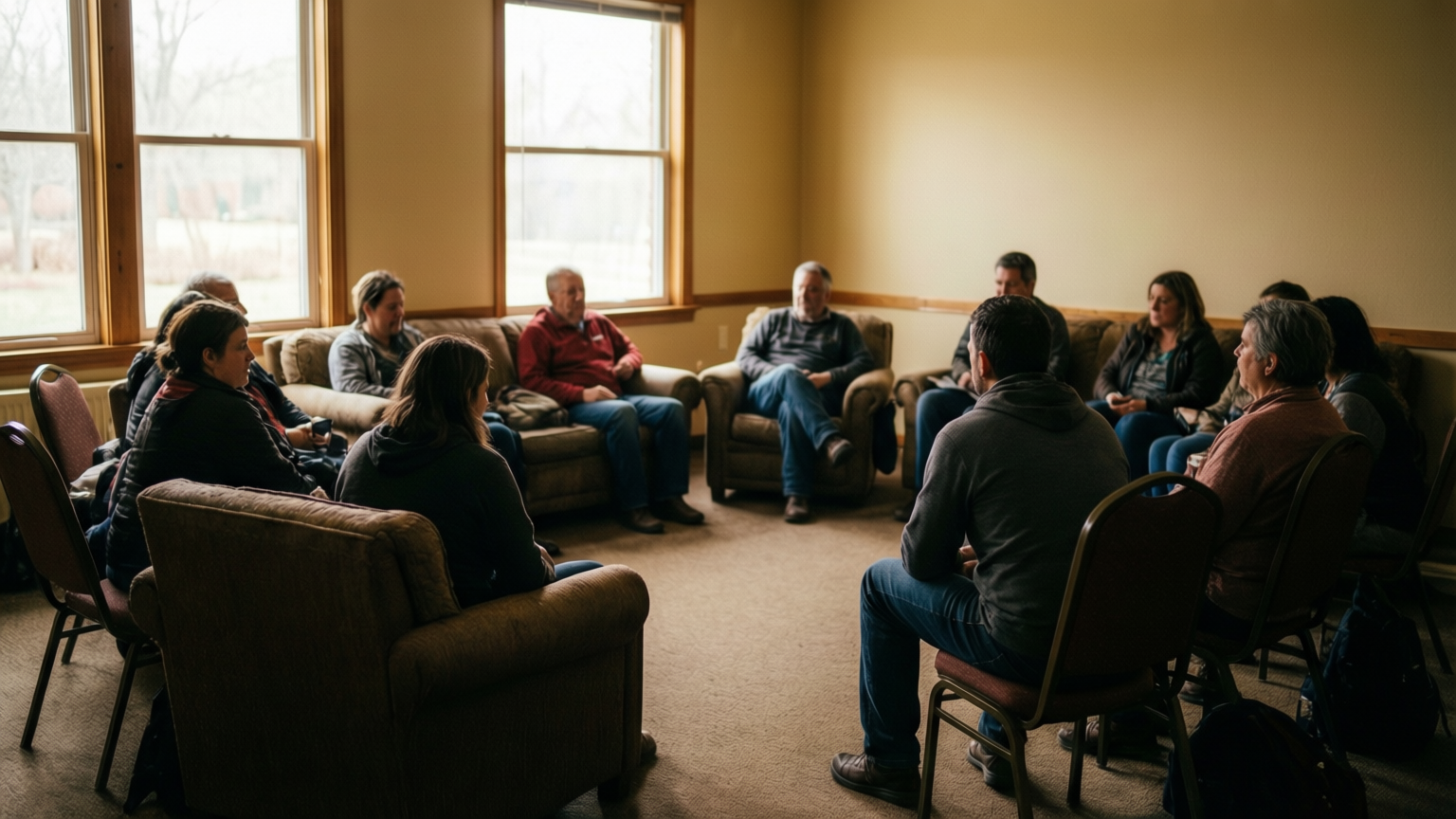
The organization provides a casual environment where members can discuss their feelings, share memories, and find comfort in knowing others understand their experience. What began as a personal initiative has grown into a global network with chapters in more than 20 locations, including London, Manchester, the United States, Australia, and most recently, Belfast.
Building a Community Through Shared Loss
Alfano launched the group after realizing he had not fully processed his father’s death when he lost his grandmother at age 25. He recognized a gap in support for young adults who are often expected to handle major life decisions while simultaneously dealing with profound grief.
The community organizes various activities to bring members together. These range from outdoor walks and hikes to pottery painting and football tournaments. The goal is to create a space where people can talk about their loved ones and their feelings without judgment.
Chris Guiller, who runs the Belfast branch, joined the group almost two years after his father died at age 57. He noted that losing a parent at such a young age is difficult because it contradicts the expectation that parents will be around for much longer. The group provided him with a sense of normalcy and connection.
Katherine Macauley, 32, lost her fiancé Peter in a workplace accident two days before Christmas in 2025. She described the community as a vital resource for finding coping mechanisms. She emphasized that sharing experiences with others who have faced similar tragedies helps members comfort each other and realize they are not alone.
Mental Health and Regional Support Needs
For William Gregg, whose mother died in 2017, the group has been essential for his mental health. He struggled to handle his grief initially and felt isolated. The community offered him a space to express himself freely and build friendships with people who could relate to his situation.
Guiller highlighted that such support is particularly needed in Northern Ireland. Academics have previously noted that the region spends less on mental health services per head than other parts of the UK and Ireland, despite dealing with more complex cases. He stated that the group helps people who might otherwise feel isolated and suffer in silence.
Alfano hopes to see better signposting of grief resources in schools and universities. Last year, the Department for Education published statutory guidance stating that lessons on loss and bereavement should be included in primary and secondary school curricula starting in September 2026. A spokesperson for the Department noted that schools already have pastoral care policies and that the Council for the Curriculum, Examinations and Assessment provides resources on grief for both primary and post-primary levels.
Reflecting on the legacy of his father, Alfano joked that while his dad wanted him to be a professional footballer, the community they have built could fill professional stadiums. The group continues to grow, offering a tangible support system for young adults facing the hardest moments of their lives.
Source: BBC
