


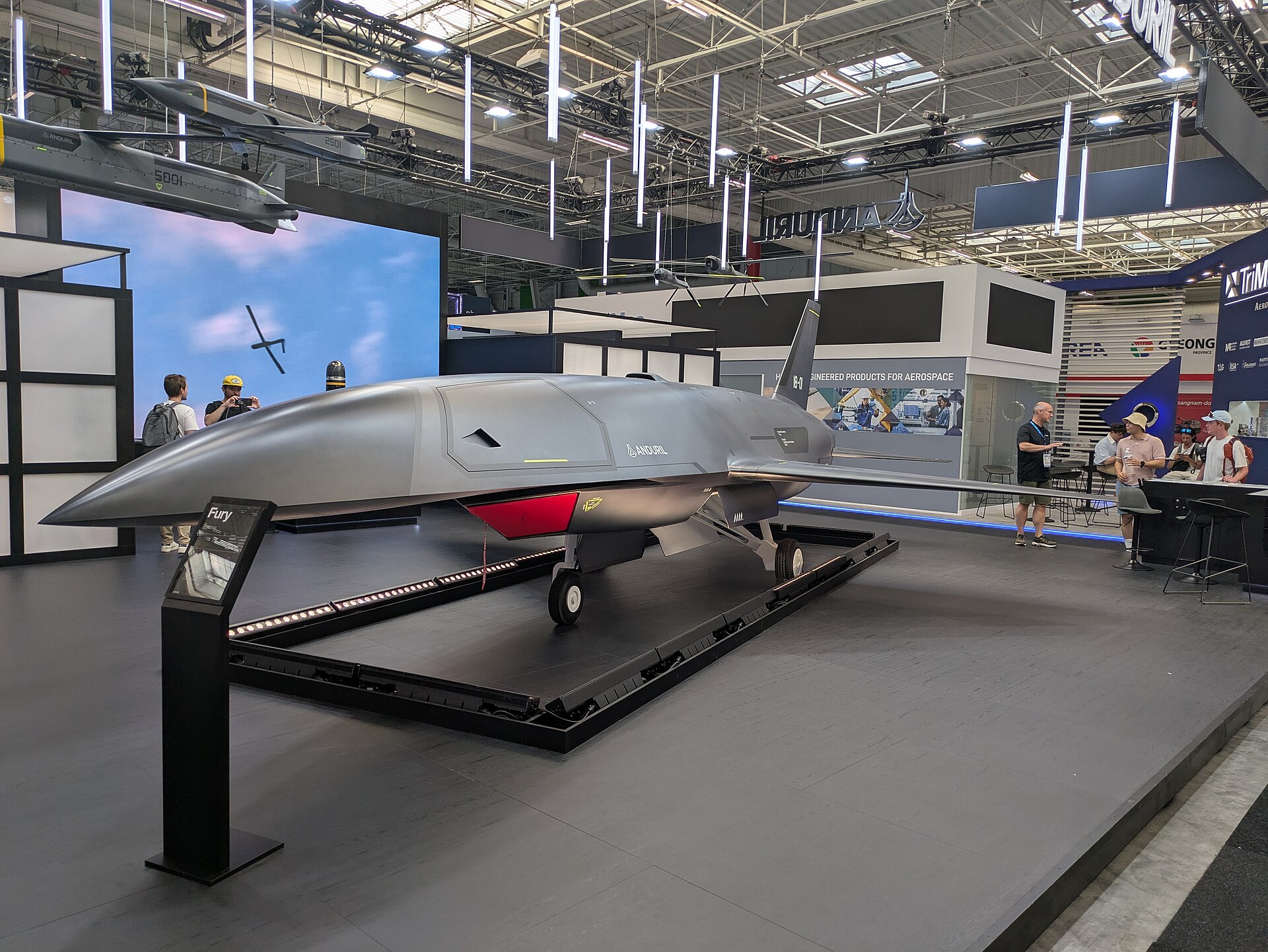
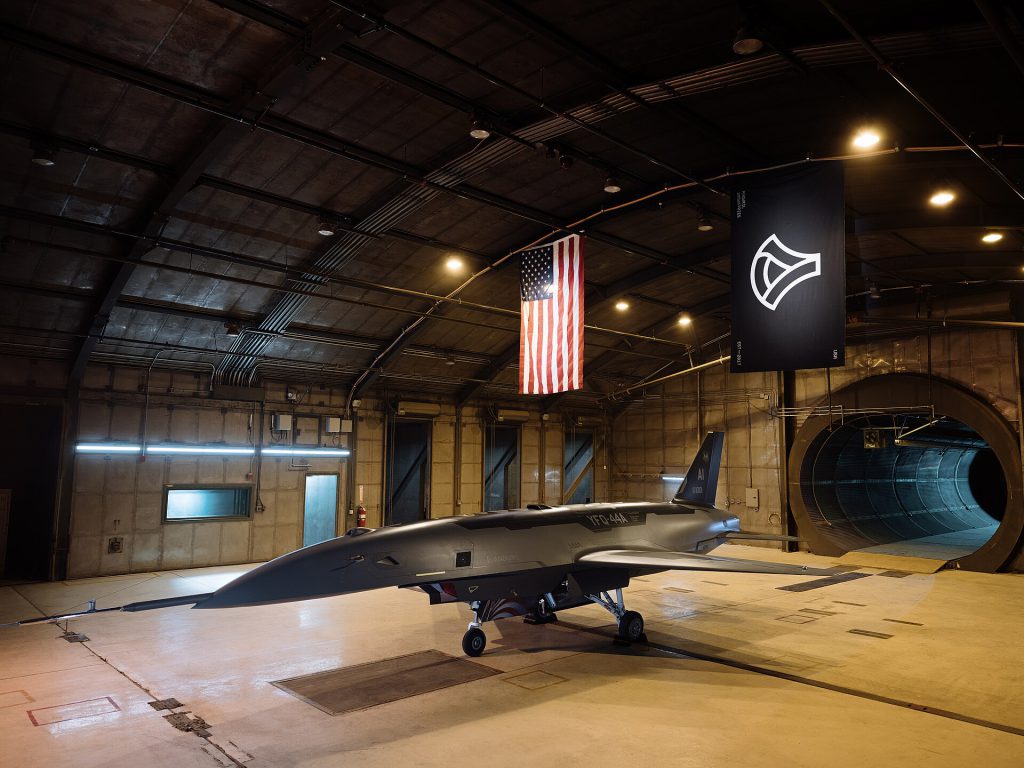
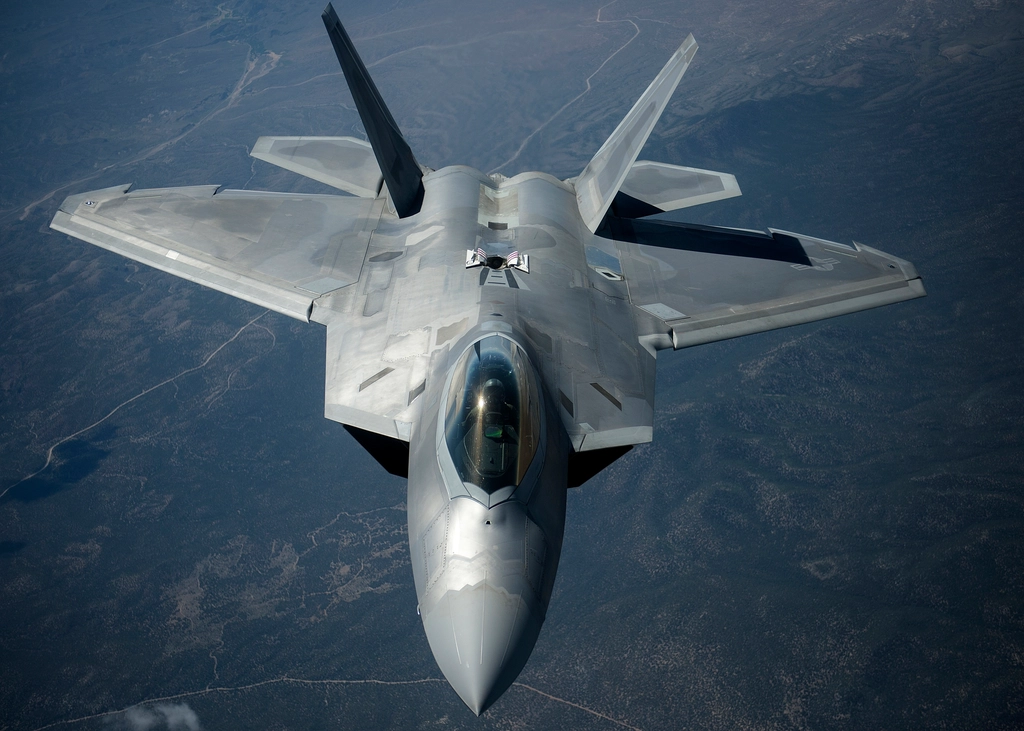
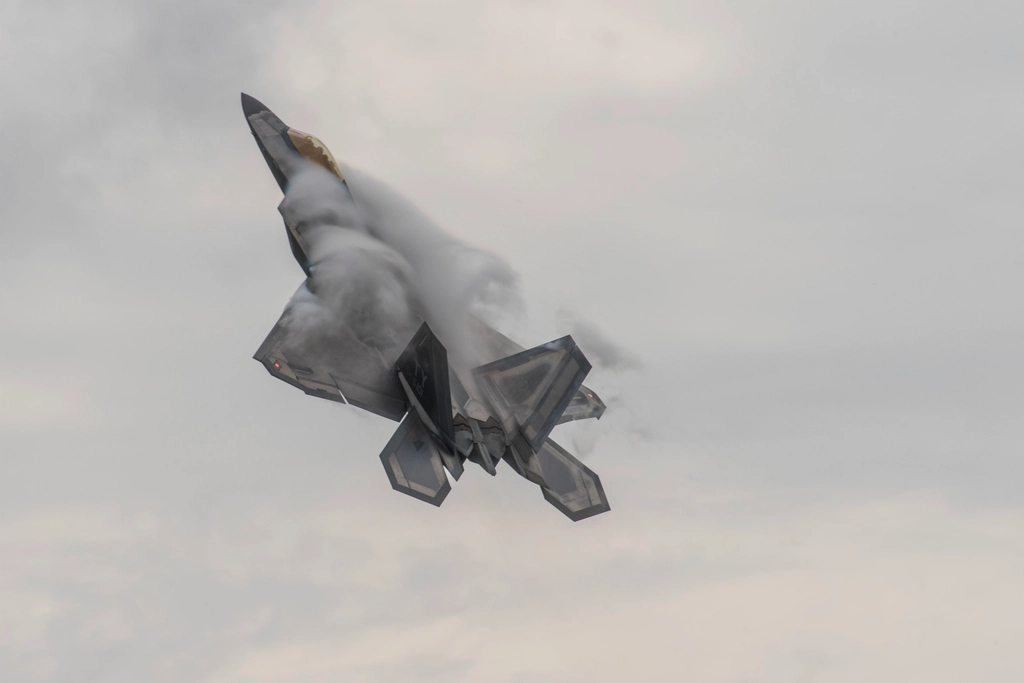
The U.S. Air Force has completed an airborne test in which an F-22 Raptor pilot directed an Anduril YFQ-44A Fury drone during simulated combat. According to The Defense Watch, the fighter pilot issued tactical commands to the autonomous wingman, which then interpreted those instructions into specific flight maneuvers and tasks to achieve the desired outcome.
This successful test is a component of the USAF’s Collaborative Combat Aircraft (CCA) program. The initiative aims to integrate uncrewed aircraft into fighter squadrons. For this concept to work, the drones must respond to tactical commands from the pilot and then operate autonomously. Fighter pilots already manage a heavy workload, including flying their aircraft, monitoring sensor data, assessing threats, and making weapons release decisions. Requiring them to manually fly a drone is considered next to impossible.
Command Integration and Tactical Autonomy
Command integration allows the F-22 Raptor pilot to assign the Fury drone a specific tactical task while focusing on the primary mission. For example, the pilot could direct the drone to monitor for and engage enemy air defenses, while the pilot concentrates on taking out enemy fighters. This division of labor is intended to act as a force multiplier, allowing a single pilot to command multiple jets to achieve missions at a lower cost compared to using all-crewed aircraft.
The USAF views autonomous drones as a way to enhance air power. Other nations, including Sweden and China, are also experimenting with similar concepts where a single operator takes command of multiple drones. However, the CCA program distinguishes itself by focusing specifically on air power rather than ground-based operations.
Remaining Hurdles for Operational Status
A successful command integration test does not mean the USAF can immediately deploy drones alongside fighter jets in frontline squadrons. This achievement represents just the first of several hurdles the program must clear before reaching operational status. The Air Force still needs to determine the limits of the drone’s tactical autonomy, establish safe flight control protocols, and define weapons authorization procedures. These are separate functions that must be tested individually.
Further testing is required to see how the drone performs under electronic interference. The program must also evaluate how the aircraft can operate continuously if it loses the ability to receive instructions due to interrupted communications. Beyond technical capabilities, the USAF must incorporate the drone into existing fighter doctrine.
Integration into the USAF’s logistics and supply chain presents another layer of complexity. This includes establishing procedures for drone maintenance and service, weapons handling, deployment protocols, and forward airbase operations that may have limited infrastructure. The CCA program still has a long way to go before it can begin operational deployment, but the Air Force remains intent on pushing the project forward.
Source: Tom’s Hardware
