


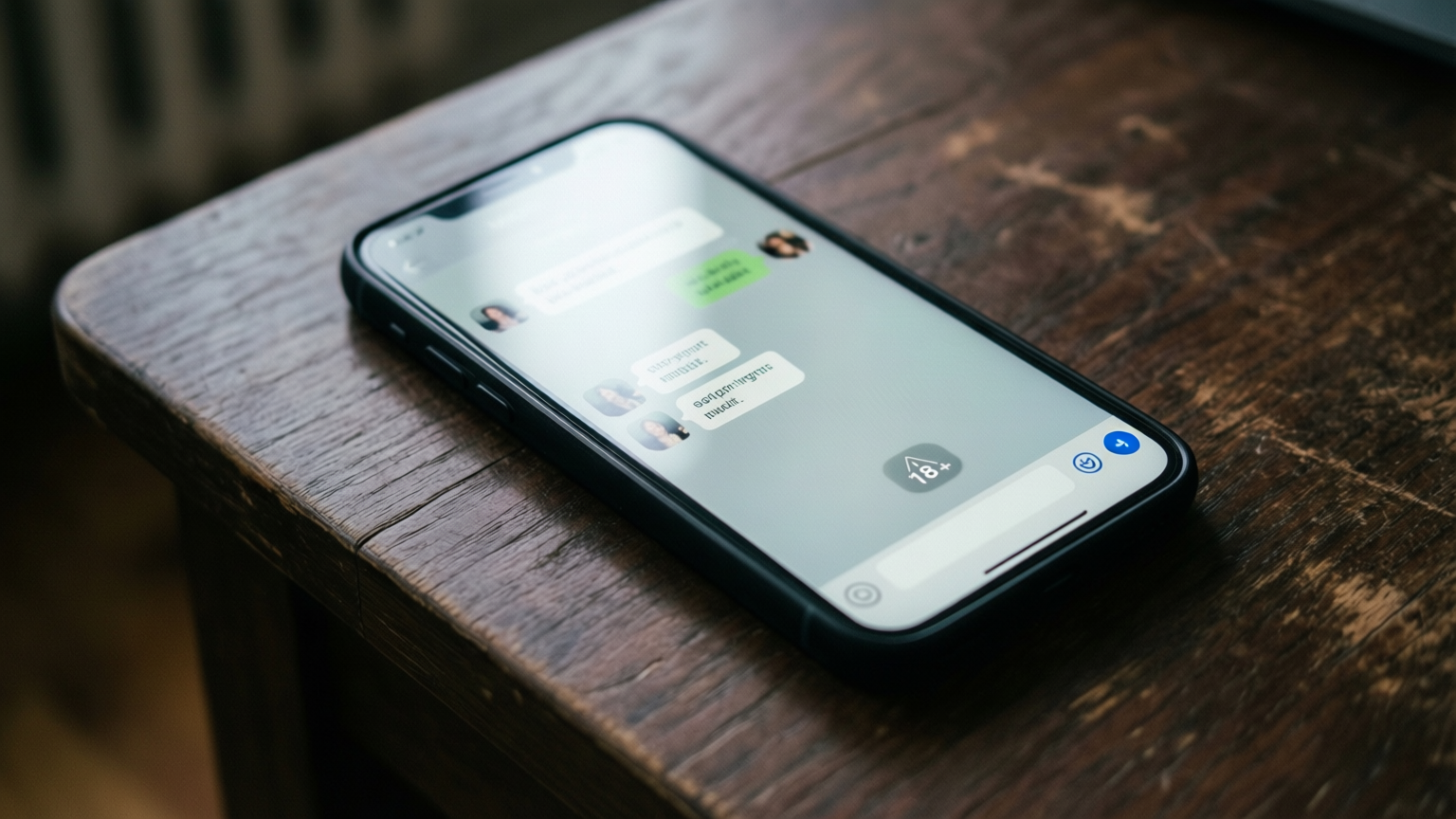
OnlyFans creators are raising concerns about Meta’s decision to permit its generative AI agent, Muse, to engage in explicit conversations with adult users. The move has sparked debate over platform moderation policies, as many adult content creators struggle with restrictions on their own social media accounts.
Double Standards in Content Moderation
Vanniall, an OnlyFans creator based in New York City, reported that she frequently encounters hyperrealistic deepfakes of herself online. These AI-generated images and videos often circulate without her ability to secure their removal. Additionally, she faces ongoing challenges in building an audience on Instagram, where her account has been restricted and requires login to view.
When informed about Meta’s allowance of explicit interactions with Muse, Vanniall expressed frustration. She noted the disparity between Meta’s willingness to monetize a sexually active AI agent and its restrictions on real adults engaging in sensuality on the platform.
This sentiment is shared by other adult content creators who question why their accounts face frequent restrictions while Meta’s AI agent operates without similar constraints. A Meta spokesperson, Tracy Clayton, clarified that private, one-to-one conversations between adults and an individualized AI agent on an 18-plus platform differ significantly from the marketing of services on social media.
Muse’s Expansion and Adult Content
Muse, Meta’s always-on AI agent, has gained significant traction since its release. The app allows users to text a digital assistant that can access personal data like calendars and emails to provide proactive help. Its integration with Meta’s distribution network, including Instagram and Facebook, helped it reach the top of download charts in its first month.
While Muse generates explicit text, it does not produce images or videos. Meta has stated it will not block legal adult behavior within the app. This approach contrasts with the moderation policies on Instagram, where adult content creators often face stricter enforcement.
Other social media platforms in the United States, such as X and Bluesky, allow sexually explicit content. Many OnlyFans creators have migrated to these platforms to connect with fans and draw in new subscribers. Jiz Lee, an OnlyFans creator and queer porn industry veteran, noted that AI is increasingly allowed to do more than humans would get away with on social media.
Industry Concerns and Future Implications
Lee traces many online censorship issues to the 2018 FOSTA-SESTA law, which impacted Section 230 protections for platforms. This legislation led many websites to censor adult content. Lee advocates for the decriminalization of sex work to address these censorship issues.
Concerns also extend to how AI models are trained. Lee questions whether Meta compensated individuals for data used in training Muse. The adult content industry is beginning to clarify AI usage in contracts to protect performers from being included in AI training data.
Tony Genius, an OnlyFans creator and adult film actor, observed that AI agents are often booed at award shows. He worries about fully AI-generated porn potentially displacing human performers. However, he sees current AI tools as helpful for marketing tasks, such as clipping video segments for social media.
Genius, who has managed multiple Instagram accounts over the past five years, questions why Meta created an 18-plus app for Muse but not an adults-only space on social media. He suggested a potential platform like “Instacam” could address this gap. While open to collaborating with tech companies to create an AI version of himself, Genius emphasizes the importance of human authenticity in connecting with audiences.
Vanniall remains opposed to using AI agents like Muse. She urged users to stop downloading the app, citing concerns about giving Meta more personal information and financial resources.
Source: Wired
