


China’s economy expanded by 4.5% in the third quarter, marking a rebound from a three-year low and landing at the lower end of the government’s annual target range. The National Bureau of Statistics reported that the growth was primarily fueled by a surge in high-tech exports, particularly those linked to the artificial intelligence sector.
The figure sits below the 5% expansion recorded in the first quarter but aligns with Beijing’s stated goal of 4.5% to 5%. Analysts note that this positioning provides policymakers with flexibility to introduce further stimulus measures to address lingering economic headwinds.
AI Boom Drives Export Surge
Official data revealed that sales of high-tech goods rose by 14.3% compared to the same period last year. Production of industrial robots and batteries grew by more than 29%, reflecting strong global demand for components used in AI data centers.
This export strength has helped offset weak domestic consumption. China’s trade surplus is on track to exceed the record $1.2 trillion set last year. Sheana Yue, a researcher at Oxford Economics, stated that manufacturing and high-tech exports have been the primary drivers of growth, compensating for sluggish investment and spending at home.
The technology industry has become a critical pillar for the world’s second-largest economy. As global demand for computer chips and related infrastructure components rises, Chinese manufacturers have found a reliable external engine to sustain production levels.
Property Slump and Domestic Weakness
Despite the export gains, significant structural challenges remain. Property investment fell by more than 20% in the first nine months of the year, underscoring the depth of the real estate crisis. The sector has been burdened by years of overbuilding and excessive borrowing by private developers.
Yue noted that there are no immediate signs that the property downturn will reverse. The prolonged slump, combined with weak wage growth and high youth unemployment, has made consumers more pessimistic and less willing to spend.
Geopolitical tensions and global trade uncertainties have further dampened domestic confidence. Dave Chia, an economist at Moody’s Analytics, highlighted the risk of relying on a “single external engine” for growth. He pointed out that the effects of Beijing’s recent targeted support measures for businesses have yet to materialize in the broader economy.
In September, the government unveiled a package of support measures, including lower interest rates for certain businesses and subsidies for property buyers. However, the impact of these interventions remains to be seen as the economy navigates a complex transition.
Global Trade Tensions
China’s export success has triggered backlash from Western economies, including the United States and the European Union. Manufacturers in these regions struggle to compete with large volumes of affordable Chinese goods, leading to increased scrutiny and potential trade barriers.
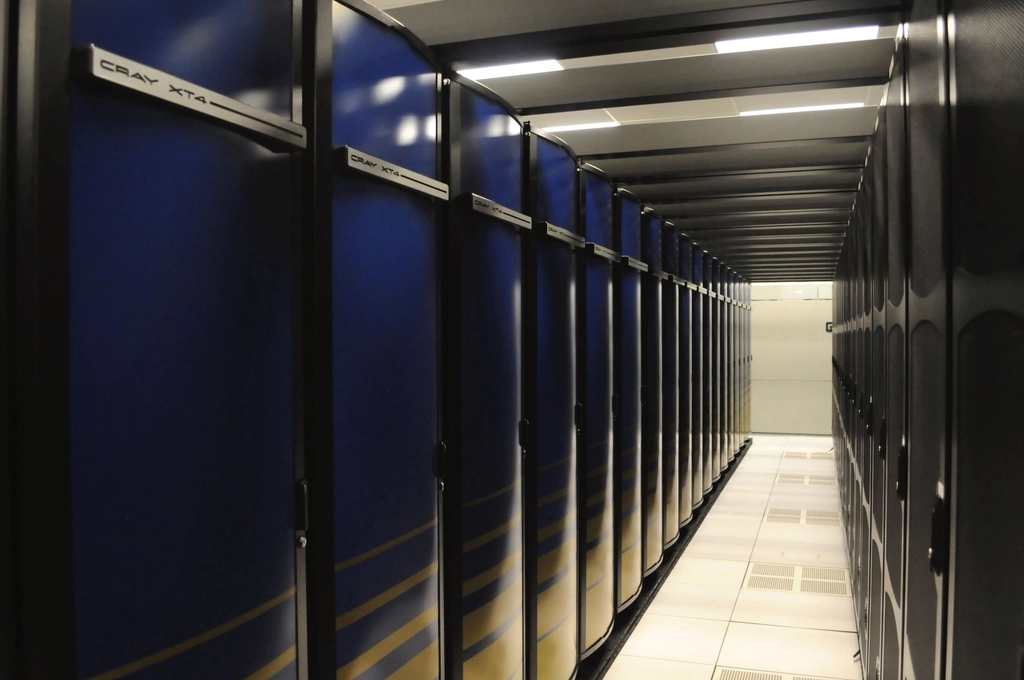
Investors are also questioning the sustainability of billions of dollars being spent on AI infrastructure. Concerns persist regarding whether companies making these heavy investments can deliver on promises of generating substantial profits in the near term.
The National Bureau of Statistics described the economy as having “sustained steady development against pressure,” citing momentum from new growth drivers and an improving industrial structure. However, the divergence between booming tech exports and a struggling property market highlights the uneven nature of the current recovery.
Source: BBC
