


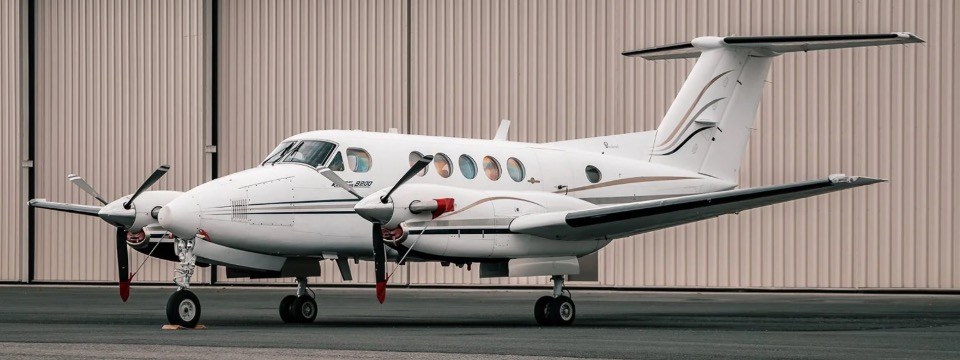
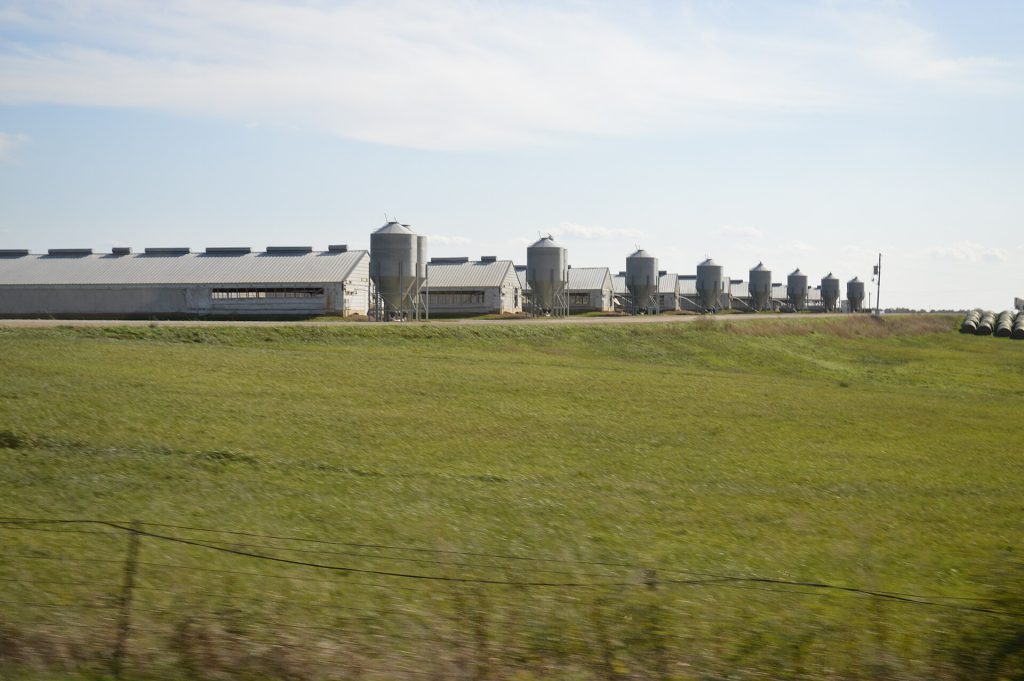
NASA will conduct low-altitude research flights over farmland near Amarillo, Texas, starting Thursday, Oct. 22, and continuing through Monday, Nov. 9. The flights aim to measure gaseous and particulate emissions rising from animal feeding operations in the region.
The mission, known as FarmFlux, is a joint effort led by NASA’s Goddard Space Flight Center in Greenbelt, Maryland, alongside Colorado State University and Boston University. The project addresses a gap in current scientific understanding, as agricultural emissions remain an important but understudied component of Earth’s land and atmosphere systems.
FarmFlux Mission Details
A NASA Dynamic Aviation A200 aircraft will serve as the primary platform for these initial flights. The aircraft will carry more than a dozen sensors designed to capture data on various pollutants. According to NASA, these sensors will measure ozone, methane, ammonia, particulates, and other substances emitted from crop lands and livestock farms.
The goal is to understand how these emissions interact with the Earth’s atmosphere. By deploying this specific instrumentation over active agricultural zones, researchers hope to gather precise data on the volume and composition of gases released during standard farming operations.
Future Research Plans
Following the Texas campaign, NASA has scheduled additional low-altitude research flights for the March to July 2027 growing season. These subsequent missions will utilize a NASA P-3 Orion aircraft.
The 2027 flights will shift focus to cropland rather than livestock operations. The geographic scope will also expand to include the Midwest and California’s Central Valley. This phased approach allows researchers to study different types of agricultural emissions across major U.S. farming regions.
The FarmFlux mission represents a coordinated effort to map out the atmospheric impact of American agriculture. By combining data from multiple aircraft types and locations, the project seeks to build a more complete picture of how farming activities influence air quality and atmospheric chemistry.
Source: NASA
