


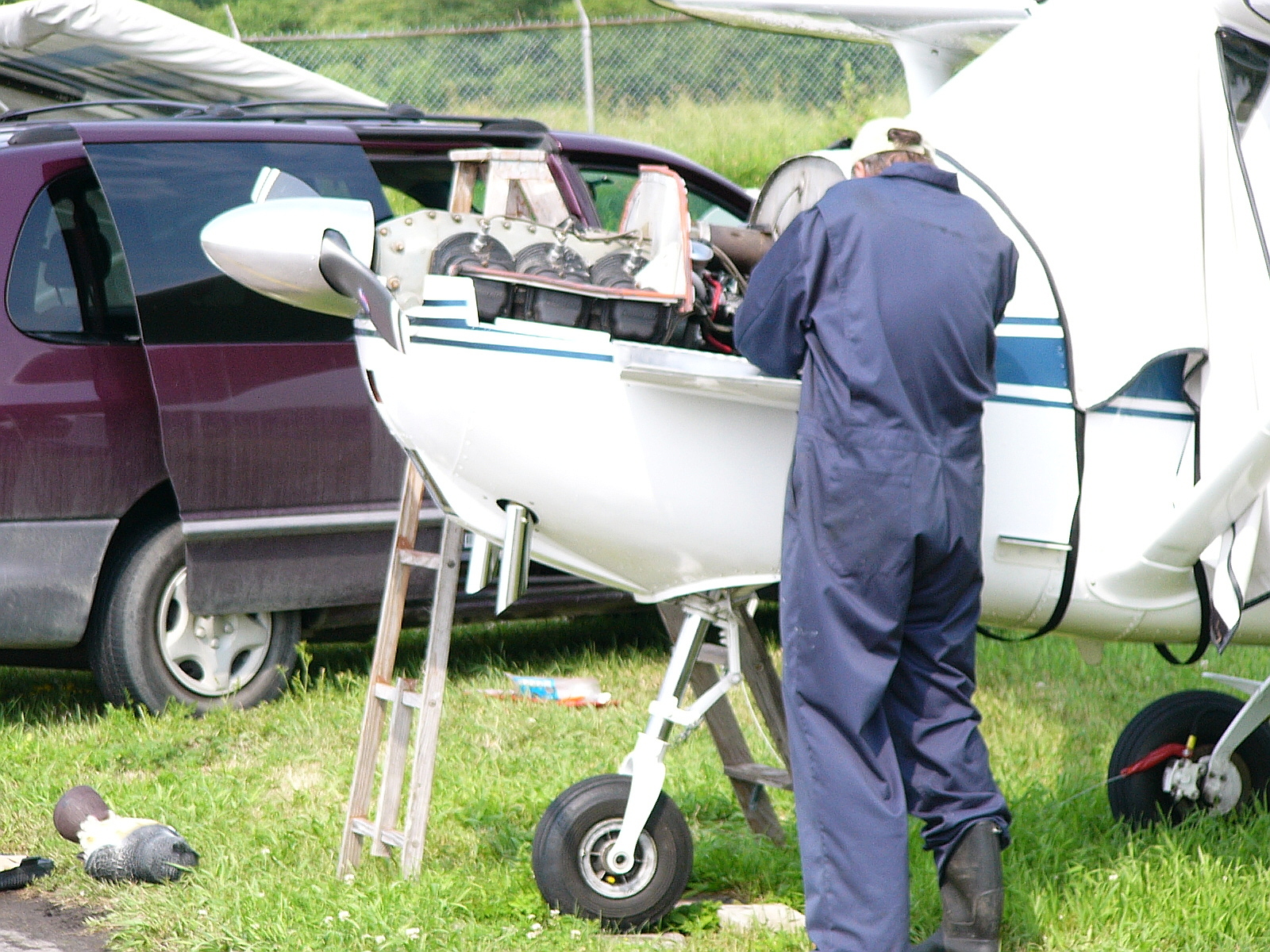
The US Department of Transportation has announced a delay in the implementation of a new regulation concerning airline maintenance disruptions. The rule, which was originally scheduled to take effect on October 19, will now be held until January 1, 2027. This postponement affects how carriers handle passenger expenses during certain flight delays.
Mechanical delays and passenger expenses
The regulation stems from a broader aviation bill passed by Congress in 2024. The measure aimed to redefine which flight disruptions are considered within an airline’s control. Currently, many carriers reimburse passengers for meals, hotels, and ground transportation when a flight is canceled or significantly delayed due to mechanical issues. These disruptions are typically classified as controllable by the carrier.
Under the proposed changes, specific unscheduled maintenance incidents would no longer fall under this category. The DOT noted that issues requiring immediate attention before a flight departs would be exempt from the previous consumer guarantees. This shift would likely reduce the number of delays for which airlines provide amenities or compensation.
The agency stated in its final rule documentation that the number of delays and cancellations triggering carrier-provided amenities is expected to decline. This change would primarily impact passengers stranded by mechanical failures that prevent a flight from departing on time.
Other disruptions and refund policies
The rule change also addresses other types of flight disruptions. While maintenance issues might be reclassified, delays caused by crew scheduling remain within the airline’s control. Carriers will still be responsible for covering passenger expenses in these scenarios. The DOT advised travelers to request reimbursement if they are stranded, noting that asking is always an option.
Disruptions caused by weather or air traffic control issues have historically been classified as uncontrollable. Passengers typically bear the cost for their own expenses in these situations. Some credit cards offer travel insurance that can help offset these costs, but the federal rule change does not alter this baseline.
Importantly, the delay in the maintenance rule does not affect federal refund policies. Passengers are still entitled to a full refund if their flight is canceled or significantly delayed, regardless of the reason, provided they choose not to travel. This right to a refund remains separate from the rules regarding additional amenities like hotels or meals.
The Department of Transportation had initially planned to enforce the new standards this week. The decision to push the implementation date to the start of 2027 gives airlines more time to adjust their policies and inform customers of the upcoming changes. Travelers should monitor FlightRights.gov for updates on carrier promises and their specific rights during disruptions.
Source: The Points Guy
