



OpenBSD 8.0 has officially landed, bringing the project to its 61st release. This update continues the semiannual release schedule that has been in place since 1996. The operating system, which began as a fork of NetBSD more than 30 years ago, remains one of the most security-conscious platforms in active development.
New Hardware and Virtualization Features
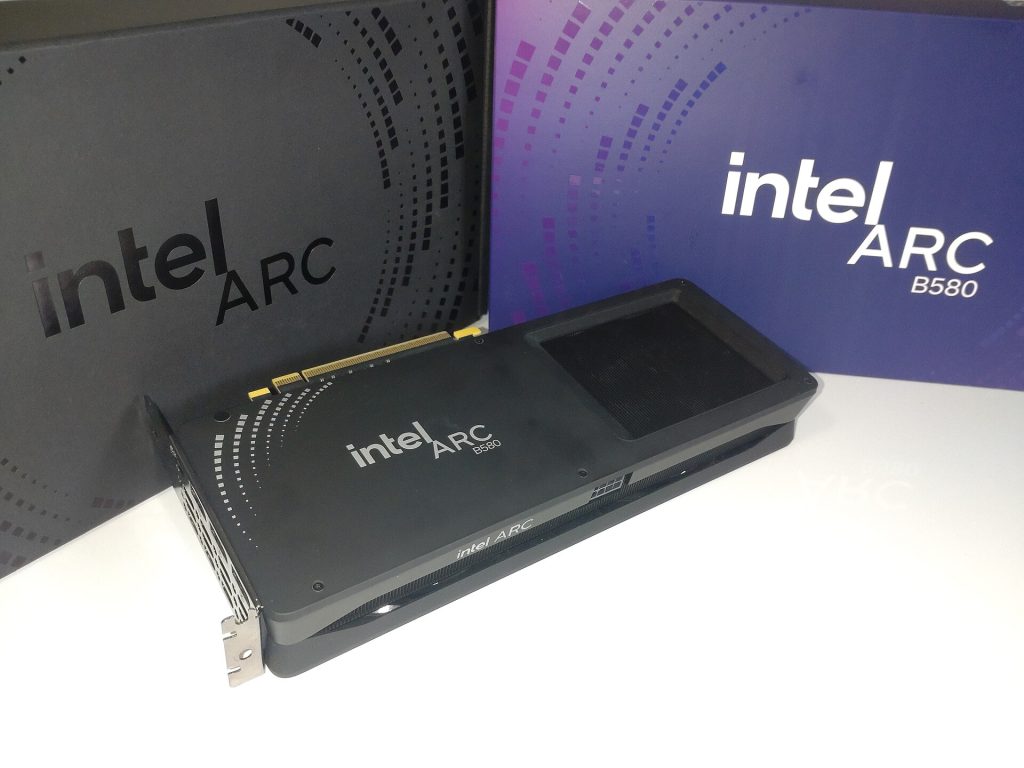
The latest version introduces significant hardware compatibility improvements. A key addition is native support for Intel Arc graphics cards. This update allows the system to map more than 4GB of video RAM, addressing limitations in previous versions. The expanded virtual address space ensures better performance with modern graphics hardware.
Virtualization capabilities have also been enhanced. OpenBSD 8.0 now supports up to 64-vCPU guests. This change allows virtual machines to utilize more processing power, improving performance for workloads that require higher computational resources. Additionally, the release adds hibernation support for ARM64 architectures, expanding the range of devices that can use this power-saving feature.
Security Record and Architecture Changes
The project continues to emphasize its long-standing security focus. Theo de Raadt, the founder of OpenBSD, highlighted the operating system’s security history in a post to the project’s announcements mailing list. He noted that the project remains proud of its record of more than thirty years with only two remote holes in the default install.
This release also marks the end of support for the Loongson architecture. The port was retired because it stopped working with the Clang 22 compiler. Users relying on Loongson hardware will need to seek alternative solutions or maintain older versions of the operating system.
The OpenBSD 8.0 release includes a wide range of improvements across the system. These changes are designed to improve compatibility with modern hardware while maintaining the strict security standards the project is known for. The full list of changes is available in the official release announcement.
Source: Ars Technica
