


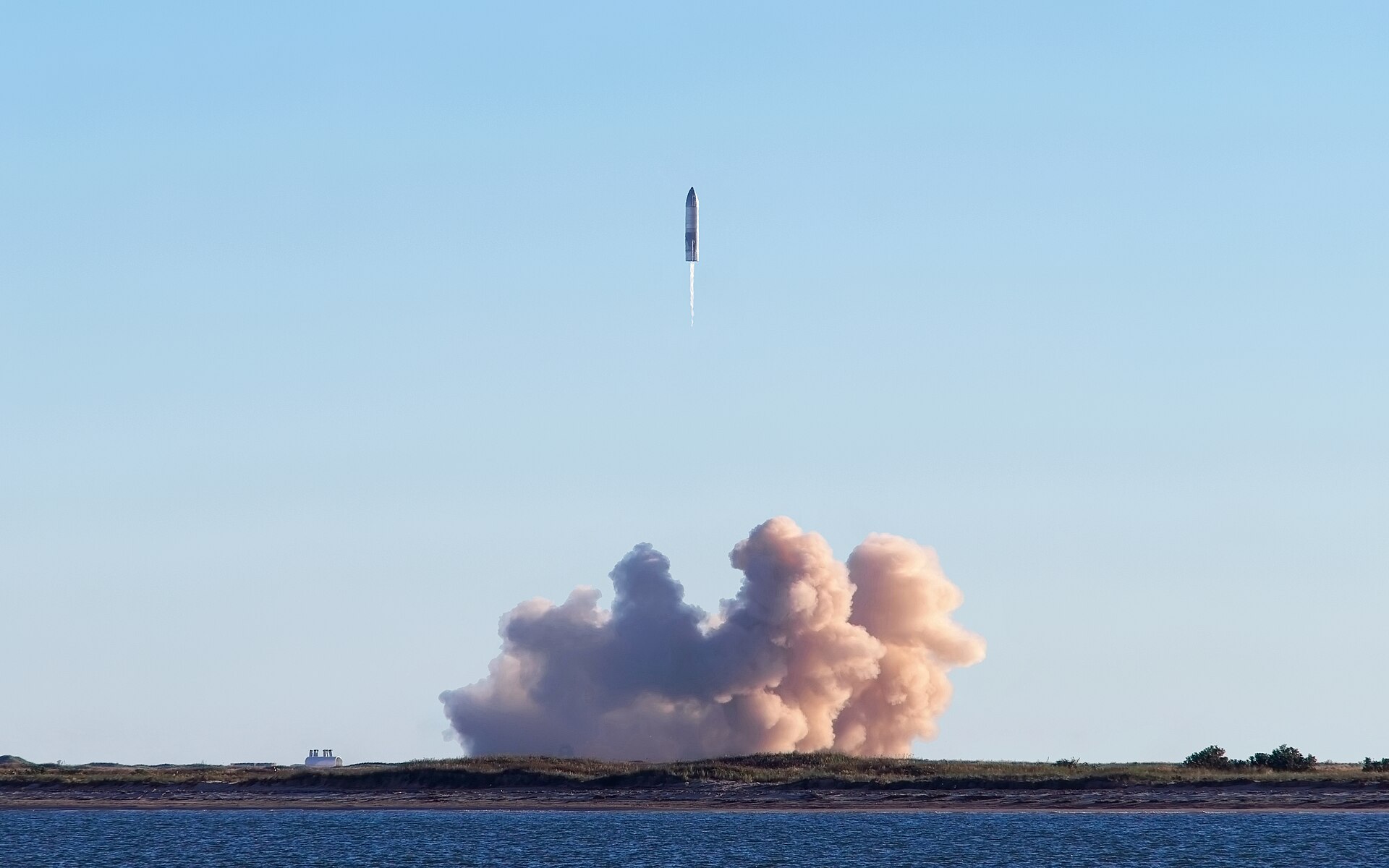
SpaceX is preparing for a significant milestone in its Starship program with the upcoming 15th test flight. Elon Musk announced during the company’s recent earnings call that the company plans to attempt to catch both the Super Heavy booster and the upper stage, known as the Ship, for the first time ever.
Flight 15 Capture Strategy
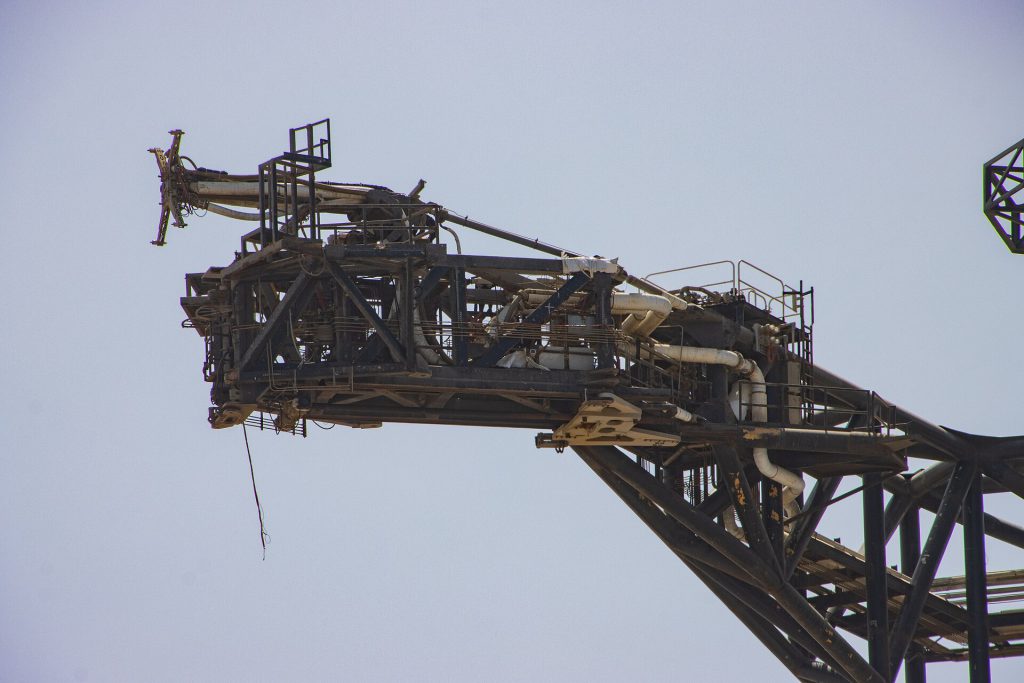
The announcement was made during a livestreamed earnings call on X. Musk revealed that the company intends to retrieve both stages using the “chopstick” arms of its launch tower. These mechanical arms have been used in previous tests to catch the Super Heavy booster, but capturing the upper stage presents a new challenge.
During the call, SpaceX shared a short video simulation demonstrating how it plans to safely retrieve the Ship as it returns to Earth. The simulation shows the vehicle being caught mid-air by the tower arms, a method that would allow for rapid reuse of the entire vehicle.
While the exact date of Flight 15 has not been confirmed, Musk indicated that the test could take place as soon as next month. If successful, this would mark a major step toward SpaceX’s goal of developing a fully and rapidly reusable orbital launch vehicle.
Challenges of Catching the Upper Stage
Capturing the Starship upper stage is more difficult than catching the booster because the Ship travels higher, farther, and faster. For context, during the previous test flight, Flight 14, the Ship was designed to spend 10 hours in orbit circling the Earth. Although the mission was cut short due to an engine malfunction, the vehicle still took hours to return to Earth.
In contrast, the Super Heavy booster returns just a few minutes after launch. The difference in speed and trajectory makes catching the upper stage a unique engineering hurdle. SpaceX has not yet attempted to capture the Ship, making Flight 15 a critical test of the company’s recovery capabilities.
The ultimate objective of these tests is to create a vehicle capable of carrying crew and cargo to the moon and Mars. Catching both stages would significantly reduce the time needed to prepare the vehicle for its next mission, advancing the company’s deep space exploration goals.
During Flight 14, both stages splashed into the ocean. The transition to catching the Ship in the air represents a shift from recovery by sea to recovery by the launch tower, a key requirement for the rapid reuse strategy Musk has outlined for future missions.
Source: Engadget
