


After months of scrolling through aspirational holiday photos on social media, a traveler decided to remove the algorithm from the equation. The result was a trip to the Cévennes mountains in south-central France, a region defined by its silence, ancient farming practices, and a lack of digital connectivity.
Choosing Saint-Hilaire-de-Lavit by Chance
The journey began with a deliberate rejection of data-driven planning. The traveler, who works in a field reliant on optimization and search metrics, felt that the constant stream of curated recommendations had stripped the adventure out of personal travel. Instead of consulting review sites or booking platforms, they opened a map of western Europe and closed their eyes.
The finger landed on the commune of Saint-Hilaire-de-Lavit. It was a location the traveler had never heard of and likely would never have found through a standard search query. From Paris, they took a fast train to Montpellier, rented a car, and stocked up on groceries at a Lidl, anticipating a lack of local shops. The drive inland saw the roads narrow and the population thin out as they climbed into the Massif Central.
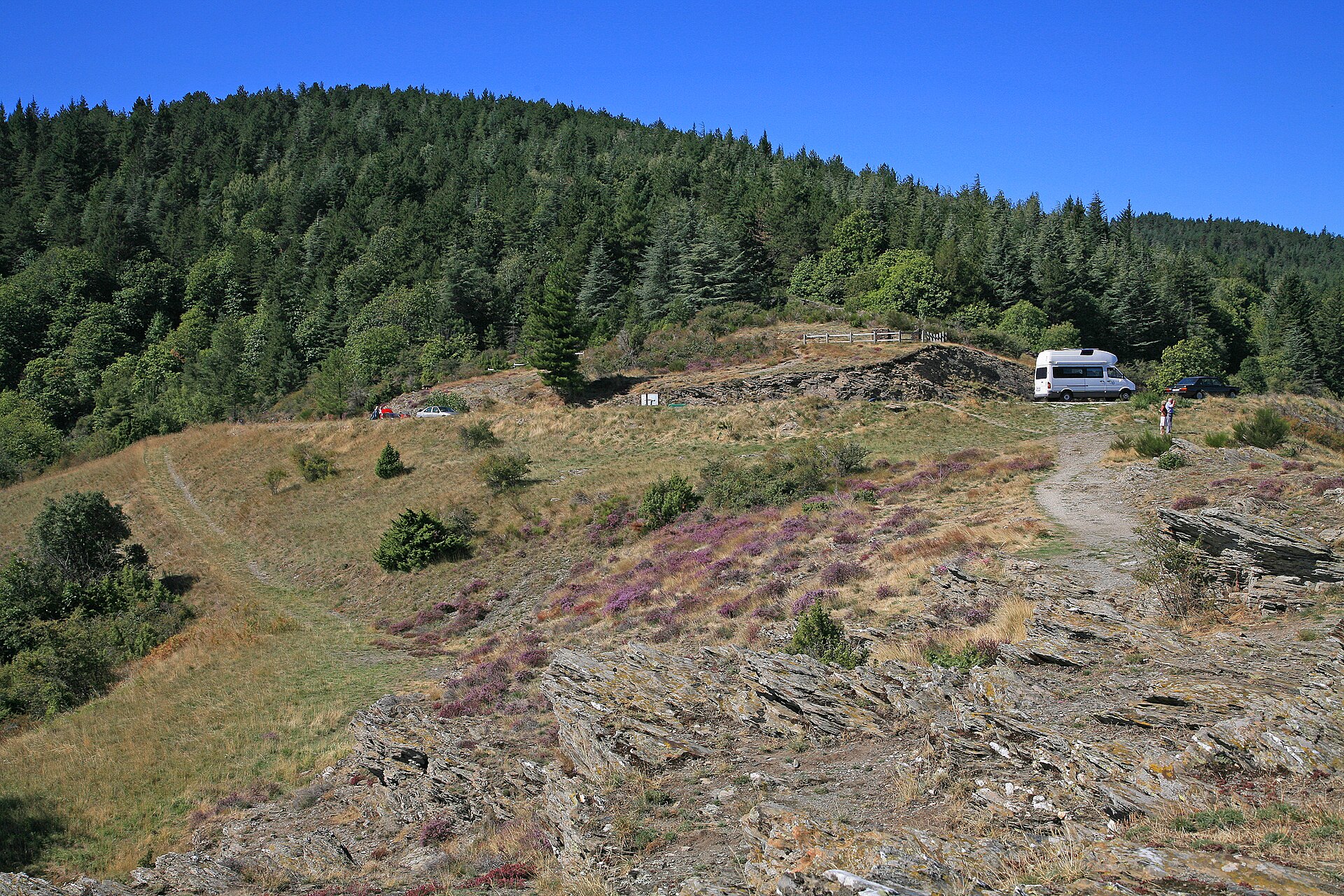
Without mobile signal for Google Maps, navigation relied on printed directions from the cottage owner. The final stretch led to a grassy layby on a high mountain pass. The first impression was not of isolation, but of stillness. The only sounds were the buzz of large insects and the distant hum of cicadas.
Life in the Hamlet of Les Ayres
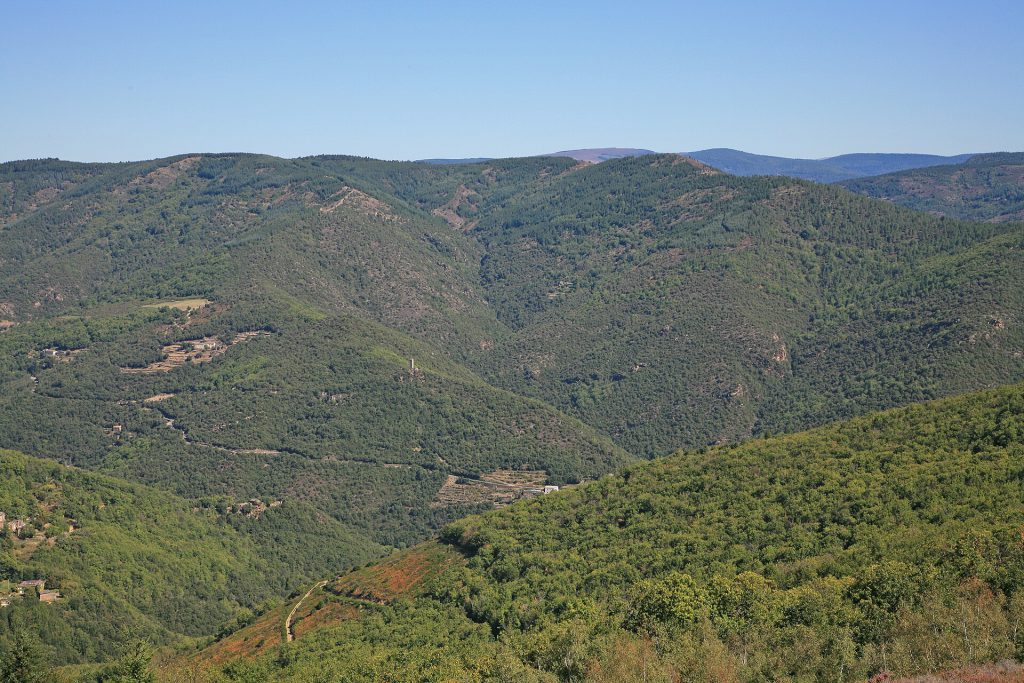
The destination was Les Ayres, a cluster of approximately ten stone buildings situated 800 meters above sea level. The dwellings huddled along a narrow road, taking advantage of the limited flat ground before the terrain dropped into steep forest. A host named Guilaine greeted the visitors, showing them to a cottage with a veranda overlooking chestnut and pine-covered mountains.
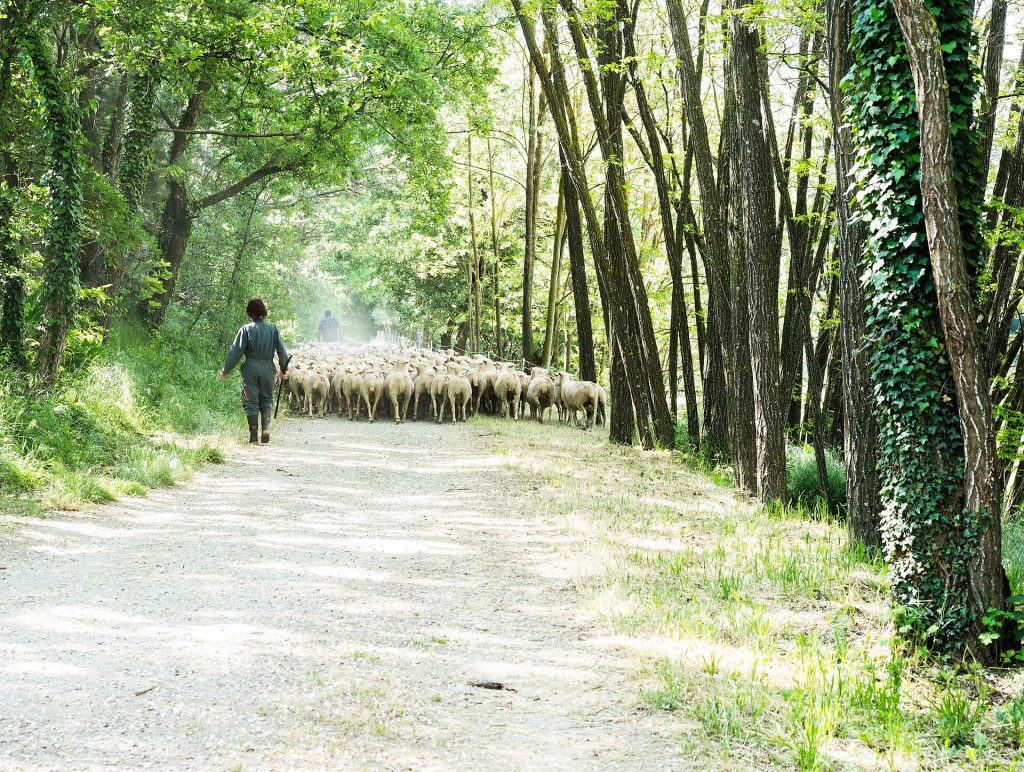
The landscape, while appearing wild, is the product of thousands of years of human activity, including farming, forestry, and the seasonal movement of livestock. This history was immediately visible. A flock of sheep, driven by three generations of herders and their dogs, moved through the hamlet, their bells ringing in a cacophony that eventually faded into the background noise of the mountain.
The following days were spent exploring the area without the aid of digital guides. The travelers followed ancient tracks known as drailles, which were originally used for moving livestock. These paths led to secluded river pools carved into the rock by clear mountain streams. The water was freezing, but the spots offered a chance to swim and observe local wildlife, including tadpoles, fish, and various insects.
The experience stood in stark contrast to the typical tourist experience in France. There were no crowds, no traffic, and no reviews to consult. The only other human contact came from Guilaine and the shepherds. Evenings were marked by the sound of a brass band practicing in the distance, the calls of owls, and the screech of a wild boar. The traveler noted that none of these elements could have been predicted by an algorithm or found in a listicle.
The trip concluded with a realization that the lack of phone usage was the true discovery. By removing the constant pull of digital validation and recommendation engines, the travelers found a sense of place that felt ancient and untouched. The Cévennes mountains offered a retreat where the only metrics that mattered were the quality of the air and the silence of the night.
Source: The Guardian
