


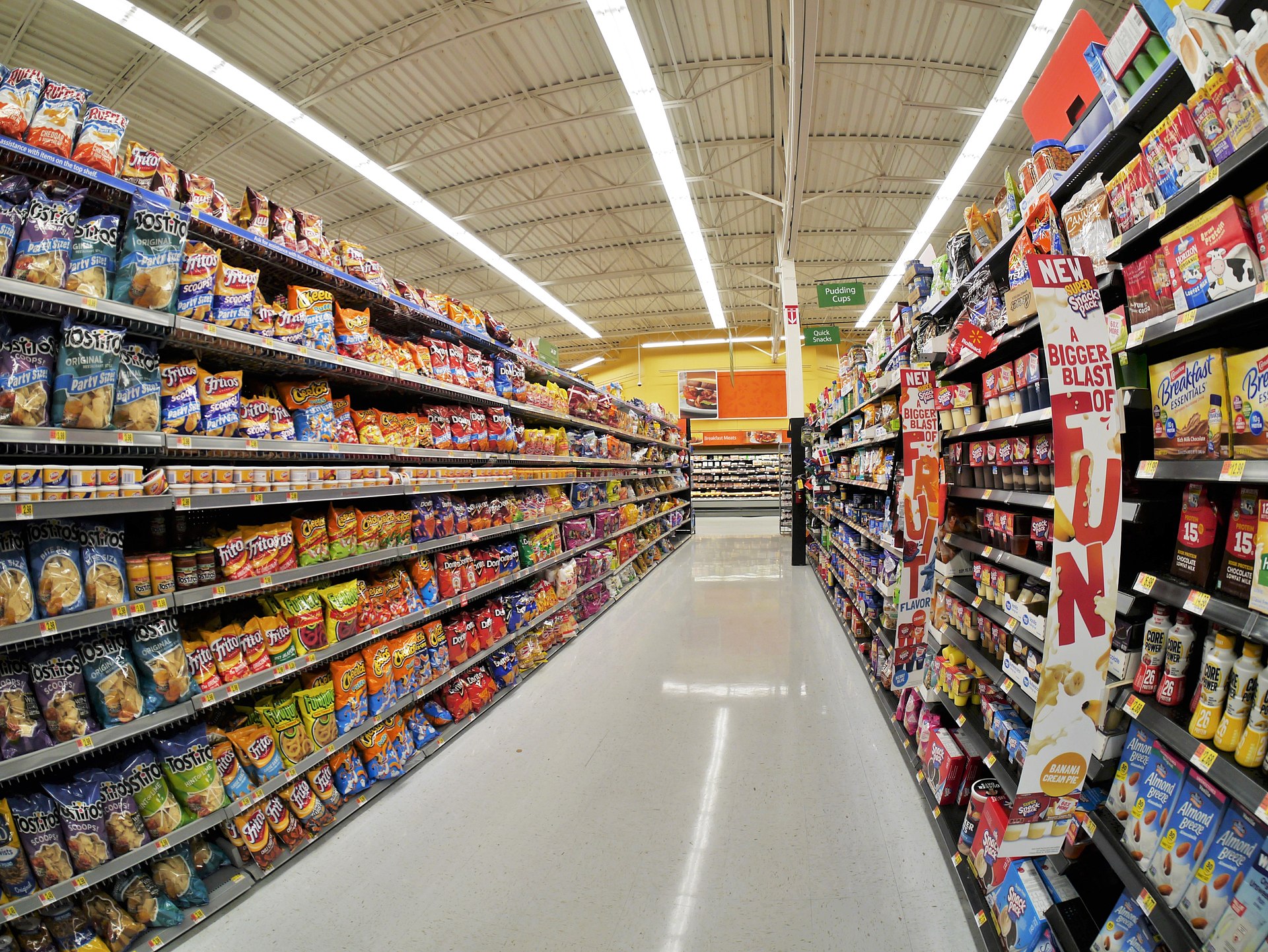
A large-scale study involving more than 460,000 Americans challenges the broad assumption that ultra-processed foods uniformly increase the risk of colorectal cancer. Published October 15 in the open-access journal PLOS Medicine, the research led by Erikka Loftfield of the National Cancer Institute reveals that the health impact of these products depends heavily on their specific nutritional content rather than their processing level alone.
NIH-AARP Study Results
Ultra-processed foods account for more than half of the calories consumed by American adults. This category has faced increasing scrutiny due to potential connections to chronic diseases, including colorectal cancer. However, the group includes a diverse range of items, making it difficult to judge their health effects as a single entity.
Researchers examined health and dietary records from 461,682 participants in the NIH-AARP Diet and Health Study. These individuals were between 50 and 71 years old when they joined the study in 1995 and 1996. At the start, participants completed questionnaires detailing their food consumption frequency. The team used these responses to estimate each person’s intake of ultra-processed foods.
Participants were tracked through 2018, with a median follow-up period of 18.8 years. The results showed no overall association between total ultra-processed food consumption and colorectal cancer incidence. Participants who consumed more of these foods did not, as a group, experience higher rates of the disease.
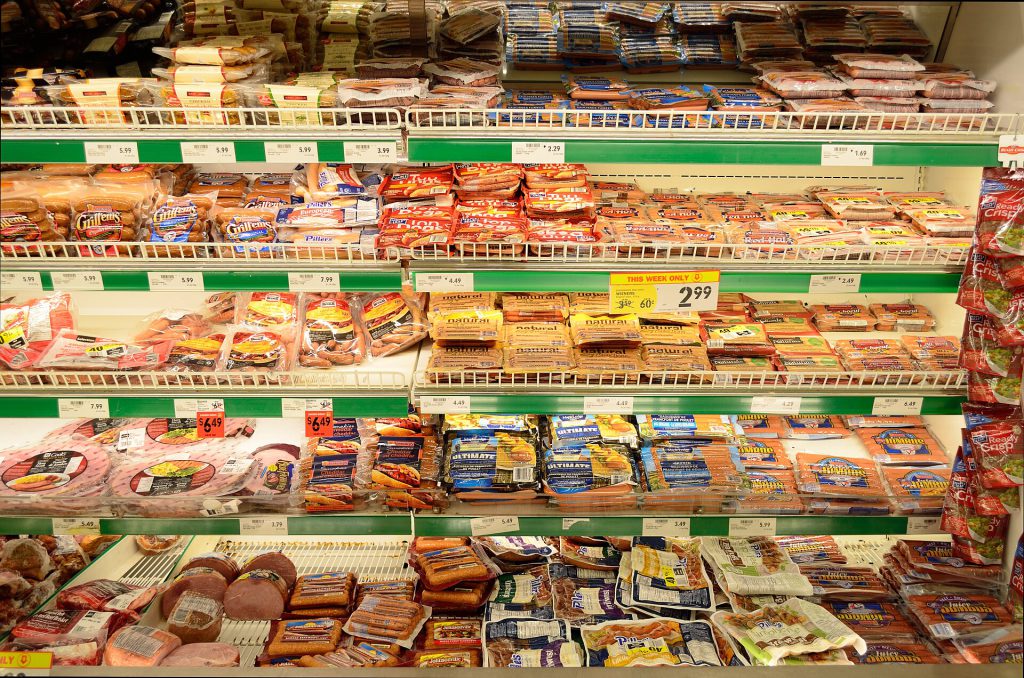
However, a closer look at individual food categories revealed a more complex picture. Higher consumption of whole grains, fiber, dairy products, and calcium from ultra-processed sources was associated with a lower incidence of colorectal cancer. In contrast, meat from ultra-processed sources showed the opposite pattern, with greater consumption linked to higher cancer incidence.
Nutritional Content Over Processing Labels
The analysis also explored the potential benefits of dietary substitution. The team found that replacing 10% of ultra-processed food intake by weight with minimally processed foods was associated with a 2% lower incidence of colorectal cancer. These findings suggest that nutritional characteristics of individual foods may be more informative than simply classifying everything as ultra-processed.
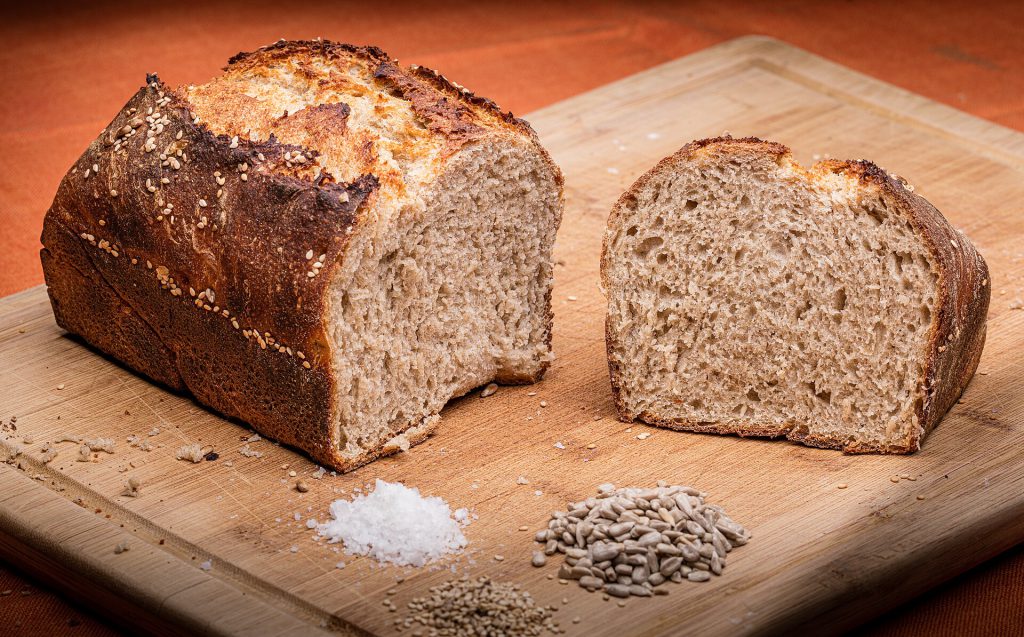
The results align with existing dietary recommendations for colorectal cancer prevention. Current guidance encourages eating whole grains, fiber, dairy products, and calcium-rich foods while limiting processed meat. Rather than treating all ultra-processed foods as equally harmful, the findings support evaluating foods according to their nutritional content and specific health associations.
Loftfield and her team noted that the label “ultra-processed” may not tell the whole story. When it comes to colorectal cancer, the kinds of foods people eat appear to matter more than their processing category alone.
“In this large population of older US adults, we did not observe an association between total ultra-processed food intake and colorectal cancer incidence,” Loftfield stated. “However, when we looked at food groups, like whole grains, dairy, and meat, by ultra-processed or non-ultra-processed source, we found that associations were in line with current dietary guidance for colorectal cancer prevention such that higher whole grain and dairy but lower meat intakes were associated with lower colorectal cancer incidence.”
The study was funded by the Intramural Research Program of the National Cancer Institute. Authors LA, CPO, HGH, LML, SZ, RS, and EL are current or former employees of the National Cancer Institute’s Intramural Research Program. The funding organization did not participate in designing the study, collecting or analyzing data, deciding whether to publish the findings, or preparing the manuscript.
Source: ScienceDaily
